
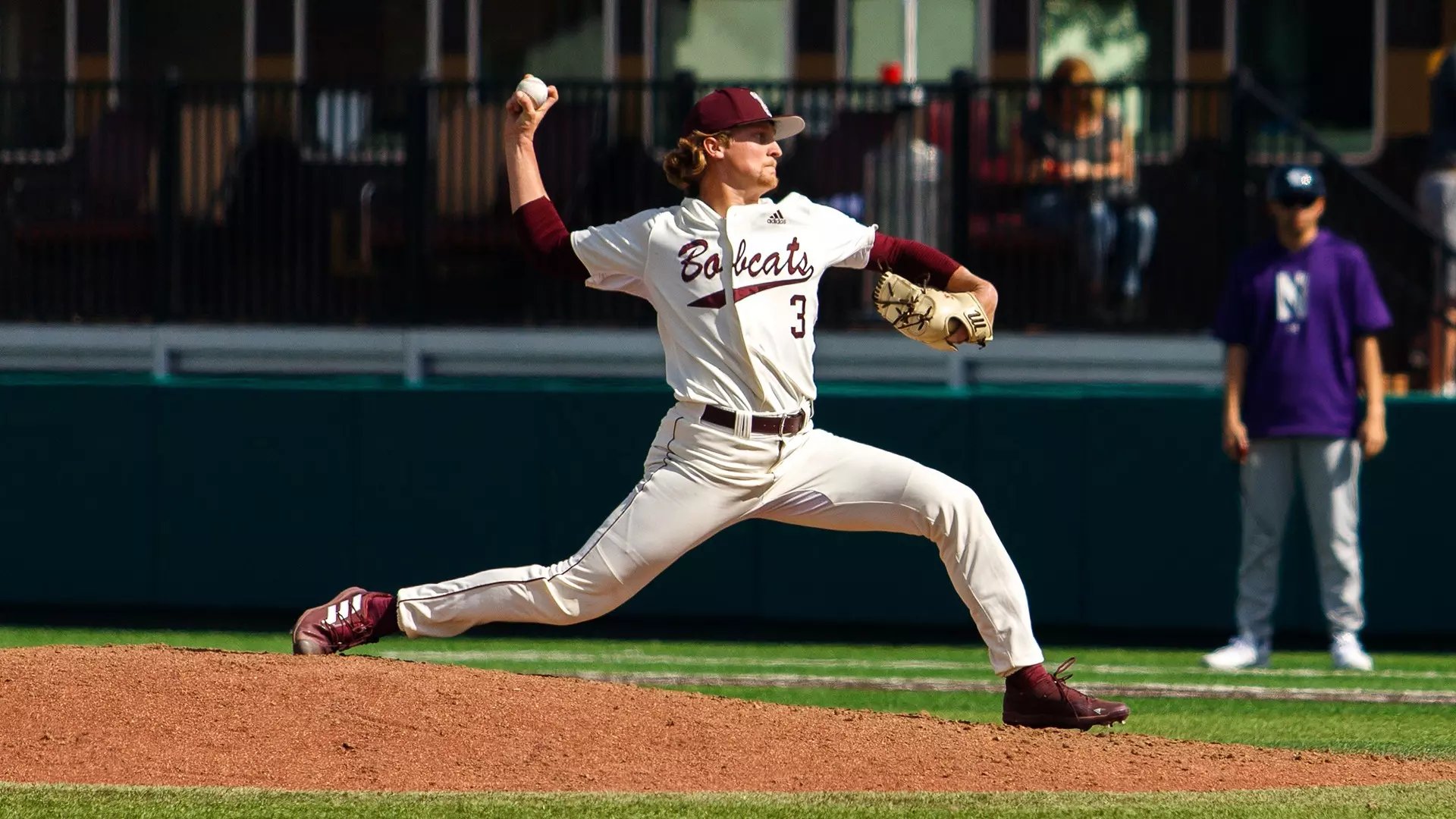
No, a starting pitcher cannot pitch back to back games; it’s not physically possible or strategically sound in professional baseball.
The question of whether a starting pitcher can pitch back to back games often surfaces among baseball fans. It’s understandable to wonder about the limits of these athletes, especially during crucial moments of a season. But the reality is that the demands of the role make it almost impossible. The physical exertion and need for recovery make the idea of a pitcher starting in consecutive games extremely unlikely. This practice could lead to serious injury.

Can a Starting Pitcher Pitch Back to Back Games?
The idea of a starting pitcher taking the mound in consecutive games is definitely something that sparks a lot of discussion in baseball. It seems like something straight out of a movie, but in today’s professional game, it’s practically unheard of. Why is that? Well, it all boils down to the intense physical demands placed on a pitcher’s arm and body, and the strategic approach teams take to optimize their chances of winning. Let’s dive into the various reasons why back-to-back starts are so rare and what it would actually mean for a pitcher’s health and performance.
The Rigors of a Starting Pitcher’s Role
Before we really get into the “back-to-back” idea, it’s vital to really understand just what a starting pitcher goes through in a single game. They are not just throwing a ball; they are athletes going through a very specific and intensive physical process. Here’s a breakdown of what their job entails:
- High Intensity Output: A starting pitcher throws the baseball with maximum effort on every pitch. Think about it: they need to generate velocity, spin, and movement. This is not just about throwing hard; it’s about controlling their body to execute each pitch with accuracy and purpose. This puts immense stress on their arm, shoulder, and core muscles.
- Number of Pitches: Starting pitchers often throw between 80 to 120 pitches in a single game. Sometimes more, sometimes less, but that is roughly the average. These aren’t just easy throws. Every single pitch requires a lot of effort. This consistent, high-stress motion takes a lot out of their bodies.
- Mental Focus: Beyond the physical, there’s a huge mental component. Pitchers must constantly analyze batters, adjust their strategy, and maintain their focus for several hours. This mental game can also drain a pitcher’s energy and contribute to fatigue.
- Recovery Time: After pitching, the body needs time to recover. Muscles need to heal, inflammation needs to go down, and energy levels need to replenish. It’s not just about physical recovery; mental recovery is also key to a starting pitcher’s performance.
Why Back-to-Back Starts Are a No-Go in Modern Baseball
Given what we know about the demands on a starting pitcher, it becomes clearer why back-to-back starts are just not part of the game plan these days. There are several big reasons why this is the case:
The Arm is a Delicate Instrument
The human arm is amazing, but it’s not designed to endure the repeated, high-stress motions required for pitching on a back-to-back basis. The shoulder and elbow joints, in particular, are vulnerable. Here’s how back-to-back games would impact this:
- Risk of Injury: Pitching back-to-back would dramatically increase the risk of serious injuries, like torn rotator cuffs, ulnar collateral ligament (UCL) tears (which can lead to Tommy John surgery), and other muscle and tendon issues. These aren’t just minor bumps and bruises; they are career-altering injuries.
- Reduced Velocity and Control: Even without a major injury, pitching on consecutive days would almost certainly lead to a drop in pitching velocity and reduced control. Fatigue sets in, muscles don’t respond as quickly or effectively, and the accuracy will be affected. This means the pitcher’s pitches are not as sharp or effective, which is not good for the team.
- Long-term Damage: The damage might not be noticeable right away, but the repeated stress could lead to chronic, long-term problems. This would limit a pitcher’s career length and overall effectiveness.
The Need for Rest and Recovery
Just like any athlete, pitchers need adequate rest and recovery to perform at their best. They need time to repair damaged tissues, reduce inflammation, and replenish their energy stores. This is not just about feeling better; it’s about being able to perform at an optimum level. Here’s why rest is so important:
- Muscle Repair: During pitching, muscles experience tiny tears. Rest is when these tears heal. Without adequate recovery time, these tears can accumulate and lead to bigger problems.
- Reduced Inflammation: The act of pitching causes inflammation in the arm. Rest allows the inflammation to subside, reducing the chance of pain and injury.
- Glycogen Replenishment: Pitching uses a lot of energy. Rest allows the body to replenish its glycogen stores, which are necessary for performance.
- Mental Rejuvenation: Time away from the game allows the pitcher to relax and refocus. It’s not just physical; it’s also important to be mentally sharp to pitch effectively.
The Strategic Use of Pitching Staff
Modern baseball is all about strategy and maximizing your strengths. Here’s how this relates to starting pitchers not pitching back-to-back:
- Rotation System: Teams use a rotation system, where they have multiple starting pitchers who take the mound in an order. This allows each pitcher to have several days of rest in between starts. This is a strategic method to keep all pitchers healthy and effective during the season.
- Bullpen Support: Relievers, who make up the bullpen, are specifically used to throw shorter stints and provide a break for the starting pitcher. This ensures that no single pitcher is overworked. Each reliever has a specific role, from pitching in the middle innings to closing out the game.
- Matchups and Strategy: Teams utilize the whole pitching staff to play matchups to their advantage. They will use different pitchers based on the opposing hitters. This is a strategy that would be difficult to implement if starters threw on back-to-back days.
Historical Examples: A Glimpse Into the Past
While it’s rare nowadays, back-to-back starts weren’t entirely unheard of in baseball history. In the early days, when knowledge of sports science and pitcher health was limited, some pitchers did occasionally take the mound on consecutive days. These are the instances we should look at to see what can happen when a pitcher throws on back to back days:
Early Baseball and Iron Man Pitchers
In the earlier years of baseball, such as the late 1800s and early 1900s, it was not uncommon for pitchers to throw frequently. These were the times of the “Iron Man” pitchers, who pitched almost every game. Here’s what that was like:
- Less Emphasis on Rest: Back then, there was less awareness of the need for rest and recovery. Pitchers were often expected to pitch as often as possible. The medical knowledge was not as advanced as it is today.
- Fewer Substitutions: Managers didn’t always have the options that modern teams do with a bullpen. So, if your starter was healthy and could throw, he threw. Bullpen depth was not as important as in the modern era.
- Different Pitching Styles: Pitching styles were different in that era, which might have been less demanding. They didn’t focus on pure velocity as much as pitchers today. They also didn’t rely on breaking pitches as much, which put less stress on their elbows.
Consequences of Frequent Pitching
While there were “Iron Man” pitchers in those times, they paid a price. They may not have been able to tell you that at the time, but we see the effects now:
- Shorter Careers: Many pitchers had significantly shorter careers due to the stress of overuse. Some pitched through pain and injuries, which shortened the time they were able to play baseball.
- Arm Injuries: Even without the modern term, these pitchers certainly suffered a lot of arm injuries. They did not have access to modern medicine, and many of these injuries would go untreated.
- Reduced Effectiveness: Pitching while tired led to reduced effectiveness. This was difficult for those pitchers because they were still expected to pitch, even when their performance was dropping.
The Exception to the Rule: Extreme Circumstances
Though it’s virtually impossible in modern professional baseball to see a starting pitcher pitching back-to-back games, there could be an extreme, once-in-a-blue-moon kind of exception. Here are a few examples of when we might see a starting pitcher pitch back-to-back games:
Emergency Situations
While rare, sometimes, a team might face an unusual situation that forces them to use a pitcher in back-to-back games. An example might be:
- Injuries: If a lot of pitchers get injured at the same time or during a doubleheader, a team might have to utilize a starting pitcher in a second game.
- Weather Issues: If games are postponed and rescheduled, a team might have to push their pitching rotation. In an extremely odd situation, this could lead to back-to-back appearances.
- Extra-Inning Marathons: If one game went on for an insane amount of extra innings, a team may need to exhaust their bullpen. This might lead a pitcher to start the next day.
Short-Season Leagues
In very low-level minor leagues, or leagues that have a condensed schedule, it might be more conceivable for a pitcher to throw back-to-back. This would be an extremely rare occurrence even in these leagues, but we should acknowledge the possibility. This would not happen in professional baseball, it would happen in leagues with limited pitching options or resources. Even in these cases, it would be considered a big risk to the player.
The Evolution of Pitching Strategy
The shift away from back-to-back starts reflects a greater understanding of the science of pitching and player care. Here’s a little bit about that:
Advancements in Sports Science
Sports science has really changed the way we think about baseball. Here’s how:
- Biomechanics: Studies of biomechanics have shown exactly how the body moves while throwing a baseball. This allows teams to understand the stresses placed on each joint.
- Recovery Techniques: There is now a better understanding of how rest and recovery methods affect a player’s performance. This includes nutrition, sleep, and various therapy techniques.
- Data Analytics: Teams use data to track every aspect of a pitcher’s performance. This allows them to identify potential fatigue before it leads to an injury. They will track the number of pitches and the spin rate, as well as arm angles and velocity.
Emphasis on Long-Term Player Health
Modern teams prioritize the long-term health and career of their players. That’s why back-to-back starts are avoided at all costs, even when it might be advantageous in a single game. Long-term health and career longevity are vital, so no manager would risk that for the sake of a single game.
The Future of Pitching
The focus on player health, in addition to strategy, is expected to continue. It’s possible that technology and medical advances will allow for even more efficient training methods, but it’s highly doubtful that this will ever make back-to-back starting pitching a viable option. Player care will likely be the main focus of baseball going forward.
In short, while the idea of a starting pitcher pitching back-to-back games might seem appealing to someone not familiar with baseball strategy, it is just not feasible given the physical and strategic demands of the game. The modern game prioritizes player health and well-being along with proper strategy, which makes the idea of a starting pitcher pitching on back-to-back days a thing of the past.
Baseball: What is a Starting Pitcher?
Final Thoughts
No, a starting pitcher cannot pitch back-to-back games. The physical strain is simply too much, risking injury and decreased performance. They require multiple days of rest for recovery.
Pitching in consecutive games is unheard of due to the demands it places on the arm. Such a move would not be beneficial for the team or the player’s health. Ultimately, the answer to ‘can a starting pitcher pitch back to back games’ is a clear no.

