
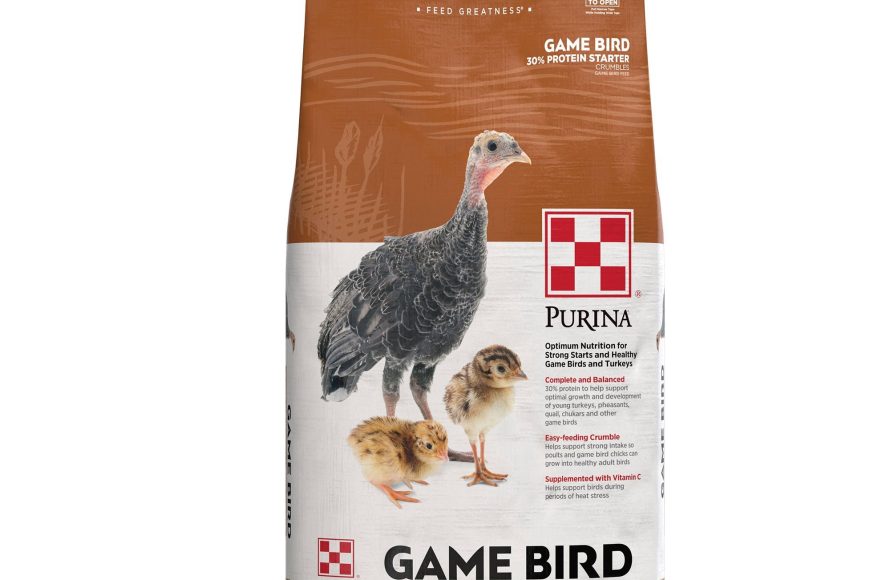
Yes, chickens can eat game bird feed, but it’s not ideal for their long-term health due to the higher protein content.
So, you’re wondering if you can give your flock some game bird feed? Maybe you have some leftover, or perhaps it’s more readily available in your area. Many people ponder if can chickens eat game bird feed safely, and it’s a valid question.
Game bird feed often contains higher protein levels that are designed for rapid growth in game birds. This can put unnecessary strain on chickens’ kidneys and may lead to other health issues if fed consistently. While a small amount may not cause immediate harm, it’s best to stick with feed specifically formulated for chickens.

Can Chickens Eat Game Bird Feed?
The question of whether chickens can eat game bird feed is a common one among poultry keepers. You might have some game bird feed left over, or it may be more readily available or cheaper than regular chicken feed. Understanding the differences in nutritional needs between chickens and game birds is important before making a decision. Let’s explore what game bird feed is, how it differs from chicken feed, and if it’s suitable for your flock.
Understanding Game Bird Feed
Game bird feed is specially formulated for birds raised for hunting, such as pheasants, quail, and partridges. These birds have specific dietary needs, particularly during their rapid growth phase and before their release into the wild. Game bird feed typically has:
- Higher Protein Content: Game birds need more protein for muscle development and feather growth.
- Higher Fat Content: Fat provides the energy they require for flying and foraging.
- Specific Amino Acid Profiles: Game bird feed contains essential amino acids in proportions that support their specific growth and development needs.
- Often Contains Medications: Some game bird feeds include medications to prevent diseases commonly found in game bird populations.
These characteristics are very different from what chickens require. Let’s dive into that further.
Nutritional Needs of Chickens
Chickens, whether for eggs or meat, have their own distinct set of nutritional requirements. A well-balanced diet is essential for their overall health, egg production, and growth. Here are some key components of their diet:
Protein
Chickens need protein for muscle development, feather growth, and egg production. The amount of protein needed varies depending on their age and purpose (laying eggs versus growing for meat). However, the protein requirements for chickens are usually less than those for game birds.
Carbohydrates
Carbohydrates provide chickens with energy. They obtain these from grains like corn, wheat, and barley in their feed.
Fats
Fats are also a source of energy and help with the absorption of certain vitamins. Chickens don’t need as much fat as game birds, though. An excessive amount of fat can lead to overweight birds, impacting their egg-laying ability.
Vitamins and Minerals
Chickens need a proper balance of vitamins and minerals such as calcium, phosphorus, and vitamin D3. Calcium is particularly important for laying hens as it is vital for strong eggshells. A balanced chicken feed should also provide these in the right amount.
Fiber
A moderate amount of fiber is important for chickens’ digestive health. They get some fiber from grains and other components in their feed, but they don’t need a very high fiber diet.
Key Differences Between Chicken Feed and Game Bird Feed
The differences between chicken feed and game bird feed can be easily identified by looking at their specific nutrient profiles. To better illustrate, let’s compare them side-by-side.
| Nutrient | Chicken Feed | Game Bird Feed |
|---|---|---|
| Protein Content | 16-20% (varies based on age and purpose) | 20-30% (higher for rapid growth) |
| Fat Content | 2-5% | 6-10% (higher for energy) |
| Calcium | 3-4% (for laying hens) | Generally lower than laying hen feed |
| Medications | Often medication-free, but some may contain coccidiostats | Frequently contains medications to prevent diseases |
| Fiber Content | Moderate | Moderate |
The table above shows that game bird feed is higher in protein and fat compared to chicken feed. It also might contain medications that are unnecessary or even harmful for chickens.
Potential Issues with Feeding Chickens Game Bird Feed
Although the higher protein and fat levels in game bird feed might seem appealing on the surface, they can create some issues if fed regularly to chickens. Here’s a more detailed look at potential problems.
Excess Protein
Excess protein is not beneficial for chickens. While some protein is essential for development and egg production, too much can be damaging. Chickens, unlike game birds, can’t effectively process an extremely high-protein diet. This can lead to:
- Kidney Problems: Processing excess protein can put stress on the kidneys.
- Gout: High protein intake can increase the risk of developing gout, a painful condition.
- Increased Water Intake: Excess protein can cause chickens to drink more water, which leads to wetter droppings.
Excess Fat
The higher fat content in game bird feed, while beneficial for game birds needing extra energy, can be detrimental to chickens. Consuming too much fat can lead to:
- Obesity: Chickens can become overweight, which can reduce egg production and lead to health issues.
- Fatty Liver Disease: An excess of fat can accumulate in the liver, leading to this condition, which reduces organ function and can lead to mortality.
Medications
Game bird feed often contains medications to prevent diseases that are common among game birds, such as coccidiosis. While these medications can be helpful for game birds, they might not be necessary or even safe for chickens. Also:
- Antibiotic Resistance: Repeated exposure to unnecessary antibiotics can contribute to antibiotic resistance in chickens.
- Drug Residues in Eggs: Medications in feed can sometimes leave residues in eggs, which may not be desirable for human consumption.
Nutrient Imbalance
The specific balance of vitamins and minerals in game bird feed is not always ideal for chickens. Chickens need a diet formulated to their specific needs. For example, laying hens require more calcium than what is provided in game bird feed. This can result in:
- Eggshell Problems: Insufficient calcium can lead to thin or weak eggshells.
- Growth Problems: Imbalances in other nutrients can affect the overall health and development of chickens.
When it Might be Okay to Feed Game Bird Feed to Chickens
While generally not recommended, there might be specific circumstances where a small amount of game bird feed can be used for chickens. However, it should always be with caution and only as an occasional supplement and not the main source of food. Here are some scenarios:
Occasional Treat
A very small amount of game bird feed can be given as an occasional treat. Think of it like giving a piece of fruit to a child – a little bit is okay, but not every day. Ensure that it makes up a very small percentage of their overall diet.
Short-Term Feeding
If you run out of chicken feed and have some game bird feed on hand, you can use it for a short period (a day or two) until you can restock. This is better than starving your chickens. However, this is not a long term solution at all.
Mixing with Chicken Feed
If you need to use game bird feed, you can try mixing it with chicken feed. Start with a very small ratio (e.g., 10% game bird feed and 90% chicken feed) and gradually increase it up to a maximum of 20% while closely monitoring your chickens. However, avoid doing this regularly and prefer to use only the right chicken feed to avoid any possible nutrient imbalance.
Specific Chickens
There might be certain situations where a chicken, maybe a sick one or an underweight one needs an extra boost of protein, so in these rare cases you can feed a little bit of the game bird feed but under your observation. Never make this a common practice.
Safe Feeding Practices
Even if you choose to use game bird feed sparingly, it’s important to do so safely. Consider the following tips to avoid potential health risks for your chickens:
Monitor Your Chickens
Keep a close eye on your chickens when introducing new feed, even in small quantities. Watch for signs of digestive issues, lethargy, or changes in egg production. If you notice any issues, stop using the game bird feed immediately.
Observe Droppings
Changes in droppings are often an indicator of dietary problems. Increased water content or an unusual color may signal an issue with the feed.
Provide Plenty of Water
Make sure that your chickens always have access to clean, fresh water. Especially when feeding even a small amount of game bird feed, as it can cause increased water intake due to the higher protein levels.
Adjust to Age and Breed
If you occasionally give game bird feed, remember that different age groups and breeds of chickens have slightly different needs. For example, young chicks should not be given game bird feed.
Consult an Expert
When in doubt, it is good to consult with a veterinarian or poultry specialist. They can provide specific advice on the best way to feed your chickens.
In summary, while it’s possible for chickens to eat game bird feed in very small quantities and as a rare treat, it’s not recommended for regular use. The higher protein and fat content, as well as medications in game bird feed, can cause health issues in chickens. It is best to stick to a good quality chicken feed that is specifically designed to meet their dietary requirements.
No more #TractorSupply #ProducersPride feed. Our mix. TMC GAME BIRD + sweet cob + cracked corn.
Final Thoughts
Essentially, chickens can eat game bird feed. However, it’s not ideal as a primary diet. Game bird feed has higher protein levels, which is not necessary for laying hens.
This extra protein can cause health issues, like kidney problems. Offering it occasionally as a treat is fine. ‘can chickens eat game bird feed’ – yes, but with caution, prioritize chicken-specific feed.

