
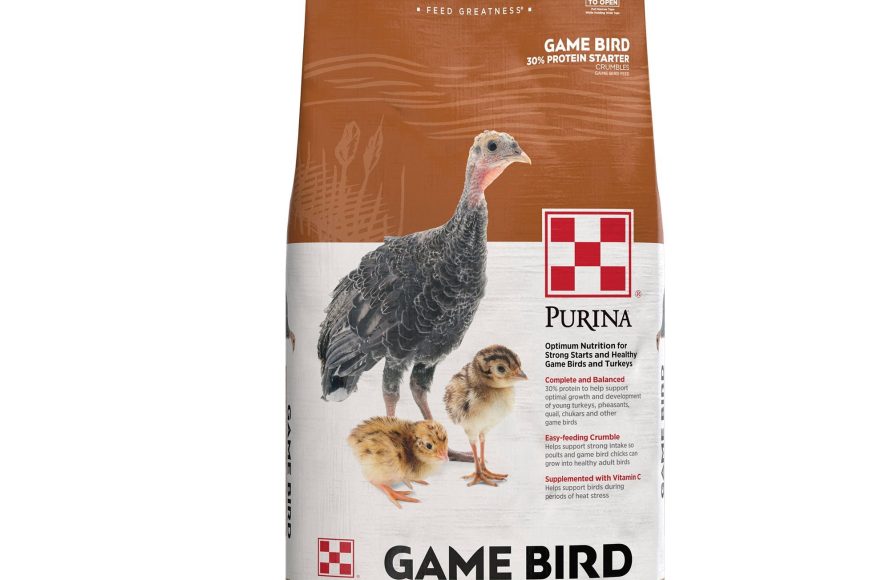
Yes, chickens can eat game bird starter, though it’s not ideal long-term due to the higher protein content which isn’t necessary for mature laying hens.
Have you ever wondered if different types of feed can be used for your flock? Specifically, the question often comes up: can chickens eat game bird starter? It’s a common query among poultry keepers, especially when they have multiple types of birds. Using the wrong feed can affect their health and production, so it’s vital to know what’s best.
Understanding the nutritional needs of your birds is key. While game bird starter has benefits for young chicks, mature chickens may have different dietary requirements. We’ll explore this topic further and help you make informed decisions about feeding your feathered friends.

Can Chickens Eat Game Bird Starter? A Deep Dive
So, you’re raising chickens and maybe you’ve stumbled upon a bag of game bird starter. You’re probably wondering, “Can my chickens eat this stuff?” It’s a valid question! After all, we want to give our feathered friends the best nutrition possible, and sometimes, things can get a bit confusing when you see different types of feed. Let’s explore the world of game bird starter and see how it fits into a chicken’s diet.
Understanding Game Bird Starter
First things first, what exactly is game bird starter? Game bird starter is a special type of feed designed for young birds like quail, pheasants, and turkeys. These birds grow very quickly in their early stages, and they need a diet that’s packed with protein and other important nutrients to support their rapid growth. This feed is typically higher in protein compared to regular chicken starter feed, and it has a different balance of vitamins and minerals to meet the unique needs of game birds.
Key Differences: Game Bird Starter vs. Chicken Starter
Now, let’s get into the nitty-gritty. The main difference between game bird starter and chicken starter lies in their nutritional composition. Here’s a breakdown of the key distinctions:
- Protein Content: Game bird starter usually has a significantly higher protein percentage, often ranging from 28% to 30%, sometimes even higher. Chicken starter, on the other hand, typically falls between 18% and 22% protein. Young chicks need protein to grow strong bones and muscles.
- Calcium Levels: Calcium is crucial for healthy bone development. While both types of feed contain calcium, the levels may vary slightly. Game bird starter might have slightly less calcium.
- Other Nutrients: Both types of starter feeds will provide important vitamins and minerals, but the exact ratios can be different. For instance, game bird starter may contain higher levels of certain B vitamins.
It’s important to remember that these are general differences and the exact ingredients and percentages will vary between different brands, so always make sure to read the label.
The Pros and Cons of Feeding Game Bird Starter to Chickens
Now that we know what game bird starter is, let’s see if it’s a good option for our chickens. Like anything, there are both advantages and disadvantages to consider.
Potential Benefits
- Faster Growth in Young Chicks: The high protein content in game bird starter can lead to faster growth in baby chicks. If you have chicks that need to get a head start, this can be beneficial. However, rapid growth isn’t always the best thing for overall long-term health, as we’ll discuss below.
- Improved Feather Development: The higher protein content can also contribute to improved feather development, giving your chickens a healthy and glossy plumage.
- Nutritional Boost: If your regular chicken feed seems to be lacking something, adding a little game bird starter can help provide that extra nutritional boost during early stages of development.
Potential Drawbacks
- Protein Overload: While protein is essential, too much can be harmful. Giving your chickens too much protein, especially when they are young, can lead to rapid growth. It might also strain their kidneys and could potentially lead to health issues later in life like gout or other joint issues.
- Imbalanced Nutrition: Chickens have different nutritional needs than game birds, and relying solely on game bird starter could lead to imbalances. It might be missing key nutrients for optimum health.
- Cost: Game bird starter tends to be more expensive than regular chicken starter feed, so it is not economical to use if not necessary.
The table below shows a quick overview of the key differences and the pros and cons:
| Feature | Game Bird Starter | Chicken Starter |
|---|---|---|
| Protein Content | Higher (28-30% or more) | Lower (18-22%) |
| Calcium levels | Variable but typically less | Specifically formulated for chickens |
| Cost | More expensive | Generally less expensive |
| Usefulness for chicks | Good for fast growth (with care) | Specifically balanced for chicks |
| Potential Drawbacks | Protein overload, imbalanced nutrition | Balanced for chicken nutrition, but may not provide the same rapid growth |
When is it Okay to Feed Game Bird Starter to Chickens?
So, does this mean you should never feed game bird starter to your chickens? Not necessarily. There are certain situations when a little bit of game bird starter can be beneficial, but it is always better to consult with your vet about such things, to make sure it is okay for your specific situation, as there are many factors such as the breed of the chickens.
Special Circumstances
- Stunted Growth: If your chicks are not growing as expected, due to illness or another reason, adding some game bird starter in small amounts, might help give them the extra protein they need. It should be used only as a temporary aid in growth, not as a permanent feed for the birds.
- Feather Issues: If you notice feather issues, such as slow development or poor feather quality, the higher protein in game bird starter might help, but it’s still important to address the underlying issue (like potential parasites or other health issues).
- Short-Term Boost: If your chickens are experiencing stress due to changes in their environment, or after an illness, some extra protein could help them bounce back faster and more easily.
However, these situations always need monitoring. These should be viewed as a short-term solution and always done while monitoring chickens. Once you have seen improvement it is important to go back to a diet of chicken feed.
How to Introduce Game Bird Starter Safely
If you decide to incorporate game bird starter into your chickens’ diet, it’s crucial to do it gradually and monitor their health closely. Here’s a step-by-step guide:
The Gradual Introduction Method
- Start Small: Begin by mixing a small amount of game bird starter with their regular chicken feed. Aim for a ratio of about 25% game bird starter and 75% chicken feed.
- Observe Your Chickens: Monitor your chickens closely for any changes in behavior, appetite, or droppings. It is important to keep an eye on them to make sure there are no adverse reactions to this new food, like diarrhea, lethargy, or any other signs of distress.
- Increase Gradually: If your chickens are tolerating the mixture well, you can slowly increase the proportion of game bird starter, to a maximum of 50% game bird starter to 50% chicken feed, only if necessary, and only for short periods. It’s generally best not to feed game bird starter on a daily basis, but only if necessary and only to a certain extent, and if you really need it.
- Monitor Protein intake: As game bird feed is high in protein, monitor and observe, to make sure chickens aren’t getting too much protein. If the chickens seem to gain weight rapidly, their kidney function should be checked to ensure that there are no issues.
Signs to Watch Out For
Even when introducing game bird starter gradually, keep a watchful eye on your chickens for any adverse reactions. Here are some signs to look out for:
- Diarrhea or Changes in Droppings: Loose or watery droppings can be a sign that the feed is too rich for them.
- Lethargy or Reduced Activity: If your chickens seem tired or less active than usual, it could be a sign of discomfort.
- Loss of Appetite: If they stop eating or show a reduced appetite, there might be an issue with the feed.
- Swollen Joints: Excess protein can sometimes lead to joint issues. If you notice any swelling, especially in their legs, consult with your vet immediately.
Long-Term Effects of Game Bird Starter
While game bird starter can offer some short-term benefits, it’s not suitable as a long-term diet for chickens. Here’s why:
Potential Problems with Prolonged Use
- Kidney Problems: The high protein content can put extra strain on their kidneys, which may result in kidney problems over time.
- Gout: This is a painful condition caused by a buildup of uric acid, often linked to high protein intake. If the uric acid crystals build up in the joints, it can cause pain. This is very uncomfortable and not good for chickens.
- Imbalanced Growth: While rapid growth might seem like a good thing, it can lead to skeletal and joint problems as chickens age, particularly with larger breeds, so you should make sure their bones are growing properly and in a good rhythm and pace.
- Nutrient Deficiencies: Relying solely on game bird starter can lead to imbalances in essential nutrients, as it’s not formulated for the specific long-term needs of chickens. It’s meant for a different type of bird entirely, which has a different type of requirement.
What are the Better Alternatives?
Instead of relying on game bird starter, it’s always better to focus on giving chickens appropriate food for their age and breed, which provides them a balanced diet. Here are some better alternatives:
Appropriate Chicken Feeds
- Chicken Starter: Formulated for baby chicks, this feed provides the correct balance of protein, vitamins, and minerals for healthy growth. Always select a good brand and see what people say about it in the market.
- Grower Feed: Designed for growing chickens, this feed provides the right amount of protein for healthy bone and muscle development, and contains calcium and phosphorus, which are important for proper bone health.
- Layer Feed: This type of feed is for egg-laying hens. It contains high levels of calcium, which is essential for strong eggshells, and supports their overall health and egg-laying performance.
- Scratch Grains: These are a mixture of whole grains that can be given as a treat or supplement. These should not form a major part of their diet but can add to the diet if needed.
Healthy Supplements
- Grit: Chickens need grit (small stones) to help them digest their food properly. It’s important to provide them with an appropriate form of grit, depending on their age and size.
- Fresh Greens: Giving your chickens access to fresh greens, like grass or vegetable scraps, provides them with important vitamins and fiber.
- Mealworms or Other Protein Treats: These can be given in moderation as a source of extra protein, but keep it as a treat, rather than a main food source.
It is important to remember that a balanced diet that is appropriate to the birds needs, is far better than giving them something that is not meant for them.
In short, game bird starter is not the best daily feed for chickens. It has its place and purpose in certain situations, but it is always better to stick with chicken-specific feed. It should be given in small quantities, and not for longer duration. Focus on the appropriate feed for their age group, giving them treats like vegetables and greens, as well as grit, to ensure that they get the proper nutrition and live a long and healthy life. You always need to monitor your chickens and ensure their needs are met.
No more #TractorSupply #ProducersPride feed. Our mix. TMC GAME BIRD + sweet cob + cracked corn.
Final Thoughts
Game bird starter is generally safe for chickens. It often has a higher protein content than typical chick starter, which might benefit growing chicks. However, this higher protein isn’t always necessary for standard breed chickens.
Excessive protein can cause rapid growth, potentially leading to leg problems. Therefore, feeding game bird starter long term isn’t recommended. If you ask, can chickens eat game bird starter, the answer is yes, but only for short periods or as a supplement.

