
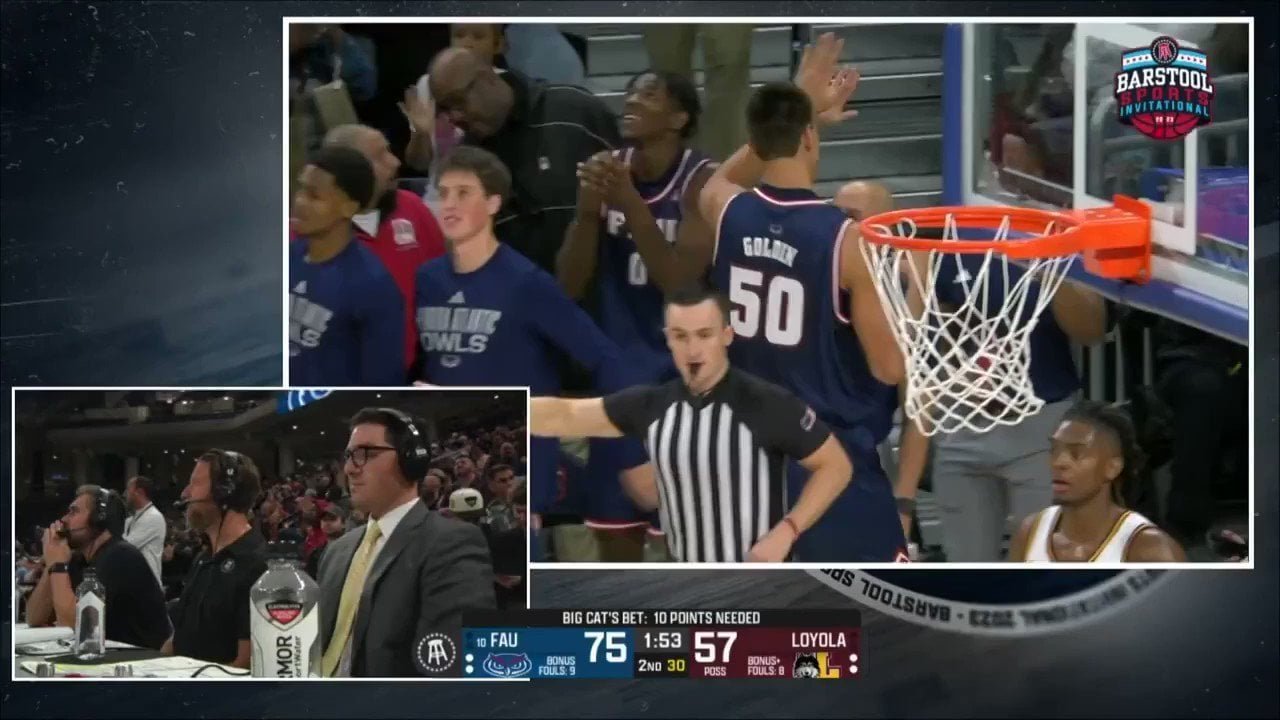
No, generally commentators cannot bet on games they are covering due to potential conflicts of interest and ethical concerns.
Have you ever wondered about the lines between commentary and personal gain in sports? It’s a question that often surfaces: can commentators bet on games they’re broadcasting? The topic raises questions about fairness and transparency, and it certainly stirs debate among fans and those within the industry.
The potential for biased reporting is very real, if commentators engage in gambling on the events they cover. This situation creates a conflict between their professional responsibility to inform and their personal financial interests. These rules exist to protect the integrity of sports.

Can Commentators Bet on Games? A Deep Dive
The question of whether sports commentators should be allowed to bet on the games they cover is a really big one, and it brings up a lot of different ideas about fairness and honesty. It’s like asking if a referee should be allowed to play on one of the teams – it just doesn’t feel right, does it? Let’s break down why this topic is so important and explore all the different sides of the story.
Why It’s a Big Deal: The Conflict of Interest
Imagine a commentator, someone who tells you all about the game, who is also secretly hoping their bet will win. It’s easy to see how this could cause problems. We trust commentators to give us the facts, to explain what’s happening on the field or court without any hidden motives. They’re like our guides to the sport. If they have money riding on the outcome, it could change how they talk about the game.
The Risk of Biased Commentary
When a commentator bets on a game, there’s a real chance their comments might become slanted. They could start talking up one team to make their bet more likely to win, even if that team isn’t really playing that well. Think about it: If they have money on Team A, they might spend more time praising Team A’s players and plays, and maybe not talk as much about the great moves that Team B is making. This could fool listeners and make them think one team is doing better than they actually are. This makes it really unfair to the viewers and listeners who are relying on the commentator’s words to understand the match.
The Erosion of Trust
The most damaging thing that could happen is that fans begin to stop trusting what commentators say. If we think that commentators might be manipulating us for their own profit, it changes everything. We watch games to be entertained and learn about the sport, and we need commentators to be honest and accurate in their descriptions. When the audience loses trust in the commentators, it impacts the whole sport and could potentially affect viewership and fans excitement toward the game. That makes this a very serious issue for sporting organizations and broadcasters to deal with.
Rules and Regulations: What’s Allowed?
Many sporting organizations and broadcasting companies have strict rules about commentators betting on games. These rules are in place to help maintain fairness and trust in sports. Let’s take a look at some of the common regulations in place
Broadcasting Company Policies
Most big broadcasting companies that show sports have rules that say their commentators cannot bet on the sports they cover. They know that betting by their on-air talent creates a massive conflict of interest. The rules are there to make sure the commentators are always working fairly for the viewers and not themselves. These policies are designed to make sure that everyone is on a level playing field and that the broadcast can’t be questioned for biased commentary or questionable practices. They also protect the commentators by removing them from any potential situations that could hurt their career or reputation.
Sporting Organization Regulations
Often, the sports leagues and organizations also have rules in place. They often prohibit players, coaches, and sometimes even on-air talent from placing bets on their sport. These regulations are important because they protect the game’s integrity. If the organizations want fans to keep watching, they have to make the competition as even and trustworthy as possible. That means making sure nobody connected to the sport is taking part in any gambling that could influence the outcome.
Ethical Codes of Conduct
Beyond specific rules, there are also ethical guidelines that commentators are expected to follow. These codes of conduct promote honesty and fairness, and they often include a section that talks about conflicts of interest. Commentators should always be thinking about what is best for the sport and the fans, and making decisions that maintain integrity and trustworthiness. These ethical guidelines are important to create a culture of integrity within the sports industry.
The Gray Areas: Where Things Get Tricky
While there are clear rules in place in many cases, things can still get a bit complicated. Sometimes there are situations that fall into a gray area, making it hard to know what to do. This can involve different types of bets or different types of involvement with sports betting.
Different Types of Bets
It’s one thing if a commentator bets directly on a game that they are commentating on. But what if they bet on a different game in the same league? Or what if they bet on a player’s performance and not the game result itself? These situations are often more complicated. Some may argue that if it is not directly connected, there is no real issue, others will see it as a violation of general trust and ethics. It often comes down to the details and intent behind the bet. These types of questions often require that each case is considered carefully, with all details taken into account.
Indirect Involvement with Betting Companies
Another gray area is when commentators are connected to betting companies. This could be things like advertising, promoting a betting company, or even having some sort of behind the scene partnership. This can present just as much as a conflict of interest. Even if a commentator is not actively placing bets, any kind of affiliation with a betting company could be seen as a conflict and could bring their objectivity and fairness into question. It’s very crucial for commentators to maintain a clear distance from the betting industry. This is important for public trust and the integrity of the sport.
Global Variations
The rules and regulations about commentator betting are not the same everywhere in the world. Some places have very strict rules, while others have more relaxed policies. The way this is handled is also very dependent on each sport, the culture of the specific country, and even the local laws and regulations. It makes things more complicated when sports become global, as what is acceptable in one country or sport might not be acceptable somewhere else. It’s crucial for commentators who work globally to be aware of all these variations to ensure they are always compliant and do not risk any conflict of interest.
Consequences of Betting
If a commentator breaks the rules and places bets on the games they cover, they can face serious consequences. It’s not just a slap on the wrist; it can hurt their career and reputation severely. Let’s see what these potential consequences might be:
Loss of Job
One of the most immediate consequences could be losing their job with the broadcasting company. Most of these companies have clear rules and they don’t want to have any doubts about their commentators being fair and unbiased. Betting on games breaks this rule and makes them consider the commentator too much of a liability. Once this rule is broken, the broadcasting company often has no other choice but to terminate the contract with the commentator to maintain their public image and the trustworthiness of their broadcast.
Damage to Reputation
Even if they don’t lose their job, commentators could have a serious problem with their public image. The public often views this action as very untrustworthy, and many fans find it hard to forgive such action by the commentator that they trusted to guide them through the sports. If fans start losing trust in their commentaries, the commentators could quickly lose their audience and all credibility they have worked so hard to build.
Legal Trouble
In some situations, there could even be legal problems. Depending on local regulations, placing a bet could be illegal, and the commentator could have to face lawsuits or other kinds of legal action if they are caught doing this. Legal actions could be very costly and damaging to a commentator’s career and could even result in financial penalties.
The Importance of Transparency
All this talk about the rules and regulations brings us to a very important point, and that is the transparency of the commentators. When commentators are open and clear about any activities they have with the betting industry, it helps make sure that there are no hidden agenda, keeping them from being honest with viewers.
Clear Disclosure of Relationships
If a commentator has any kind of connection with betting companies, it’s really important that they let the viewers know about it. This could be partnerships, sponsorships, or even just having an advertising contract. When they are upfront about this relationship, it allows the viewers to take that into account while they listen to their comments, and the audience can make their own informed decisions about the commentary. It’s all about building and maintaining the trust that fans have with the commentators.
Upholding Ethical Standards
Transparency is important because it helps uphold the ethical standards in sports broadcasting. When commentators show that they’re committed to being honest, it helps ensure that the sport remains fair and credible. This type of transparency also allows the commentators to act with honesty and also gives the opportunity to the public to see them as trustworthy. This ethical approach is a crucial part of keeping sports fair and enjoyable for everyone.
A Look at Hypothetical Situations
To really grasp why this is such a serious issue, let’s go through a few imaginary situations and what could happen:
Situation 1: The Close Call
Imagine a commentator bets on a team that is losing in the final minute. As the clock is winding down, they start getting very excited for the losing team, and start talking up their chances. Even though the winning team is still performing better. They might make comments like “it’s not over yet” and focusing more on what the losing team is doing right, rather than any of the winning team’s actions. This shows that their comments are biased because of their bet, and will mislead the viewers who are relying on fair commentary.
Situation 2: The Underrated Team
Let’s imagine that a commentator bets on an underdog team. If they are biased, they might constantly downplay the better team to make the underdog appear much stronger than they actually are. They may point out every single little mistake made by the favorite team while ignoring similar mistakes by the underdog. This is an attempt to make their viewers believe that the underdog has a real chance of winning, even if they actually don’t.
Situation 3: The Paid Promotion
Consider a commentator who is quietly getting payments from a sports betting company. They might start talking about how exciting it is to bet on the game, subtly pushing the audience to think about the opportunity that betting represents. They might casually refer to special offers of their partner company, making the viewers believe it is just part of the commentary while they are actually being a sales person on behalf of the betting company. This indirect promotion could be misleading to viewers who might think this is a genuine comment from a commentator.
Moving Forward: Ensuring Fairness
To ensure that sports are fair and the audience can trust the commentators, a few things need to happen:
Stronger Regulations
Sports leagues and broadcasting companies must create stricter regulations on any betting activity. They must create clear rules and ensure that all their employees know these rules well and they have to make sure that the rules are followed. This is a part of safeguarding the game’s fairness and protecting the fans’ trust. They need to check that their rules are working to prevent any unfair action from occurring and keep the game clear of bias.
Better Enforcement
It’s not enough just to have rules. Sports organizations and broadcasters have to enforce them properly. That means having a way to monitor commentators and make sure they are following the rules, and that there are serious consequences if they are caught breaking the rules. This kind of enforcement ensures that commentators are held accountable for any inappropriate behavior that could damage the public’s trust.
Ongoing Education
Commentators also need to be properly educated on ethical conduct, the dangers of conflicts of interest, and the rules they have to follow. They must understand the importance of being objective and honest with the audience and that public trust is the basis of their profession. Education must be ongoing, and the commentators must be reminded of their ethical responsibility and the need to maintain the integrity of the sport at all times.
The Bigger Picture: The Integrity of Sports
The discussion around whether commentators can bet on games is really just a small part of a much larger conversation on the integrity of sports. We want sports to be fair, we want to trust those who are involved in it, and we want to make sure that the results of games are never manipulated or influenced by those who should be unbiased.
When we have proper rules and regulations, we build a culture of transparency and fairness and this helps keep the sports clean and exciting for all the fans and those who are connected to the game. It’s vital that sports prioritize fairness and integrity to make the sport honest for everyone who plays it, watches it, or is involved in it in any way.
In the end, the goal is to keep the games as fair and enjoyable as possible, and ensuring that those who are guiding us through them are doing so with complete honesty.
NBA Commentators are CRAZY 😭💀 #shorts #nba
Final Thoughts
Whether commentators can bet on games is a complex issue. Clear conflicts of interest exist when they do. Such activity could heavily impact the integrity of broadcasts and public perception. Therefore, many sports organizations have rules that prohibit such actions.
These rules protect the fairness of the game. These regulations are crucial to maintaining trust. They ensure that commentators remain impartial voices. can commentators bet on games becomes a matter of ethical conduct and legal compliance.

