
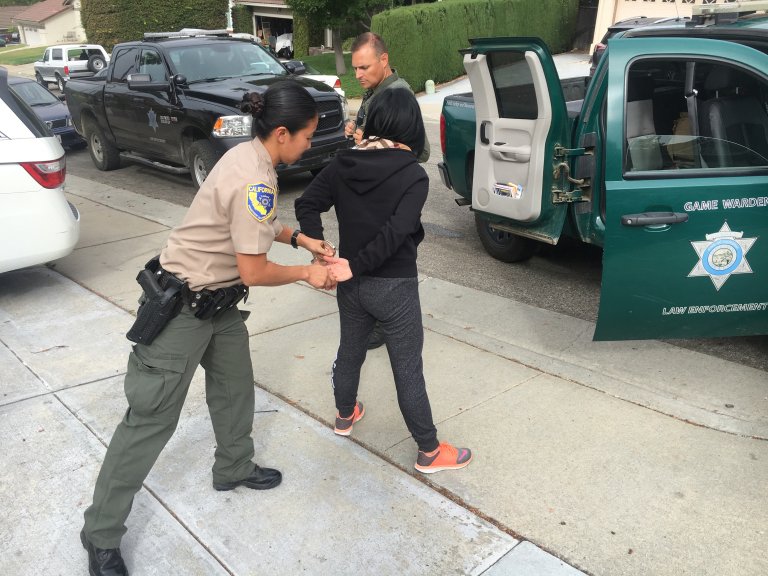
Yes, game wardens can arrest you if you violate hunting, fishing, or other wildlife conservation laws.
Ever wondered about the authority figures you might encounter in the great outdoors? Specifically, many people ask, can game wardens arrest you? It’s a valid question given their role in enforcing wildlife regulations.
These officers possess full law enforcement powers, similar to police in their jurisdictions. They have the power to detain, investigate and yes, arrest individuals who break conservation laws. Understanding their authority is important for anyone enjoying nature.

Can Game Wardens Arrest You?
Let’s get right to it: Yes, game wardens can arrest you. But it’s not like in a movie where they suddenly appear out of the bushes and slap handcuffs on you. It’s a bit more nuanced than that. They have the authority to arrest people, just like police officers, but within a specific realm – that of protecting wildlife and natural resources. To understand fully, let’s look deeper into what they do and how that relates to their arrest powers.
What Exactly Do Game Wardens Do?
Imagine someone watching over the forest, the lakes, and the rivers, ensuring that everyone plays by the rules when it comes to nature. That’s basically a game warden. They are law enforcement officers with a focus on protecting our natural resources. Their job is about more than just catching people who are hunting without a license. They have a lot of responsibilities.
Core Responsibilities of a Game Warden
- Enforce Hunting and Fishing Regulations: They make sure people have the proper licenses and follow rules about what animals they can hunt or fish, and when and how they can do it. This includes checking permits, ensuring the use of legal gear, and verifying that bag limits are followed.
- Protect Wildlife: Game wardens work to protect animals from poaching and illegal trading. They also help protect endangered species and their habitats.
- Promote Safety: They educate people about safe hunting, fishing, and boating practices. They often respond to accidents and help ensure that outdoor activities are done safely.
- Manage Wildlife Areas: They help to manage wildlife areas, state parks, and other public lands to make sure they are healthy and sustainable for both wildlife and people.
- Investigate Wildlife Crimes: Game wardens investigate crimes such as poaching, illegal trapping, and the illegal sale of wildlife. This work can be very similar to police detective work.
- Educate the Public: They often give presentations and hold workshops for the public to teach about wildlife, regulations, and how to help protect the environment.
Understanding Game Warden Authority
Game wardens get their power from the laws and regulations of their state. Each state has specific laws about hunting, fishing, and wildlife, and wardens are there to uphold these laws. They have the ability to enforce these laws in the same way that any police officer enforces laws within their jurisdiction. This includes the power to make arrests.
Jurisdiction and Powers
Game wardens usually have authority within their specific state. However, sometimes they can work with federal agencies on wildlife cases that cross state lines. These wardens typically operate in specific areas like state parks, forests, lakes, and rivers. The power of the game warden extends to various areas:
- Search and Seizure: They can conduct searches of vehicles, boats, and personal property if they have reason to believe a wildlife law has been broken. Sometimes, this is based on “probable cause,” which means there’s enough evidence to suspect an offense. In some situations, warrants are required.
- Making Arrests: Yes, they can arrest you if they see you breaking a wildlife law. Depending on the state, these arrests can be for relatively minor offenses, like fishing without a license, to more serious crimes like poaching or illegal possession of protected wildlife.
- Issuing Citations: Like a police officer giving out a traffic ticket, game wardens can issue citations for violations of wildlife laws. These citations often result in fines.
- Testify in Court: Game wardens play a critical role in court cases regarding wildlife crimes. They often testify about their investigations and any evidence they have collected.
When Can a Game Warden Make an Arrest?
So, if game wardens have the power to arrest, when exactly can they use that power? It isn’t arbitrary. There must be a valid legal reason for them to make an arrest. Think of it this way: they can’t just decide to arrest you because they don’t like your hat. Here are some situations where a game warden can make an arrest:
Specific Scenarios for Arrest
- Violations in Plain Sight: If a warden directly witnesses someone committing a wildlife crime, they can make an arrest on the spot. This includes hunting out of season, exceeding bag limits, or using illegal fishing methods.
- Based on Probable Cause: If they have enough evidence or information to believe a wildlife crime has been committed, they can make an arrest. This can include tips from witnesses, tracking evidence, or evidence they find during a legal search.
- Outstanding Warrants: If you have an outstanding warrant for a wildlife-related offense, or even other violations, a game warden can arrest you if they discover that warrant.
- Resisting or Obstructing: If you do not cooperate with the game warden, such as running away, providing false information, or refusing a search when they have legal authority, they can arrest you for obstructing justice.
- Felony Offenses: For very serious crimes related to wildlife, such as poaching endangered species or engaging in large-scale illegal wildlife trafficking, game wardens have the authority to arrest you. These types of crimes often carry serious penalties.
What Happens After an Arrest?
Getting arrested by a game warden is not much different from being arrested by any other law enforcement officer. Here’s a general rundown of what to expect:
Steps Following an Arrest
- Booking: After an arrest, you will be taken to a nearby jail or holding facility. Here, they will document the arrest, take your fingerprints, and take your photograph.
- Initial Hearing: You will typically appear in court before a judge, where you’ll be formally charged with the alleged offense. You might have an opportunity to enter a plea, like “guilty” or “not guilty.”
- Setting Bail: If the offense is not considered too severe, the court might set bail. If you pay the bail amount, you can be released from jail until your court date.
- Trial or Plea Bargain: Depending on the situation, your case might go to trial or you might work with the prosecution to get a plea bargain (an agreement where you plead guilty to a lesser charge).
- Penalties: If convicted, you could face penalties, which often includes fines, jail time, probation, or the loss of hunting and fishing privileges.
Common Mistakes That Lead to Encounters with Game Wardens
Many times, people run into trouble with game wardens because they are simply unaware of the laws. It’s better to be informed than to find yourself on the wrong side of the law. Here are some common mistakes people make that can lead to a game warden encounter:
Common Violations to Avoid
- Hunting or Fishing Without a License: You need to have the proper permits and licenses to legally participate in hunting or fishing activities. This needs to be done each year, and you need to ensure that all of your documentation is in order.
- Hunting or Fishing Out of Season: Wildlife agencies set specific dates when you can legally hunt or fish certain species. They do so to protect the species and their populations.
- Exceeding Bag Limits: Each animal species has a set limit of how many individuals you can harvest per day, season, or year. Keep track of your harvest and be sure to not exceed these.
- Using Illegal Gear or Methods: You must use legal tools, baits, and traps. Sometimes, certain equipment or tactics are prohibited by local law.
- Trespassing: You should not hunt or fish on private land without permission, even if you think no one is around.
- Improper Tagging: When you harvest an animal, you must tag it right away in accordance with specific rules. These tags often help to ensure accurate records of the harvest.
- Failing to Comply with Wardens: Refusing to cooperate with a game warden’s request is a serious offense and could lead to further legal problems.
How to Avoid Trouble with Game Wardens
The best approach to avoid problems with game wardens is to be respectful and knowledgeable about the rules. Being proactive and informed can keep you out of legal trouble and help protect wildlife.
Best Practices for Responsible Outdoors Activities
- Know the Laws: Before you go hunting, fishing, or exploring, read up on all the relevant laws and regulations in your area. Many states have their regulations easily accessible online.
- Get the Correct Permits: Always make sure you have all the necessary licenses and permits before you start any outdoor activity.
- Stay on Public Land: When you hunt and fish, only go to areas that are public or where you have explicit permission to access. Avoid going on private land without the owner’s permission.
- Be Aware of the Season: Make sure you know when the open season is for any species you plan to hunt or fish. Do not go out of season.
- Adhere to Bag Limits: Keep a strict tally of how much you have harvested and ensure that you don’t go over the set limits.
- Respect the Wildlife: Always respect wildlife and their habitats and do your part in making sure the environment is being protected.
- Cooperate with Wardens: If a game warden approaches you, be polite and cooperate fully. They are there to protect wildlife and ensure everyone is following the rules.
The Role of Game Wardens in Conservation
Game wardens are vital to the preservation of our natural resources. They protect wildlife, keep our ecosystems balanced, and help keep us safe when participating in outdoor recreation. They do this by enforcing the law, as well as educating people about the rules and the importance of conservation.
Conservation Efforts by Game Wardens
- Protecting Endangered Species: Wardens play a crucial role in protecting endangered animals from poaching and habitat destruction. Their work helps maintain a healthy balance in the ecosystem.
- Preventing Illegal Trading: They help to stop illegal markets for wildlife, which can be very destructive to some species.
- Educating the Public: Wardens often reach out to communities to educate them about protecting the environment and its inhabitants. These educational programs are invaluable in helping the public respect and protect wildlife.
- Promoting Responsible Practices: By enforcing regulations and interacting with the public, they encourage responsible hunting, fishing, and other outdoor recreational practices.
- Collaborating with Other Agencies: They work with various other agencies, such as environmental groups and law enforcement, to create better protections for wildlife.
In summary, while a game warden’s job might sometimes seem like they are only there to give people trouble, they actually play a key role in conserving our environment. Their work has an important effect on the health of the ecosystem and the sustainability of our natural resources.
Understanding the authority of game wardens and the laws they enforce is not just about avoiding legal issues, it’s about being a responsible steward of our natural world.
Texas Game Warden Arrests Poacher Guilty Of Killing Alligators | Lone Star Law
Final Thoughts
Game wardens, as law enforcement, absolutely can arrest you for violations of hunting, fishing, or wildlife laws. They have the authority to detain individuals suspected of offenses. These arrests can be for various infractions, from not having proper licenses to illegal poaching.
Therefore, understanding and adhering to all regulations is crucial. ‘can game wardens arrest you’ is a reality, and you must be mindful of it. Ignorance of the law offers no protection.

