
Game wardens can typically enter private property under specific circumstances, often related to enforcing hunting and fishing regulations, or if they have a warrant.
The question of ‘can game wardens go on private property’ often raises concerns among landowners. It’s a topic filled with nuances and legal boundaries. Many people wonder about their rights when a game warden appears on their land. This concern is completely understandable.
The authority of these officers is often misunderstood, leading to confusion and sometimes conflict. Understanding the scope of their power and the limitations they face is important for everyone. Knowing your rights and responsibilities will help in these situations.

Can Game Wardens Go On Private Property?
The question of whether game wardens can step onto private land is something many people wonder about, especially those who enjoy hunting, fishing, or owning rural properties. It’s a tricky area, involving a balance between protecting wildlife and respecting individual property rights. The simple answer is: sometimes, yes, they can. But it’s far more nuanced than that. Let’s explore the circumstances and limitations around game warden access to private property.
Understanding the Role of a Game Warden
Before we dive into property access, it’s helpful to understand what game wardens actually do. They are law enforcement officers who specialize in enforcing laws related to wildlife, fish, and natural resources. Think of them as protectors of nature. Their job includes:
- Enforcing hunting and fishing regulations: Making sure people have the proper licenses, follow legal hunting and fishing seasons, and use allowed equipment.
- Investigating wildlife crimes: Looking into cases of poaching (illegal hunting or fishing), illegal sale of wildlife, and habitat destruction.
- Educating the public: Sharing information about wildlife conservation and responsible outdoor practices.
- Responding to wildlife emergencies: Handling situations involving injured or nuisance animals.
Because their duties often involve areas where wildlife is found, which commonly includes private land, the issue of access becomes complex.
The Legal Framework: What Laws Say
The rules about game wardens and private property access are primarily determined by state laws, although federal laws can sometimes play a role, especially when endangered species or federal land are involved. It’s essential to know that every state has its own set of regulations, so what’s true in one state might not be in another. However, some general principles tend to apply.
Open Fields Doctrine
One of the most critical concepts is the “open fields doctrine.” This legal idea, established through court cases, basically says that there isn’t a reasonable expectation of privacy in “open fields,” even if those fields are on private property. This typically includes things like:
- Farms and pastures
- Fields and woodlands
- Undeveloped land
Because these areas are generally visible and not considered private in the same way a house is, wardens often do not need a warrant to enter them. However, the “open fields doctrine” doesn’t apply to areas with a greater expectation of privacy, like the curtilage of a home. Curtilage refers to the area immediately surrounding a house where people have a heightened expectation of privacy. This often includes things like a fenced-in backyard, porch, or garden. Wardens generally cannot enter this area without a warrant or consent from the property owner.
Exceptions to the Open Fields Rule
While the open fields doctrine gives wardens some leeway, there are important limitations. They can’t just barge into anyone’s backyard without a reason, for instance. Some common exceptions include:
- Curtilage: As we discussed, the area immediately surrounding a house is generally protected, and wardens usually need a warrant or permission to enter this area.
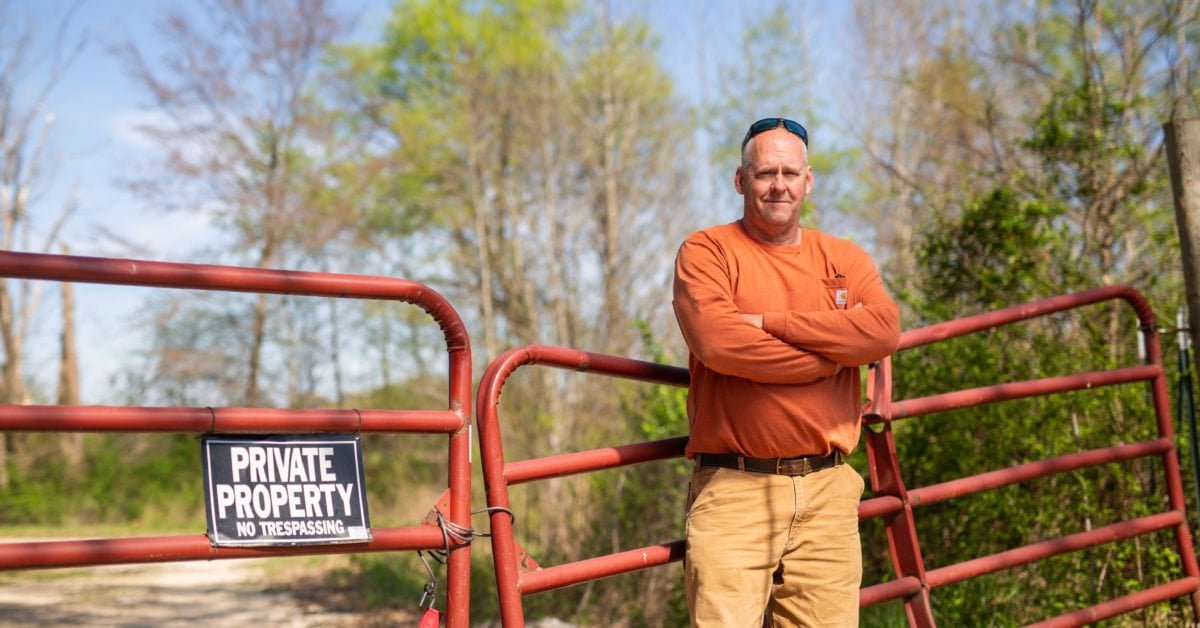
- Posted “No Trespassing” signs: Even in areas that might be considered “open fields,” properly posted “No Trespassing” signs can influence the level of permission or reasonable cause required by the warden. The specific signage requirements can vary by state.
- Gates and fences: These aren’t automatic barriers to entry for all situations. If a warden is in pursuit of a suspected violation, a gate or fence won’t always stop them. However, under normal circumstances, going through or over a locked gate or fence could require greater justification.
When Can Game Wardens Enter Private Land?
Here are some specific instances when a game warden might legally enter private property:
When There is Probable Cause of a Violation
If a game warden has a good reason to believe that a law has been broken (probable cause), they can enter private property to investigate. For example:
- Hearing gunshots at night: If a warden hears shooting after legal hunting hours, they might enter the property to investigate.
- Seeing suspicious activity: If a warden sees someone carrying a deer carcass in an area where hunting is not allowed, they may enter to investigate further.
- Observing illegal fishing: If wardens observe someone using illegal nets in a private pond they may investigate without a warrant.
“Probable cause” requires more than a hunch; it has to be a reasonable suspicion based on facts or evidence.
Emergency Situations
In an emergency situation, a game warden can enter private land without a warrant or the property owner’s permission. Some instances include:
- Injured wildlife: If a warden is notified of an injured or trapped animal on private land, they may enter to help.
- Imminent danger to humans: If an aggressive animal is posing a threat to people on the property, a warden may enter to respond.
- Active pursuit of a fleeing suspect: If wardens are in active pursuit of a suspect who has committed a wildlife offense, they may cross onto private property.
With Permission of the Landowner
The simplest way for a game warden to legally be on private property is with permission from the owner or the person responsible for the land. Landowners can grant permission verbally or in writing, and some may even choose to have an ongoing agreement where wardens are permitted access to the property. Always consider, if you do permit access, what the terms and conditions might be.
Routine Patrols and Observations
In many situations, wardens have the right to observe activity from public property. For example, If a warden is standing on the shoulder of a public road and sees illegal activity occurring on private property, that observation is usually admissible. The warden may then have probable cause to take further action. In some instances, depending on state law, they may conduct routine patrols on private land. These patrols can vary by location and might be limited to specific types of land or be subject to additional restrictions.
Limitations on Game Warden Authority
While game wardens have the authority to enforce wildlife laws, there are crucial limits to what they can do, especially on private land.
Search and Seizure
Just like any law enforcement officer, game wardens are subject to the rules on search and seizure under the Fourth Amendment of the U.S. Constitution. This means that they cannot conduct unreasonable searches or take property without proper legal justification. Usually, they need to have probable cause and a warrant for thorough searches, except in specific circumstances, like plain view or emergency situations. If a warden were to improperly search your property, any evidence found may be inadmissible in court.
Respecting Property Boundaries
Although the “open fields” doctrine exists, wardens need to be aware of and respectful of private property boundaries, especially when the boundaries are well marked. They should avoid any actions that would cause unnecessary damage to property. They also need to be aware of any local regulations on land use and access.
Reasonable and Just Actions
Game wardens cannot overreach or abuse their authority. Their actions must be reasonable and in line with their purpose of enforcing wildlife laws. Harassment, intimidation, or unnecessary intrusion is usually not acceptable.
The Importance of Knowing Your Rights
It is important for landowners and those that enjoy the outdoors to know their rights regarding game warden entry onto private land. Understanding these rights ensures that you are protecting yourself and operating legally. Here are some tips:
- Know the specific laws in your state: Regulations vary significantly. Your state’s fish and game agency or natural resources department will have the specific rules and regulations.
- Clearly mark your property: Properly post “No Trespassing” signs if you don’t want people on your land without permission. Follow the specific state signage requirements to ensure that these are valid.
- Be respectful: If a game warden does come onto your property, be courteous. Even if you don’t believe they have the right to be there, refusing to cooperate could make the situation worse. Be sure to ask for identification.
- If you believe your rights have been violated: Document everything, including the date, time, and any pertinent details of the event. Contact your state’s game commission or even a legal professional if you believe your rights have been violated.
Working Together: Landowners and Game Wardens
At the end of the day, most game wardens want to do their job fairly and effectively. They rely on the public for information and support, while also having to uphold their duty to protect the resources. When landowners, hunters, and the public work together, it can promote wildlife conservation and responsible use of our natural areas. Knowing the rules that govern game warden entry onto private property is part of this collaboration. This understanding will help to ensure fair treatment while also safeguarding the environment for everyone.
Understanding the complexities of game warden access to private land is vital for both landowners and those who enjoy outdoor activities. The “open fields” doctrine gives wardens some leeway, but there are important limitations, particularly around the curtilage of your home and clearly marked property boundaries. Being informed, knowing your rights, and respecting the law are all essential to ensure fair treatment.
Game Wardens Need Warrant For Camera on Private Property
Final Thoughts
Game wardens can enter private property in specific situations. They require probable cause to suspect a violation of wildlife laws before entering. They must have a warrant unless exigent circumstances exist.
The specifics surrounding whether they can enter depends on state and local laws. Therefore, the question of ‘can game wardens go on private property’ requires careful examination of the jurisdiction’s regulations.

