
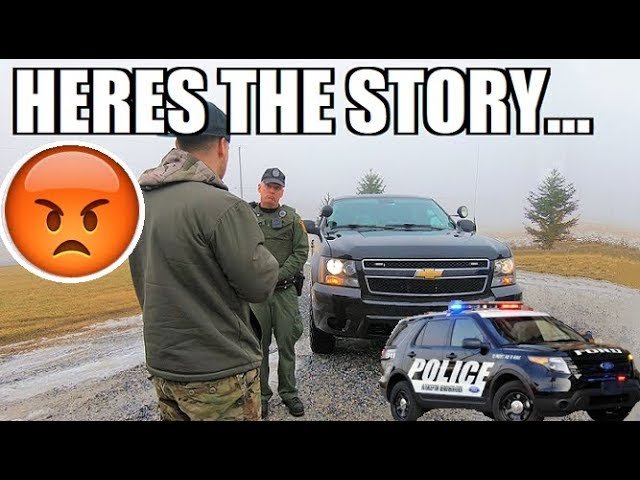
Yes, game wardens can pull you over if they have reasonable suspicion of a wildlife or boating violation.
Ever wondered about the authority of those patrolling our woods and waterways? Specifically, can game wardens pull you over? It’s a question many outdoors enthusiasts ponder. Understanding their powers helps us respect the law.
They aren’t just watching animals; they are enforcing rules that protect our natural resources. Knowing this information is important when enjoying the outdoors. Being aware of their authority ensures compliance during your outdoor adventures.

Can Game Wardens Pull You Over?
Okay, let’s talk about game wardens. You see them out in the woods, on the water, maybe even driving down the road. But can they actually pull you over, just like a police officer? The short answer is: yes, they often can, but it’s not quite as simple as that. Their powers are a bit different from regular police, and it all depends on the situation and what laws they’re enforcing. Let’s dive into the details.
Understanding the Authority of a Game Warden
Game wardens, sometimes called conservation officers or wildlife officers, are law enforcement officials. Their primary job isn’t to fight crime in the city, though they do have arrest powers in certain situations. Instead, they focus on protecting our natural resources and enforcing wildlife laws. Think about things like hunting, fishing, and boating regulations. This is their main area of expertise and the foundation of their authority.
What Laws Do Game Wardens Enforce?
Game wardens work to ensure that everyone plays by the rules when it comes to interacting with nature. Here are some of the things they monitor and enforce:
- Hunting regulations: This includes things like having the right licenses and tags, hunting during the correct seasons, using legal hunting methods, and not exceeding limits on how many animals you can take.
- Fishing regulations: Similar to hunting, fishing rules involve having licenses, following size limits on fish, using allowed types of equipment, and respecting closed seasons for certain species.
- Boating laws: This covers rules about safety equipment on boats, operating boats responsibly, and respecting no-wake zones.
- Environmental protection: They might also enforce laws against polluting waterways or damaging natural habitats.
In short, if it has to do with wildlife, the environment, or outdoor activities like hunting and fishing, game wardens likely have some authority over it.
How Game Warden Authority Differs from Police Authority
While both game wardens and police officers are law enforcement, there are some differences. Police officers typically have broader arrest powers and are responsible for enforcing all types of laws in their jurisdiction. Game wardens, on the other hand, have authority that is more specialized to the areas of wildlife, conservation, and related activities. Their focus is on natural resources and the laws governing their use. For instance, a game warden might not pull you over for speeding in a city, but they certainly could pull you over if they saw you operating an off-road vehicle illegally in a forest or park.
When Can a Game Warden Pull You Over?
Now, let’s get down to the specifics of when a game warden can actually stop you. It’s not always going to be the same as when a police car with flashing lights comes up behind you. Here are some typical scenarios:
Traffic Stops on Public Roads
Yes, game wardens can pull you over on public roads. But their reasons for doing so are often specific. They might stop you if they:
- Observe a violation: If they see your vehicle is transporting game or fish illegally, like an animal shot during the closed season, or untagged fish, they might pull you over.
- Have reasonable suspicion: if they have a credible reason to think you are involved in an activity that violates wildlife laws, they can stop your vehicle. This could be based on a report from another officer or citizen or something they observed themselves.
- Are conducting a checkpoint: In some areas, game wardens might set up checkpoints to inspect vehicles for compliance with hunting or fishing regulations, especially during hunting seasons or popular fishing periods.
Keep in mind that this does not mean that game wardens are primarily focusing on routine traffic violations like speeding or expired tags. These things are usually handled by state or local police. Game wardens are most often looking at activities specifically related to wildlife and natural resources. However, if during a stop, they happen to observe a serious traffic violation, they may address that. That said, their primary focus will still be on the conservation aspects of the situation.
Stops During Outdoor Activities
Game wardens don’t only patrol the roads. They’re often in the woods, on lakes, and in other outdoor recreation areas. Here’s when they might approach you:
On the Water
If you’re in a boat, a game warden can absolutely pull you over. They might do so to:
- Check for required safety equipment: This includes life jackets, fire extinguishers, and other items needed to comply with boating laws.
- Inspect fishing licenses and catches: They will check to ensure you have the correct license and are following size and limit rules for fish.
- Address unsafe operation of a boat: They may stop you if you’re driving recklessly or violating boating laws such as no-wake zones.
In the Woods or Fields
While you’re hunting or hiking, a game warden can approach you. They may:
- Check hunting licenses and tags: They will verify you have the proper authorization to hunt and that you are following regulations for tagging animals you harvest.
- Inspect your harvested game: They make sure you’ve only taken animals that are legal in terms of species, season and bag limit.
- Investigate suspicious activity: If they observe actions that seem to violate wildlife laws, they will investigate.
What Happens When a Game Warden Stops You?
So, a game warden has pulled you over or approached you in the field. What can you expect?
What Game Wardens Can Ask You
Game wardens have the authority to ask you a number of questions, including:
- Your name and address: They need to know who they’re dealing with.
- About your activities: They may ask what you’ve been doing (fishing, hunting, etc.) and if you have any licenses or permits required for that activity.
- To see licenses or tags: You’ll need to present these if requested.
- To see the fish or game: They have the right to inspect any animals you have harvested to make sure they’re legal.
What Game Wardens Can Search
A game warden’s ability to search is limited but powerful. They can search:
- The vehicle: If they have probable cause to believe it contains evidence of a violation, they can search your car or truck.
- Your boat: They can board and search your boat to check for fishing violations and safety regulations.
- Your person and belongings: If they have reason to suspect you’re hiding something illegal, they can search you and your gear, within reason.
Generally, they do not need a search warrant if they are conducting a search that is directly related to wildlife violations and they have probable cause. However, if you are not in a situation related to wildlife laws, their search authority may be different from that of a police officer.
What to Do When Stopped by a Game Warden
The best way to handle a stop by a game warden is to be calm and respectful. Here are a few important tips:
- Be polite: Cooperate with the game warden and be polite during the interaction. They are just doing their job.
- Provide identification: Have your hunting or fishing licenses ready to present when asked, as well as a valid form of identification.
- Answer questions truthfully: Don’t lie to a game warden. They may have ways of knowing if you are not telling the truth.
- Don’t resist: Don’t resist if a game warden asks to search your vehicle, boat, or gear.
- Know your rights: If you feel a game warden has violated your rights, contact an attorney after the encounter and explain the details of the situation.
The Importance of Game Wardens
Game wardens play a really important role in protecting wildlife and our natural resources. Without them, hunting and fishing would not be managed correctly. The wildlife populations could face some serious consequences. Here are some reasons why game wardens are essential:
- They protect wildlife populations: They help maintain healthy populations of animals by ensuring responsible harvesting.
- They prevent overfishing and overhunting: This ensures that there will still be plenty of fish and game for future generations.
- They ensure everyone follows the same rules: They make sure that everyone follows the laws. This creates an equal playing field for all outdoor enthusiasts and promotes conservation ethics.
- They help maintain safe outdoor recreation areas: They make sure people are boating safely and participating in outdoor activities responsibly.
Game wardens work to ensure that everyone can enjoy the outdoors while also protecting nature’s valuable resources.
A Note About Respect
It’s always best to be respectful when dealing with any law enforcement officer, including game wardens. They are often working in challenging conditions and under stressful situations. Being respectful can help de-escalate any situation and ensures that everyone has a positive experience. Remember, they are there to protect our natural resources and make sure everyone follows the rules. Treating them with respect benefits everyone.
So, yes, game wardens can pull you over, but it’s usually for specific reasons related to wildlife, conservation, and outdoor recreation. By understanding their role and the laws they enforce, you can help ensure that your time in nature is safe and legal. Remember to respect their authority and always follow the rules of the outdoors.
Ask Trooper Steve: Can wildlife officers pull you over in Florida?
Final Thoughts
Game wardens absolutely can pull you over. They have authority to enforce wildlife laws, just like other law enforcement. This power includes stopping vehicles when they observe possible violations.
Their jurisdiction often extends to areas related to hunting, fishing, or boating. They may need to check for licenses, equipment compliance, or adherence to regulations. So, you must cooperate if they signal a stop.
Therefore, the short answer is yes, game wardens can pull you over. Be respectful and comply with their requests to avoid issues.

