
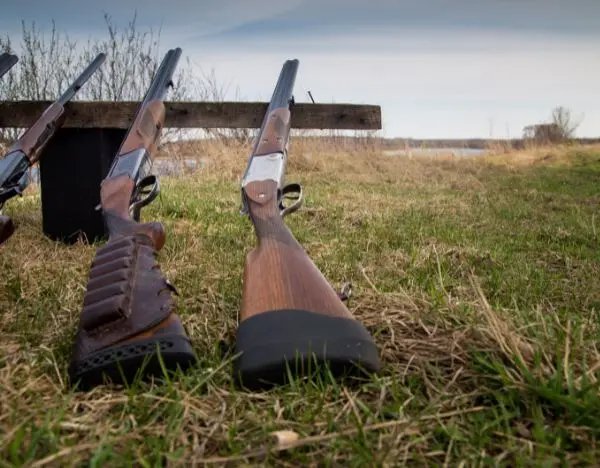
Game wardens can, in specific circumstances, search without a warrant, particularly when dealing with hunting and fishing regulations within their jurisdiction.
Have you ever wondered about the powers that game wardens possess? The question of can game wardens search without a warrant often arises when discussing outdoor recreation laws. It’s a topic that impacts hunters, anglers, and anyone spending time in the wild.
Understanding their authority is crucial for anyone enjoying natural resources. They often have the right to check for compliance with regulations. This can involve inspecting licenses, equipment, or harvested animals.

Can Game Wardens Search Without a Warrant?
The question of whether game wardens can search without a warrant is a complex one, with answers that aren’t always black and white. It’s a topic that often sparks debate, especially among hunters, anglers, and outdoor enthusiasts. Understanding the rules and laws surrounding this is important for everyone who enjoys spending time in nature. Let’s dive in and explore this area carefully. The key idea here is to understand that while the Fourth Amendment to the US Constitution protects us from unreasonable searches and seizures, there are exceptions, and these exceptions often come into play when dealing with game wardens.
What is a Game Warden?
Before we delve into the specifics of search warrants, let’s clarify who game wardens are and what their job entails. Game wardens, also known as conservation officers or wildlife officers, are law enforcement officials whose primary responsibility is to enforce wildlife and natural resources laws. They work to ensure that people are following hunting, fishing, and trapping regulations, and to protect the environment and its inhabitants. They can operate on land, water, and even in the air, and they can be state employees or federal agents depending on jurisdiction. Their job involves:
- Monitoring hunting and fishing activities
- Enforcing hunting and fishing seasons
- Protecting endangered species
- Investigating violations of environmental laws
- Ensuring compliance with permits and licenses
- Responding to reports of wildlife issues
- Educating the public about wildlife conservation
The Fourth Amendment and the Expectation of Privacy
The Fourth Amendment of the United States Constitution is a cornerstone of personal liberty. It states, “The right of the people to be secure in their persons, houses, papers, and effects, against unreasonable searches and seizures, shall not be violated, and no Warrants shall issue, but upon probable cause, supported by Oath or affirmation, and particularly describing the place to be searched, and the persons or things to be seized.” What does this really mean? Basically, it means that law enforcement, including game wardens, cannot just randomly search you or your belongings without a good reason and the proper legal authorization, such as a search warrant issued by a judge. However, like many areas of law, exceptions exist to this general rule. These exceptions are the primary reasons why a game warden may sometimes be able to conduct a search without a warrant.
What is Probable Cause?
Probable cause is a legal standard that requires law enforcement to have a reasonable belief, based on facts and evidence, that a crime has been or is being committed. It is more than just a suspicion or hunch. For a judge to issue a search warrant, law enforcement must demonstrate probable cause. This could include information from a reliable source, evidence seen directly by the officer, or a pattern of behavior that suggests criminal activity. This is really important because it keeps law enforcement accountable and makes sure there are protections against arbitrary searches. Think of it like a detective who is working on a case. They need solid clues, not just a feeling that someone is guilty before they can go to a judge and say they need to search someone’s home.
Exceptions to the Warrant Requirement
As we mentioned, there are times when game wardens don’t need a search warrant. These exceptions are designed to help them enforce wildlife laws effectively. Let’s explore some of these specific exceptions:
The Open Fields Doctrine
One of the most significant exceptions relating to game warden searches is the “open fields doctrine.” This principle holds that the Fourth Amendment’s protection against unreasonable searches does not extend to open fields, even if those fields are privately owned. An “open field” is typically any area that is not part of the immediate curtilage (the area immediately surrounding a house) of a home. This can include:
- Woods and forests
- Fields
- Streams and lakes
- Unfenced areas
- Land beyond your yard
Game wardens often use this exception to access areas where hunting and fishing may occur. For example, if a warden observes someone hunting on private property from a public road, they may enter the property to check licenses and compliance without a warrant. It’s important to realize this exception does not allow wardens to enter your house, your yard, or your garage without a warrant in most circumstances. They can walk through a field, a forest, or along a river without needing that warrant. This is crucial in order for wardens to carry out their duties. They need to see where and how people are hunting and fishing to ensure compliance with wildlife laws.
The Automobile Exception
Another significant exception is the “automobile exception.” This exception allows law enforcement officers, including game wardens, to search a vehicle without a warrant if they have probable cause to believe it contains evidence of a crime. The reasoning behind this exception is that vehicles are mobile, and the evidence within them could be quickly moved or destroyed. So if a game warden has a reason to believe that there are illegal game animals, illegal equipment or any violations of hunting/fishing laws in a car, truck, SUV, or boat, they may be able to search it without first obtaining a search warrant. This doesn’t mean that game wardens can stop any car and search just because they feel like it. There needs to be a basis of probable cause.
For example, imagine a game warden sees a pickup truck leaving a popular hunting area, and they see some animal fur in the back. The warden can stop the truck and may be able to search it based on the apparent violation. This exception makes it easier for wardens to find illegally taken animals or equipment. If the rule required a warrant each time, illegal actions could easily continue, and evidence would be gone by the time a warrant is acquired.
Plain View Doctrine
The “plain view” doctrine allows a game warden to seize evidence of a crime that is in plain view when the warden is legally in a place to see it. This means the warden must be in a location they are legally allowed to be, and the evidence is immediately apparent as being illegal. Here are some examples of how this doctrine might apply:
- If a warden is legally walking in a field and sees an illegal trap sitting out in the open, they can seize it.
- If a warden stops a boat for a safety check and sees fish that are clearly undersized in a cooler, they can seize the illegal catch.
- If a warden is talking to a hunter and sees illegal drugs in the hunter’s hand, they can seize the drugs.
The key here is the evidence needs to be readily visible, and the officer needs to be in a place where they are lawfully allowed to be. Plain view does not allow game wardens to go randomly searching to find evidence, but if they see it by accident, while doing their legal job, they have a right to seize it.
Consent
One of the most straightforward ways a game warden can search without a warrant is if you give your consent. This means that if you voluntarily agree to allow the warden to search your vehicle, backpack, boat, or property, they can do so without needing a search warrant. However, it’s crucial to remember that you have the right to refuse consent. If you feel uncomfortable, or if you feel like the warden does not have a legal right to search your things, you are not required to give consent. If you feel coerced into giving consent, that consent may be considered invalid in a court.
It is very important to be polite and courteous. However, it is also important to be clear and firm in exercising your rights if needed. If you are polite and do not resist a search, but refuse to give consent, the situation may be more favorable for you than if you resist and cause a problematic scenario. Never get into a situation with law enforcement that creates a safety risk for you or them. Being respectful and understanding your rights is the key.
Stop and Identify Laws
Many states have stop and identify laws that require individuals to provide their names and identification to law enforcement when lawfully stopped. Game wardens are often included under these laws. This means that if a game warden has a reasonable suspicion that you have been involved in a violation, they can stop you and request your name, address, date of birth, or some other form of identification. You are obligated to provide these details. However, it doesn’t mean that you have to answer every question that they ask. They can’t hold you indefinitely or force you to incriminate yourself, but you should be willing to offer your basic identification information. If you refuse this basic identifying information, there might be a problem for you that you could easily avoid.
Border Searches and Checkpoints
Game wardens in certain locations, particularly near state borders or ports of entry, may also conduct searches as part of routine border control procedures. These searches are typically allowed under the law and often involve checking for illegally transported animals or invasive species. Often, there will be signage near the roadways indicating that you may be stopped for this purpose.
Emergency Circumstances
In rare circumstances, a game warden may search without a warrant if there is an emergency situation that threatens the safety of individuals or the environment. These situations are known as exigent circumstances. For instance, if a warden sees someone actively harming an endangered animal, they may be justified in immediate action without a warrant. However, these are extraordinary circumstances that generally don’t happen in routine checks.
What Should You Do If a Game Warden Wants to Search You?
Knowing your rights and responsibilities when dealing with a game warden is key. It can be intimidating when you are contacted by any law enforcement, even a game warden. However, the best thing you can do is be calm and compliant. Here is what you should consider doing when contacted by a game warden:
- Stay calm and respectful: Always treat the warden with courtesy and respect, even if you disagree with their actions. Arguing or getting angry will not help you.
- Ask questions: If you are unsure why the warden is stopping you or what they are looking for, politely ask. For example, you might ask “may I ask why I was stopped” or “may I ask what you are looking for”.
- Know your rights: Be aware that you have the right to refuse a search unless the warden has a warrant or one of the exceptions discussed. However, you are legally required to comply with stop and identify laws.
- Don’t resist: It’s never a good idea to resist or physically interfere with a warden, even if you believe that they are doing something that is not right. Doing so could make the situation worse for you. You have the right to file a complaint about what they did later.
- Be truthful: It’s always best to be truthful and honest when dealing with law enforcement. Misleading information might put you in an even worse situation.
- Seek legal advice: If you believe your rights have been violated, consult with an attorney experienced in wildlife law.
Situations that Commonly Come Up
To better illustrate how this works, let’s look at a few common scenarios where a game warden might interact with individuals:
Scenario 1: A Hunter in the Woods
Imagine a hunter is walking in the woods. A game warden might approach him to check their hunting license and the legality of the equipment. If the hunter is in an open field or public land, the warden can approach them. If the warden observes something that makes them think the hunter has violated hunting regulations, they may be able to search their bag or cooler. If the hunter willingly gives the warden permission to search, the warden can proceed with the search, and it is legal. If the hunter declines permission, but the warden is in a legal place and can see, in plain view, evidence of a crime, they can then seize the evidence. However, if the hunter is in a private house or enclosed structure and declines permission, the warden can’t just enter and search without a warrant. If they have a reasonable suspicion, they might have to obtain one through the courts.
Scenario 2: A Fisherman on a Lake
A fisherman is out on a boat on a lake. A game warden can approach to check fishing licenses, verify compliance with creel limits (how many fish are allowed to be kept), and make sure that the fishing equipment is legal. If the warden sees illegal fishing equipment, they can confiscate it. Additionally, if the fisherman is operating a boat in an unsafe manner, the warden may be allowed to board the boat to ensure compliance. The warden could do the safety check first, and then observe if the person is following the fishing laws. Many states have laws that say you may not refuse a safety check from law enforcement. If the warden is allowed to be on the boat and observes illegal fish in plain view, they can seize those. It’s important for fishermen to know these rules to avoid problems.
Scenario 3: Driving After Dark
A vehicle is driving on a public road late at night near a popular hunting area. A game warden notices that the vehicle appears to be heavily loaded and has a lot of mud on the tires. The warden pulls the vehicle over. They may be able to ask the occupants questions, and they can see in plain view into the vehicle to see if there is evidence of a violation. If the warden asks if they can search the vehicle and the occupant gives permission, then they can proceed. If not, then they can’t enter the vehicle, but they can seize any evidence they can see through the windows, or from any door that is open. They may also be able to impound the vehicle and obtain a search warrant to examine the contents of the vehicle.
Key Takeaways
So, to answer our primary question, game wardens can search without a warrant in specific situations. These situations often revolve around exceptions to the Fourth Amendment. A general understanding of these exceptions can help you if you are ever approached by a game warden. It’s important to remember that these exceptions exist to allow game wardens to do their jobs effectively. If they had to get a warrant for every little thing, it would be nearly impossible to protect wildlife. However, they are not permitted to violate your rights to privacy and protection against an unreasonable search. Knowing your rights is just as crucial as knowing the laws about fishing and hunting.
The legal landscape around search and seizure is complex. This information is not intended to be a substitute for legal advice. Laws can change, and interpretations vary by jurisdiction. It’s best to stay informed about the specific laws in your area. If you have any doubts, it’s always wise to consult with a legal professional.
Can A Conservation Officer Search Without A Warrant? – CountyOffice.org
Final Thoughts
Game wardens can sometimes conduct searches without a warrant, particularly in areas where hunting or fishing regulations apply. The specific rules governing these searches vary by location. Consent from the individual can also allow a search without warrant.
Essentially, “can game wardens search without a warrant” depends heavily on the context and jurisdiction. They must have reasonable cause in most situations, though exceptions exist for certain areas and situations.

