
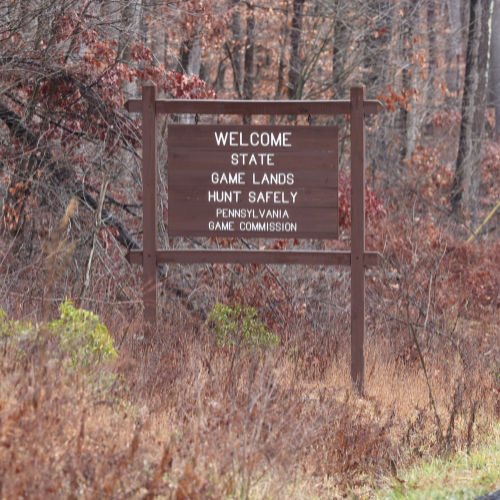
No, you generally cannot camp overnight on State Game Lands in Pennsylvania unless you are a hunter actively engaged in legal hunting during specific open seasons.
Planning a trip outdoors often brings up questions, especially regarding where you can set up camp. So, can you camp on state game lands in pa? This query is crucial for anyone wanting to spend time in Pennsylvania’s wild spaces. Understanding the rules prevents accidental violations and ensures the preservation of these areas. It’s important to distinguish game lands from other types of public lands because the regulations differ.

Can You Camp on State Game Lands in PA?
Pennsylvania’s state game lands are big areas of land set aside for animals and hunting. They’re also pretty tempting places to want to camp, especially if you love being outdoors. But, before you pack your tent and sleeping bag, it’s super important to know the rules. Camping on state game lands in Pennsylvania isn’t as simple as just pitching a tent anywhere you like. There are specific regulations, and these rules are there to protect the animals and the land. It’s crucial to be aware of what’s allowed and what’s not to avoid getting into trouble.
Understanding State Game Lands
State game lands are bought and managed by the Pennsylvania Game Commission. These lands are primarily for wildlife habitat and hunting. Because of that, they have rules that might be different from state parks or national forests. Think of them as places primarily for the animals, with a little bit of room for us humans when we follow the instructions. Understanding this main purpose of game lands is the first step to knowing how we can use them safely and responsibly.
The General Rule: No Camping
The general rule regarding camping on Pennsylvania state game lands is that it is generally not permitted. This might sound disappointing if you were hoping to camp in these areas. However, there’s more to the story. While overnight camping in tents and recreational vehicles is usually not allowed, there are a few exceptions which we will go over below.
Exceptions to the No-Camping Rule
While overnight camping is generally restricted, there are a few limited scenarios where camping on state game lands is permitted. These exceptions usually involve those who are hunting or participating in specific programs. Here’s a deeper look at these exemptions:
Camping While Hunting
A major exception to the no camping rule is for individuals who are actively engaged in hunting. This means that hunters can camp on state game lands when they’re involved in a permitted hunting activity. But it’s not just a free-for-all. There are very specific rules:
- Time Limit: The camping is only allowed during the hunting season when the person is actively hunting. You can’t set up camp weeks in advance or stay weeks after the season is done.
- Location: Campsites should be established in areas that do not cause resource damage, and it is not permissible to camp in fields or parking lots. Select an area that is already cleared or on land that is durable.
- Type of Camping: This usually means camping in a tent. Recreational vehicles and trailers are generally not allowed, unless specific designated areas that permit these types of vehicles are available. Check with the Game Commission for specific information.
- Self-Sufficient Camping: Hunters who camp on game lands need to be completely self-sufficient. This means bringing their own water, food, and waste disposal supplies. There are very limited services available on game lands.
- Proper Permits: Obviously, hunters must have the required licenses and permits for hunting activities. Camping is just an additional element that is tied to legal hunting.
Camping for Special Events
Occasionally, the Game Commission may authorize organized group activities that involve overnight camping. These could be organized events, or educational programs. These are usually organized events that receive prior approval from the Game Commission and have specific rules associated with them.
What is Considered “Camping”?
It’s important to define what “camping” means in this context. This is not just about setting up a tent. It also includes activities like:
- Sleeping overnight in a vehicle
- Setting up a campsite with a tent or shelter
- Any activity that involves staying overnight outside of a normal vehicle
The Game Commission considers these overnight stay activities as camping and, therefore, subject to the rules that prohibit it without the exceptions outlined above.
Rules and Regulations: What You Need to Know
The regulations for state game lands are pretty strict, and there are several things you need to know before entering these lands, let alone camping. Always double check with the game commission prior to your entry:
Prohibited Activities
Apart from unauthorized camping, several other activities are not allowed on state game lands. These include, but are not limited to:
- Cutting or removing vegetation: No cutting down trees or gathering plants. You should leave the environment as you find it.
- Littering: Always pack out everything you bring in, this include trash and food items
- Building permanent structures: Building any type of permanent shelter is not allowed.
- Target shooting outside designated areas: Target shooting is only permitted in specific designated areas.
- Using motorized vehicles off designated roads: Do not drive ATVs, UTVs, or any other off-road vehicles on the lands.
- Alcohol consumption: Alcoholic beverages are generally prohibited on State Game Lands.
Permitted Activities
These are some activities that are permitted on game lands:
- Hiking and wildlife observation: Exploring the lands through hiking is permitted and encouraged to appreciate wildlife.
- Hunting and trapping: These are the primary purposes of the lands and are allowed during respective seasons.
- Fishing: If you have the proper fishing license you are generally allowed to fish in game lands where permitted.
- Photography: Capturing nature on film is permitted and a great way to remember your experiences.
How to Camp Legally While Hunting
If you are a hunter and are allowed to camp, it’s essential that you follow these rules carefully:
Leave No Trace Principles
The key to being a responsible outdoorsman on State Game Lands is to follow “Leave No Trace” principles:
- Pack It In, Pack It Out: Don’t leave any trash or waste behind.
- Minimize Campfire Impact: When campfires are permitted, make sure they are small and contained. Be aware of fire dangers and conditions.
- Stay on Existing Trails: When walking, use established trails. Don’t make new ones.
- Respect Wildlife: Observe animals from a distance. Don’t feed them or disturb their habitats.
- Be Considerate of Others: Keep the noise down and be polite to other people in the area.
Choosing Your Campsite
When selecting your campsite, make sure you are following all rules and make sure the area is suitable.
- Avoid Sensitive Areas: Stay away from wetlands, streams, and areas with fragile vegetation.
- Use Existing Sites: If a previous campsite exists, use it instead of creating a new one.
- Set up off trails: Do not camp on the actual trail paths.
Managing Waste
This is a very important part of being a responsible camper. Here’s a breakdown:
- Pack out all trash: All waste must be packed out, including food items. Do not bury or leave any waste behind.
- Dispose of Human Waste Properly: If there are no restroom facilities available, be sure to bury your human waste in a cat hole at least 6 inches deep and away from water sources and camp sites.
Be Aware of Wildlife
State game lands are homes for wildlife. You should be aware of the types of animals and keep a respectful distance. You should also be aware of hunting seasons. When hunting is taking place, take extra precautions by wearing bright colors and staying safe. Keep all food secure and away from animals.
Why Are These Rules in Place?
It might seem strict, but the rules are there for a good reason. The Pennsylvania Game Commission wants to preserve the lands for wildlife and hunters. Keeping the land in its natural state is important for the animals and the ecosystem. Allowing unrestricted camping could easily lead to damage, which would hurt the animals and the hunting experience. This also helps protect the safety of everyone who uses the game lands.
Designated Camping Areas
There are designated areas within Pennsylvania that offer camping, including certain state park and forestry areas. If you cannot camp in game lands, you should consider these designated areas. Here are a few things to remember.
State Parks
Pennsylvania’s state parks often have designated campgrounds with facilities like restrooms, running water, and picnic tables. These are great options for folks wanting a more traditional camping experience. These areas typically require reservations, and fees may be associated with your stay. Make sure to check with the department of conservation and natural resources.
State Forests
State forests, which are separate from state game lands, often have primitive camping available. These areas are a little less developed than state parks, but they allow camping. You often have to be self-sufficient when camping in these areas. Camping is often free or has a very minimal fee associated with it. Check with the Pennsylvania Department of Conservation and Natural Resources for rules and regulations in each forest area.
Alternatives to Camping on Game Lands
If you can’t camp on state game lands, there are other options you can explore. Consider using one of the following:
Private Campgrounds
Many privately-owned campgrounds are located near state game lands and other outdoor destinations. These campgrounds often offer full amenities like bathrooms, showers, and sometimes even swimming pools. Be sure to check reviews and make reservations in advance for a more worry-free experience.
National Forests
National Forests offer dispersed camping, which can be a great option for those seeking a more primitive experience. It is important to check the rules and regulations for national forest areas. Often, they are similar to Pennsylvania rules, but they can vary on location.
Backpacking in State Forests
Backpacking in state forest areas is permitted and a great way to explore some beautiful areas of Pennsylvania. Often you can hike in and set up a backcountry campsite. Always check specific rules for each area prior to hiking.
Getting More Information
The best way to make sure you’re following the rules is to contact the Pennsylvania Game Commission directly. You can call them or visit their website for the most current information. Also, check for updated rules and regulations whenever you are planning a visit to any state lands.
- Pennsylvania Game Commission Website: The website has a wealth of information about regulations, maps, and more.
- Regional Game Commission Offices: The regional offices can answer specific questions you have about local areas.
- Hunting Digests: The yearly hunting digests have a lot of the rules and regulations in writing.
Always make sure the information is correct by checking the source directly. Rules and regulations can change periodically, and it’s important to stay updated.
In summary, while you can’t typically camp on state game lands in PA without being a hunter actively engaged in hunting, there are a few very specific exemptions. It is critical to know and follow the regulations to help protect the land and wildlife. If you are looking for a camping experience, there are many other available options such as state parks, state forest, private campgrounds and national forests. Always remember to practice “Leave No Trace” and treat the outdoors with respect. Be sure to do your research ahead of time, and always get the most updated information on the area you intend to visit.
Sept 15th: State Game Lands #57 campsite, Pennsylvania
Final Thoughts
Therefore, the answer to “can you camp on state game lands in pa” is typically no, with very limited exceptions for permit holders during specific hunting seasons. Most camping is forbidden on Pennsylvania’s game lands to preserve wildlife habitats. This rule encourages responsible use of these public areas. You must obtain the necessary permit if you wish to camp.
Always check current regulations before planning any trip. You must respect the rules to keep these lands available for everyone. These policies promote conservation efforts.

