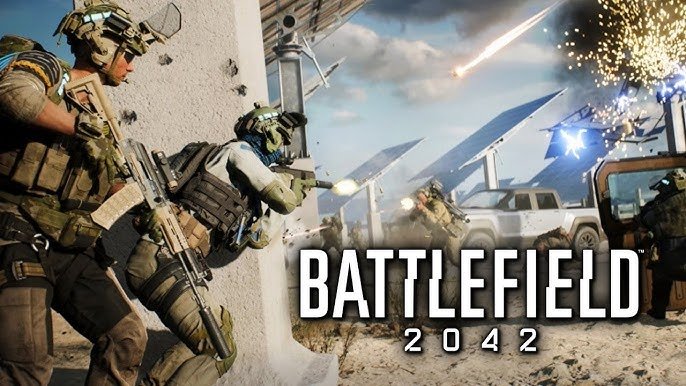
Hazard Zone in Battlefield 6 is a high-stakes, squad-based mode focused on data extraction against AI and player opponents, emphasizing tactical gameplay and resource management with a risk-reward system.
Remember Hazard Zone? The extraction-based game mode once envisioned for Battlefield 2042? We’re diving deep.
This is a detailed review of the Hazard Zone game mode in Battlefield 6 (or rather, what Battlefield 2042’s Hazard Zone should have been!). We’ll analyze its core mechanics.
We’ll examine what worked, what didn’t, and how the concept could be revitalized in future Battlefield installments. Was it a missed opportunity? Let’s explore.

Detailed Review of the Hazard Zone Game Mode in Battlefield 6
Hazard Zone, introduced in Battlefield 2042, presented a distinct departure from the franchise’s traditional conquest and team deathmatch modes. This squad-based survival experience mixed high-stakes extraction with intense PvPvE combat. Let’s dive into a thorough analysis of its features, gameplay, and reception.
Hazard Zone: The Basics
Hazard Zone was a unique game mode centered around collecting data drives scattered across the map. Teams of four players would infiltrate the zone, gather these drives, and successfully extract before being eliminated. This contrasted heavily with the large-scale battles Battlefield is known for.
Successful extractions earned players Dark Market Credits, used to purchase better gear and specialists for subsequent runs. Failure meant losing everything. This created a risk-reward loop that added tension and excitement.
Core Gameplay Loop
The core gameplay loop consisted of preparation, infiltration, data retrieval, and extraction. Each phase presented its own challenges and required strategic decision-making. The dynamic weather and unpredictable enemy spawns further complicated matters.
Preparation Phase
Before deploying, players had to carefully select their specialist and equip them with weapons, gadgets, and tactical upgrades. This preparation phase was critical. It allowed teams to tailor their loadout to the map and expected threats.
Infiltration Phase
Teams then parachuted into the Hazard Zone. They needed to quickly assess their surroundings. Scavenging for gear and locating data drives was paramount.
Data Retrieval
Finding and securing data drives was the primary objective. These drives were often located in heavily guarded areas. They were protected by AI-controlled forces or contested by rival squads.
Extraction
Once enough data drives were collected, teams had to reach one of the extraction zones. These zones were only active for a limited time. This forced teams to make difficult choices about when and where to extract.
Successfully extracting with data drives earned Dark Market Credits. Failing to extract meant losing everything.
Specialists and Loadouts
Specialists played a crucial role in Hazard Zone. Their unique abilities and gadgets could significantly impact a team’s success. Choosing the right combination of specialists was essential for effective teamwork.
Different specialists excelled in different roles. Some were better suited for reconnaissance. Others were more effective at combat or support.
Effective loadouts were also critical. Choosing the right weapons, gadgets, and tactical upgrades could give a team a significant advantage. Players frequently experimented with different loadouts to optimize their performance.
The Dark Market
The Dark Market was the in-game store where players could spend Dark Market Credits. These credits, earned through successful extractions, were used to purchase better gear and specialists. The Dark Market offered a wide range of items. These items included weapons, gadgets, and cosmetic upgrades.
The prices in the Dark Market varied depending on the item’s rarity and effectiveness. This created an economy within the game mode.
Players carefully managed their Dark Market Credits. They strategically invested in gear that would improve their chances of success in future runs.
AI Enemies and Environmental Hazards
Hazard Zone featured both AI-controlled enemies and environmental hazards. These elements added an extra layer of challenge to the gameplay. They forced players to adapt their strategies on the fly.
AI enemies patrolled the map, guarding data drives and extraction zones. Their behavior was unpredictable. This made them a constant threat.
Environmental hazards included severe weather conditions. These impacted visibility and movement. They further complicated the extraction process.
Map Design and Dynamics
The maps in Hazard Zone were designed to be dynamic and unpredictable. They encouraged players to explore and adapt to changing conditions. The weather systems played a significant role in this.
Random events, such as vehicle drops and supply caches, occurred throughout the match. These events provided opportunities for teams to gain an advantage. However, they also attracted attention from rival squads.
The map’s verticality also played a role. Players could use rooftops and high ground to gain a tactical advantage.
Criticisms and Reception
Hazard Zone received mixed reviews from players and critics. While some praised its unique gameplay and high-stakes tension, others criticized its lack of content and perceived repetitiveness. The small player base was also a concern.
Many felt the mode lacked the depth and variety of other Battlefield game modes. Some players found the core gameplay loop to be repetitive after a while. The limited number of maps and specialists also contributed to this feeling.
The game mode also suffered from matchmaking issues due to the low player count. This made it difficult for players to find matches. It ultimately contributed to its decline in popularity.
Improvements and Potential
Despite its criticisms, Hazard Zone had the potential to be a successful game mode. With more content, improvements to matchmaking, and refinements to the gameplay loop, it could have become a more engaging and rewarding experience. Addressing player feedback was crucial for the mode’s long-term success.
Expanding the number of maps and specialists would have added more variety to the gameplay. This would keep players engaged for longer. Introducing new AI enemy types and environmental hazards would also increase the challenge and replayability.
Improving the matchmaking system would have helped to address the low player count. This would allow players to find matches more easily. It would make the mode more accessible.
Refining the gameplay loop and addressing balance issues would also improve the overall experience. This would make the mode more enjoyable for a wider range of players.
Comparison to Other Extraction Shooters
Hazard Zone attempted to carve a niche in the extraction shooter genre, alongside games like Escape From Tarkov and Hunt: Showdown. It offered a more accessible and streamlined experience compared to these hardcore titles. However, it ultimately lacked the depth and complexity that made those games so popular.
Escape From Tarkov is known for its realistic gunplay and intricate loot system. Hunt: Showdown features a unique blend of PvP and PvE combat in a dark and atmospheric setting.
Hazard Zone offered a more arcade-like experience with a focus on teamwork and tactical decision-making. However, it lacked the persistent progression and detailed customization options found in other extraction shooters.
The Future of Hazard Zone
Unfortunately, Hazard Zone received limited post-launch support. It never reached its full potential. EA and DICE ultimately decided to focus their efforts on other aspects of Battlefield 2042. The mode essentially faded into obscurity.
While Hazard Zone may not have been a resounding success, it demonstrated a willingness to experiment with new gameplay mechanics. It showed a departure from the traditional Battlefield formula. The lessons learned from its development could potentially inform future Battlefield titles.
The concept of squad-based extraction with a focus on risk-reward decision-making is an interesting one. It could be revisited in future games.
Is Hazard Zone worth the money? Battlefield BR Full Gameplay & Impressions by P4wnyhof
Final Thoughts
In short, Hazard Zone delivers a unique, extraction-based experience within the Battlefield universe. Player coordination and smart resource management are must for success.
This mode brings tense gameplay with high stakes.
After a detailed review of the Hazard Zone game mode in Battlefield 6, the verdict is a qualified success. While the core concept is strong, some balancing issues and limited content prevent it from reaching its full potential.