
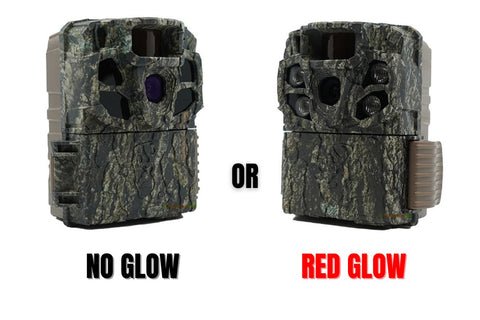
Some game cameras do flash, while others use infrared technology for nighttime illumination without a visible flash.
Wondering if you’ll scare away wildlife with a bright flash? Many people ask, “do game cameras flash?”. It’s a valid concern for anyone wanting to capture natural animal behavior. The answer isn’t always straightforward, as different models use varying methods for nighttime photography.
Some game cameras employ a traditional flash, similar to a regular camera, to provide ample light. These cameras are effective but their flash can indeed spook some animals. However, there are alternatives.
Infrared game cameras offer a covert solution. These cameras use infrared light that is invisible to most animals, preventing any noticeable flash during nighttime recordings. This allows for more natural animal footage.

Do Game Cameras Flash? Unveiling the Secrets of Trail Camera Illumination
The question of whether game cameras, also known as trail cameras, flash is a common one, especially for those new to the world of wildlife observation or property security. The simple answer is: it depends. Not all game cameras flash, and even those that do use different types of light that vary in their visibility. Understanding these differences is key to selecting the right camera for your specific needs and knowing how it might impact the animals you’re hoping to capture on film or the security purposes you want to achieve.
The Two Main Types of Game Camera Illumination
Game cameras primarily use two types of illumination for nighttime photography: infrared (IR) and white flash. These two approaches offer very different advantages and drawbacks, impacting visibility for both animals and humans.
Infrared (IR) Illumination: The Stealthy Option
Infrared illumination is by far the more common type of lighting used in game cameras today. It operates using light wavelengths beyond what human eyes can see, making it much less noticeable. There are two main categories of IR flash you’ll encounter:
Low Glow IR
Low glow IR, sometimes referred to as “standard” IR, emits a faint red glow when activated. While this glow is not extremely bright, it’s still visible to the human eye, especially in complete darkness. Animals with good night vision can also likely detect the faint red glow. This type of illumination uses a lower-powered infrared light, which extends battery life and offers a balance between visibility and stealth. This IR system is a workhorse for many trail camera users because it is reliable.
- Pros: Longer battery life compared to no-glow, greater range of visibility than no-glow.
- Cons: Visible red glow, may spook skittish animals at very close range, and slightly more detectable for humans.
This kind of IR flash allows the camera to capture a broader scene. The low glow IR is best when you want to capture a general idea of what is moving around your area, and you don’t need an ultra-stealth operation.
No Glow IR
No glow IR, also known as “black flash,” is designed to be completely invisible. It uses higher-frequency infrared light that doesn’t produce any visible glow. This makes it incredibly challenging for both animals and humans to detect that the camera is capturing images. This type of IR light is used for security purposes and for getting close-up shots of animals without startling them. Cameras with no-glow IR technology do use more battery power.
- Pros: Completely invisible to both humans and animals, ideal for sensitive areas or skittish wildlife.
- Cons: Shorter battery life, often has a shorter range of visibility than low-glow IR.
The no-glow IR system is favored by many wildlife photographers and researchers for this reason. It is the best choice when capturing images or videos without disturbing the natural environment.
White Flash: The Traditional Approach
White flash is a more traditional type of illumination, similar to that used in standard cameras. When triggered, the camera will emit a bright burst of white light. The intensity of the flash can help capture more vibrant, full-color images, but it comes with some big drawbacks.
- Pros: Bright and clear, full-color night images, excellent for detail and identification.
- Cons: Very noticeable to both humans and animals, can easily spook wildlife, and very intrusive to any environment.
While the bright, full-color pictures produced by a white flash camera might look impressive, many trail camera users avoid them because the flash easily startles wildlife. White flash can be a good option if you need to get high-quality photos in a security setting or for purposes where you don’t need to keep a low profile. White flash is typically only found on the most basic, or older model cameras.
Why the Type of Flash Matters
Choosing the right type of illumination is crucial for getting the results you want. The perfect illumination will depend on what you plan to capture, how you will use the pictures or videos, and where the camera will be placed.
Impact on Wildlife
Animals can be easily startled by bright flashes of light. Even the faint red glow of low-glow IR might be enough to spook certain animals. When placing your trail camera in a natural habitat, it’s essential to consider how your camera’s illumination might disrupt the natural behavior of wildlife. The goal is to observe wildlife in their natural environment, not interfere with it.
- No Glow IR: Least disruptive to wildlife, best for observing natural behavior.
- Low Glow IR: May cause slight disturbance, depending on the animal.
- White Flash: Most disruptive to wildlife, likely to cause animals to flee the area.
Think about the specific species you’re hoping to capture and their typical behavior patterns when selecting your camera. If your target is skittish species, using no-glow IR is crucial to avoid detection.
Impact on Security
For security purposes, the visibility of the flash has significant implications. If you’re trying to catch an intruder, a white flash can be a helpful deterrent as it will signal the camera’s presence. On the other hand, a no-glow IR camera can provide stealthy surveillance without drawing attention to the camera. Consider whether you are more concerned with immediate deterrence, or capturing the image of an intruder.
- No Glow IR: Ideal for covert surveillance, capturing footage without alerting anyone.
- Low Glow IR: Still relatively discreet but might be noticeable at very close range.
- White Flash: Good for immediate deterrence but can make the camera obvious.
Battery Life Considerations
The type of illumination also significantly impacts battery life. IR illumination, especially no-glow, tends to consume more power than low glow IR. White flash, while typically not used in newer models, uses a good deal of battery power due to the powerful light it creates. If you are placing cameras in remote locations, this will be important when you select your camera.
- No Glow IR: Highest battery consumption, requiring more frequent battery changes.
- Low Glow IR: Moderate battery consumption, providing a good balance between visibility and power.
- White Flash: High battery consumption due to the high intensity of the flash.
When selecting a trail camera, always check the estimated battery life for different flash settings. Choosing a camera that balances battery life with your lighting needs will ensure a better user experience.
Factors Affecting Visibility of Game Camera Flash
Several factors influence how visible a game camera’s flash might be, regardless of the type of illumination used.
Distance to the Subject
The closer an animal or human is to the camera, the more noticeable the flash might be. With both IR and white flash, a closer subject will experience more light than a distant one.
- Close Range: IR and white flashes become more visible, increasing the chance of detection by animals or humans.
- Longer Range: While the flash’s range is a benefit, it also makes detection more difficult for the camera, leading to less clear images.
Camera placement is important. You should place the camera so that it captures a wide area, without having the camera so close that it could easily be detected.
Ambient Light Conditions
The amount of ambient light in the area will influence how noticeable the flash is. On a very dark night, any light source will be more obvious, while a night with a full moon will have some light already present.
- Very Dark Nights: Even the smallest amount of light, such as low-glow IR, will become more noticeable.
- Moonlit Nights: The flash might be less apparent due to the existing natural light.
Ambient light conditions will not completely negate the flash. All flash systems will be most apparent when there is the least amount of other lighting, however.
Camera Technology and Quality
The technology and quality of the camera itself will play a role. More advanced cameras are designed to produce better images with less flash visibility. The quality of the IR LEDs, in particular, can vary considerably between different models.
- High-Quality Cameras: Typically use more advanced LEDs and better software to produce cleaner, more focused illumination with less visible light emission.
- Basic Cameras: May use less sophisticated components, resulting in less efficient lighting and a more visible flash.
Investing in a camera with a good reputation and advanced lighting features will help in getting better results. This does not always mean the most expensive camera, but it means looking for a camera with high reviews and good user ratings.
Tips for Reducing Flash Visibility
Regardless of the type of flash your camera uses, here are a few tips to minimize its visibility:
- Use Camera Placement: Use trees, shrubs, or other objects to partially conceal the camera.
- Select a Lower Sensitivity: Reduce the sensitivity of the motion sensor to avoid excessive triggering and wasted flashes.
- Adjust IR settings: Reduce the IR intensity if possible to lower the visibility of the flash, especially for low-glow IR cameras.
- Utilize the Camera’s Settings: Take time to configure all available setting to match your specific requirements and goals.
- Monitor Your Camera: Routinely check your camera’s performance and battery levels.
These tips, along with a careful consideration of your camera’s flash, can significantly improve the user experience.
Choosing the Right Camera for Your Needs
With all this in mind, consider what your goals are for using a game camera. If you are wildlife enthusiast, getting the stealthiest camera may be your best bet. If you are trying to catch trespassers, a white flash may be okay, or even ideal.
| Feature | No Glow IR | Low Glow IR | White Flash |
|---|---|---|---|
| Visibility | Completely Invisible | Faint Red Glow | Very Visible White Light |
| Wildlife Impact | Minimal Disturbance | Slight Disturbance | High Disturbance |
| Security Impact | Covert Surveillance | Relatively Discreet | Deters Intruders |
| Battery Life | Lowest | Moderate | Lowest |
| Picture Quality | Good, Black and White | Good, Black and White | Good, Color |
By understanding each type of flash system, you will be able to better select your next camera.
Understanding whether a game camera flashes is essential to making an informed purchase and utilizing the camera to its full potential. Whether you need stealthy surveillance, unobtrusive wildlife photography, or simple home security, the type of camera you choose can make a big difference.
BEFORE you buy a Trail Camera: Truths vs Misleading Advertising! What to look for in a good Game Cam
Final Thoughts
Many game cameras use infrared LEDs, producing light invisible to humans and most animals, thus they do not flash visibly. Some older or less advanced models do use white flash, making it very obvious when triggered. Whether your game camera flash depends entirely on the type of light source it employs.
So, the key question remains: do game cameras flash? Generally, those utilizing infrared do not produce a visible flash, whereas some cameras with white light do create an obvious flash.

