
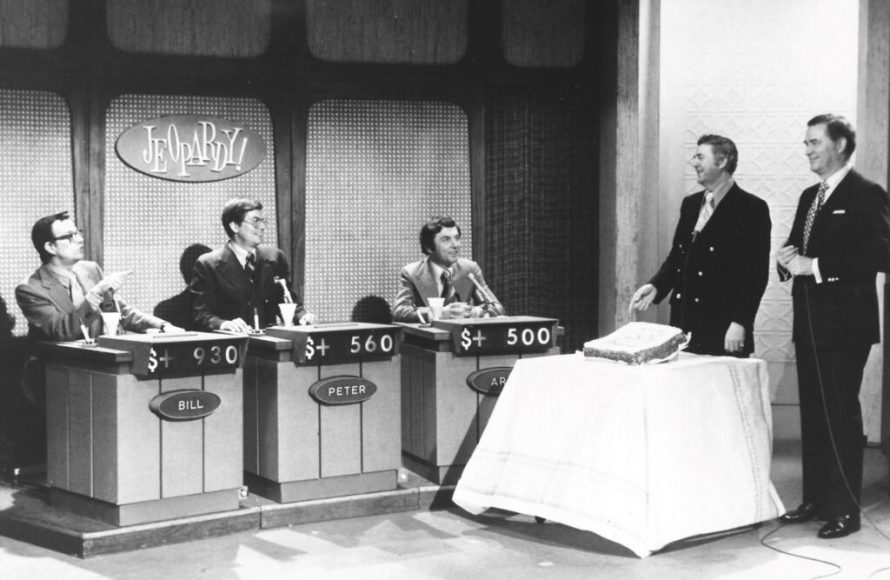
No, generally game shows do not give contestants answers before the show.
Have you ever watched a game show and wondered if the contestants are as clueless as they seem? The suspense and the drama often make us question the authenticity behind the scenes. People frequently ask, “do game show give contestant answers before”? It’s a fair question, considering the high stakes and the seemingly effortless brilliance some contestants display.
While some may imagine a secret playbook given to contestants before the cameras roll, the reality is much simpler. The fairness of these shows relies on the element of surprise and genuine knowledge, or lack thereof. The excitement and unpredictability are part of the appeal.

Do Game Shows Give Contestants Answers Before?
The bright lights, the cheering crowd, the suspenseful music – game shows are a blast to watch! But have you ever wondered what goes on behind the scenes? A common question that pops up is, “Do game shows give contestants answers before?” It’s a juicy question, and the answer isn’t as simple as a yes or no. Let’s explore the exciting world of game shows and see how they really work.
The Integrity of Game Shows: A Core Value
At their heart, game shows want to be fair and fun. They strive to create a level playing field where everyone has a chance to win based on their knowledge and quick thinking. Giving contestants answers ahead of time would completely ruin the whole point of the competition, turning it from a genuine test of skill into something fake. That’s why honesty and integrity are so important to game shows.
The Different Types of Game Shows and How They Work
To understand if contestants get answers early, it helps to know about different kinds of game shows. Some shows are all about trivia and general knowledge, like “Jeopardy!” In these types, questions are designed to test what you already know. There are also game shows that focus on wordplay, like “Wheel of Fortune,” or strategy, such as those involving puzzles or decision-making. Each kind of show has its own way of choosing questions and making sure they’re fair. No matter the type, the goal is always to let the best player win based on their genuine skills.
Trivia-Based Game Shows
These are shows where players answer questions about a wide range of topics, testing their memory and knowledge. Think of shows like “Who Wants to Be a Millionaire?” or “Pointless.” Here’s how they maintain integrity:
- Question vetting: The questions and answers are carefully checked by a team to make sure they are clear, accurate, and don’t have any errors.
- Random selection: Questions are picked from a very large pool, often through a computer system, to ensure that contestants don’t get the same questions every time or have an unfair advantage.
- No prior access: Contestants definitely do not see the questions or answers before the show begins. This ensures a fair challenge for everyone.
Wordplay and Puzzle Game Shows
These kinds of shows, like “Wheel of Fortune” or “Lingo,” are focused on words, phrases, and puzzles. They follow a different but equally fair approach:
- Pre-set puzzles and phrases: The puzzles or phrases used on the show are created in advance. The game show team makes sure they’re not too easy or too hard for the players.
- Random selection of categories: The category the puzzle or phrase belongs to is often selected randomly. Players might know the categories beforehand, but never the exact puzzles. This prevents anyone from knowing exactly what’s coming.
- Limited information: While contestants know the category and the number of letters, they can’t see or hear the full puzzle until it’s their turn to play. This ensures that the game is about solving the puzzle based on limited information, and not prior knowledge.
Strategy and Decision-Making Game Shows
These shows are less about trivia and more about how you play the game. For instance, shows where you make choices to win money or avoid penalties. Examples include shows like “Deal or No Deal”. Here’s how they stay fair:
- Random prize placement: For games like “Deal or No Deal,” the money amounts are hidden randomly. This makes sure no one knows where the big prize is located ahead of time.
- Fixed rules and procedures: Every player follows the same set of rules. This guarantees fairness to all participants and prevents anyone from cheating.
- Careful oversight: A team carefully watches the game to make sure everything is done according to the rules and no one is getting an unfair advantage.
The Importance of Auditions and Casting
Game shows spend a lot of time carefully choosing their contestants. They have auditions to make sure the people they pick are good at the game and fun to watch. They also want people who are fair and will play by the rules. So the selection process is very important in ensuring the fairness of game shows.
- Skill testing: Auditions often include quizzes or mock game rounds to see how quickly and accurately potential contestants respond.
- Personality assessments: Game shows look for people who are engaging and good on camera, which can impact how fun the show is to watch.
- Background checks: To protect the show’s integrity, they might check that contestants don’t have any conflicts of interest, like a close relationship to someone working on the show.
Practice and Preparation
While game shows don’t give answers, they often provide some resources that will help contestants prepare for the competition. These resources don’t tell you answers in advance, but they help you understand how the game is played:
- Tutorial videos: Some shows might give contestants videos that explain the rules and how to play the game effectively.
- Practice rounds: Before the show begins, players may have the chance to play practice rounds. It helps them get comfortable with the setup and how to react during the real competition.
- Rulebooks: Contestants get access to the official rules of the show. This helps everyone play the game fairly and understand how to win.
The Role of the Game Show Team
The people working on a game show also play a huge role in making sure everything is fair. They have specific jobs that help protect the integrity of the game:
- Writers and Researchers: They come up with all the questions and puzzles. They make sure these are accurate and fair for everyone.
- Producers and Directors: These team members oversee the entire game show. They make sure everything goes according to the plan and rules.
- Judges and Referees: Some game shows have judges who make sure the rules are followed correctly. They also decide if a player answered correctly. They act like referees to keep everything fair.
The Technology Used to Maintain Fairness
Game shows use computers and other technology to ensure there is no possibility of cheating. For example, the software can choose random puzzles, questions, and prize locations. This way, the process is completely random and fair.
- Random number generators: These are computer programs used to randomly choose things. In the game show, this can be used for choosing the questions or order of play.
- Secure systems: Game shows use computer systems that are protected against tampering, meaning people can’t change or manipulate the system.
- Video and Audio recording: The games are recorded from beginning to end. These records can be used to check that the rules are followed and that no one cheated.
What Happens if Rules Are Broken?
Game shows take cheating very seriously. If a player breaks the rules, they can be penalized, which means they might not win the game or get a prize. If a problem occurs, there are steps taken to correct it. This means they check everything carefully to make sure the game is fair for everyone.
- Disqualification: Players who are caught cheating are often removed from the game and do not get to compete any more.
- Review and investigation: The team will look into the issue thoroughly to find out if rules were broken and what needs to be done to fix it.
- Corrective Actions: Depending on what happened, game shows may rerun a segment, make a rule change, or take other steps to make sure fairness is maintained.
The process of creating a game show is very detailed and rigorous. All aspects are designed to ensure fairness and fun. While it might be interesting to think that contestants know the answers, it simply isn’t the case. The challenge and excitement of game shows come from the actual gameplay, not knowing the answers in advance.
The key take away is, the fun in watching a game show is seeing contestants think on their feet, use what they know, and sometimes take lucky guesses. This makes the show exciting and unpredictable. Game shows work hard to make sure they are a fair test of skill, not pre-arranged for someone to win.
Wheel of Fortune contestant's awkward answer makes Pat Sajak drop his cards
Final Thoughts
Ultimately, game shows generally do not provide contestants with answers beforehand. This maintains fairness and the competitive spirit, as the element of surprise is a must. The thrill comes from answering under pressure.
Some shows might offer practice rounds, but these usually contain different questions. This helps contestants familiarize themselves with the format. So, the key question remains: do game show give contestant answers before? Absolutely not.

