
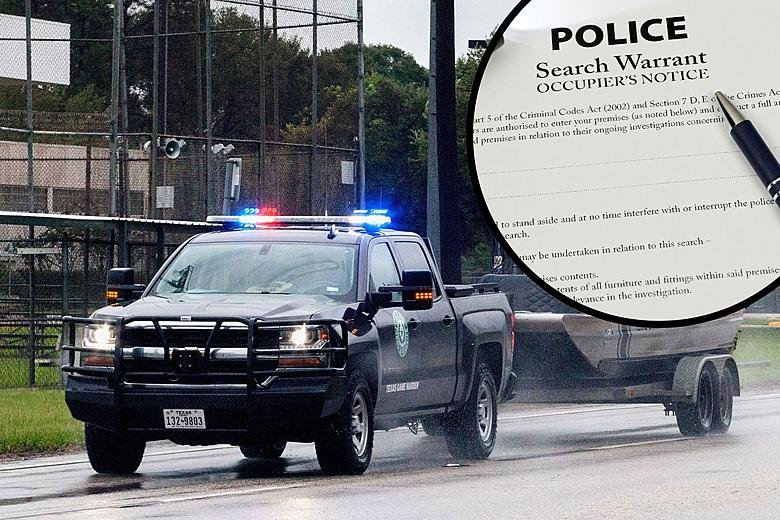
Game wardens generally do not have more power than police, their authority is focused on wildlife and natural resource law enforcement, whereas police have broader jurisdiction.
Ever wondered if someone protecting the deer has the same authority as someone patrolling the streets? The question of “do game wardens have more power than police” often sparks debate. This isn’t about a simple comparison, but understanding the different scopes of their legal authority. It’s a fascinating look into how law enforcement branches out.
We’ll explore the nuances of their specific roles. Both groups are essential to keeping order, but they operate in different arenas. Let’s examine what these distinctions mean in terms of power and jurisdiction.

Do Game Wardens Have More Power Than Police?
The question of whether game wardens have more power than police officers is a tricky one. It’s not a simple yes or no answer. Instead, it’s more about understanding the different roles they play and the specific laws they enforce. Both game wardens and police officers are law enforcement officials, but their jobs are very different, and their authority is defined by those differences. Let’s take a deeper look into what each of them does and how their powers compare.
Understanding the Roles
To compare their powers, we first need to know what each officer does. Think of it like this: police officers are like the general doctors of law enforcement, while game wardens are like the specialists.
What Do Police Officers Do?
Police officers have broad authority. They enforce a wide range of laws, from traffic violations to serious crimes like theft and assault. Their job includes:
- Responding to emergencies, like car accidents or burglaries.
- Investigating crimes, gathering evidence, and making arrests.
- Patrolling neighborhoods to prevent crime and maintain order.
- Controlling traffic and enforcing traffic laws.
- Interacting with the public to help keep the community safe.
What Do Game Wardens Do?
Game wardens, on the other hand, are focused on the environment and wildlife. They are sometimes called conservation officers or wildlife officers. Their responsibilities include:
- Enforcing hunting and fishing laws and regulations.
- Investigating wildlife crimes, such as poaching (illegal hunting) or illegal logging.
- Protecting endangered species and their habitats.
- Educating the public about conservation and wildlife safety.
- Managing and protecting natural resources, like forests, rivers, and lakes.
- Working to keep natural areas safe for people to enjoy.
Areas of Authority and Jurisdiction
The area where each officer has authority is another key difference. Jurisdiction refers to where they can legally enforce the law.
Police Officer Jurisdiction
Police officers usually have jurisdiction within a specific area, like a city, town, or county. City police officers are primarily in charge within their city limits, while county sheriffs work across a whole county. They work in areas with lots of people, roads, and buildings.
Game Warden Jurisdiction
Game wardens often have jurisdiction over a larger area, frequently encompassing entire states or regions. Their focus is usually on natural areas, including forests, lakes, rivers, and wildlife management areas. Some game wardens might patrol a national park, while others focus on state-managed lands. Their work also takes them to private property with certain restrictions, so that they can enforce hunting and fishing laws on those lands, but usually with consent or a warrant.
Power of Enforcement: A Closer Look
Now let’s get to the heart of the matter: enforcement powers. Both police officers and game wardens can make arrests, write citations, and seize evidence, but the scope of these powers is different based on their roles.
Arrest Powers
Both police officers and game wardens can arrest people who break the law. However, the laws they enforce are very different. A police officer might arrest someone for speeding, theft, or assault, while a game warden might arrest someone for illegally hunting deer, fishing without a license, or polluting a river. The power to arrest isn’t what makes one “more powerful” than the other; it’s the reason for the arrest.
There are some gray areas. For example, if a police officer sees someone illegally dumping garbage in a park, they might have the authority to intervene even though it is related to environmental law. On the flip side, a game warden might have to call in the police if they come across a major crime outside of their focus.
Search and Seizure
Both police officers and game wardens can search and seize property if they have probable cause or a search warrant. Probable cause means there’s a good reason to believe someone broke the law. For example, if a game warden hears gunshots in a closed hunting area, they have probable cause to investigate. Both game wardens and police officers must follow proper procedures to avoid violating someone’s rights.
Game wardens may have broader search authority in some cases when dealing with hunting or fishing infractions. For example, game wardens may be able to check hunting licenses or coolers with fish without having to prove a crime has been committed first, whereas a police officer usually would require some kind of suspicion. These powers are specific to their area of expertise and are intended to protect natural resources.
Use of Force
Both game wardens and police officers have the authority to use force when necessary, but they should only use the amount of force reasonably required to control a situation. Both are bound by the law in the rules and regulations of the degree of force they can apply. They undergo training in the proper use of force, whether that involves physical control or less-lethal weapons. The use of force in situations that do not need it or using excessive force is not permitted.
The Role of Specialized Knowledge
One key area where game wardens stand out is their specialized knowledge. They’re not just law enforcement officers; they are experts in wildlife biology, natural resources management, and environmental law. This expertise is crucial to their effectiveness and contributes to the idea that their powers may seem more tailored to specific situations.
- Wildlife Biology: Game wardens understand animal behavior, habitat needs, and ecosystems. This knowledge helps them identify illegal activities that might go unnoticed by others.
- Natural Resources Management: They understand how human activities impact the environment and can enforce laws that protect natural resources.
- Environmental Law: Game wardens are trained in laws related to hunting, fishing, pollution, and other environmental concerns.
This specialized knowledge gives them a unique ability to enforce environmental laws effectively. They aren’t just looking for rule breakers; they are also working to protect our natural world. This doesn’t necessarily mean they are more “powerful” in the general sense but that they are extremely effective at their specific jobs.
Comparing Power in Specific Scenarios
Let’s think about some scenarios to better understand how the powers of game wardens and police officers compare.
Scenario 1: Illegal Hunting
Imagine someone is illegally hunting deer out of season on public land. A game warden is likely the primary officer to handle the situation. They have the expertise in knowing when and where hunting is allowed, the types of animals that can be hunted, and what gear can be used. They can investigate the scene, collect evidence, and potentially make an arrest. A police officer might also become involved, particularly if there are other crimes taking place, but the game warden will lead the environmental enforcement.
Scenario 2: A Car Accident
If a car accident occurs in a city, a police officer will almost always be the first responder. They are trained to handle traffic incidents, provide medical assistance, and gather information for the accident report. A game warden might get involved if the accident happens on state land they patrol, but their main responsibility will be to ensure no hunting or fishing laws were broken because of the incident.
Scenario 3: A Robbery
If there is a robbery at a local store, police officers would be in charge of investigating and making an arrest. Game wardens are not trained or responsible for investigating this type of crime. They are typically focused on the conservation laws.
Scenario 4: Illegal Dumping
If someone illegally dumps trash in a forest or on public lands, a game warden would likely be in charge of the investigation and enforcing the anti-dumping laws. If there’s other criminal activity involved, a police officer might be required as well. However, the game warden will handle the environmental aspect of the crime.
Are Game Wardens More Powerful? The Real Answer
So, do game wardens have more power than police officers? The answer is a qualified no. They don’t have more general power, but they do have different powers. Their authority is highly specialized and related to wildlife and environmental laws. It’s not that they can do more than a police officer; it’s that they have different duties with specific authorities.
The idea that game wardens are more powerful often comes from their specific areas of authority and their expert knowledge. They may seem to have broader powers in natural areas because they are the primary enforcers of environmental laws in those locations. However, when it comes to the vast majority of laws, police officers hold more general authority. It’s not a matter of one being more powerful, it’s a matter of each fulfilling their specific role.
The Importance of Cooperation
It’s important to remember that game wardens and police officers work together to maintain order and protect our communities. Game wardens often work with local police to address complex situations and support each other in their shared goal of public safety and conservation. Cooperation is essential for effective law enforcement in any area.
In conclusion, neither game wardens nor police officers are inherently “more powerful” than the other. Instead, they are both integral parts of our law enforcement system, with distinct roles and areas of responsibility. Game wardens are the specialists in wildlife and environmental law, while police officers are generalists with a broader scope of authority. Understanding these differences is the key to comprehending how each helps to maintain safety and order in our communities.
Texas Game Wardens: What You Need to Know
Final Thoughts
Game wardens and police officers have different jurisdictions and authorities. Game wardens primarily enforce wildlife and conservation laws, while police handle broader criminal matters. Power comparison is complex; must it be considered contextually.
The extent of their authority depends on state and federal regulations. Do game wardens have more power than police? It’s not a simple yes or no, their power is specific to their domains.

