
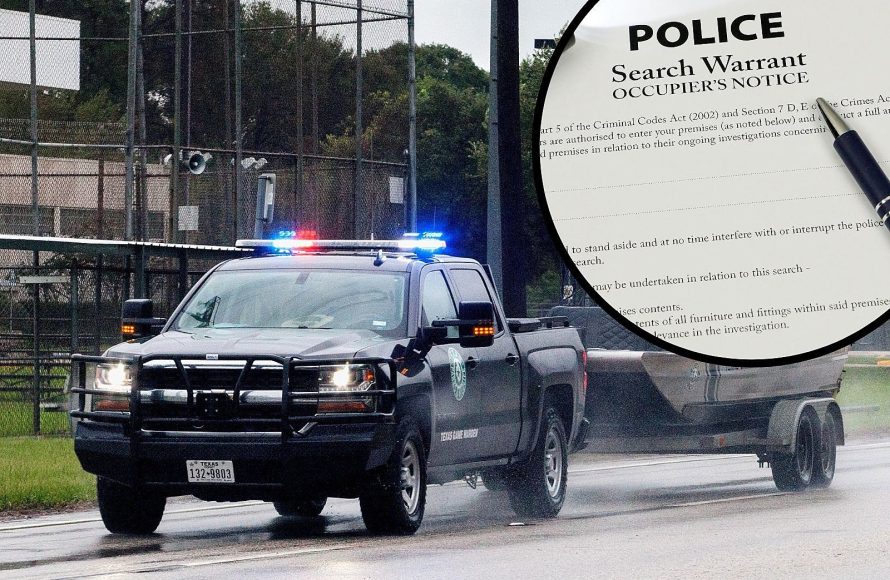
Game wardens generally do not need warrants for routine checks in open areas or when they observe a violation. However, they usually need warrants for entering private residences.
Ever wondered about the extent of a game warden’s authority? The question of whether do game wardens need warrants often arises, especially when considering property rights. It’s a complex issue with some areas more straightforward than others.
Many people assume a blanket rule, but legal precedents reveal a nuanced picture. The need for warrants really depends on the context. Let’s explore the specifics of game warden authority.

Do Game Wardens Need Warrants?
Imagine you’re out fishing, enjoying a peaceful day by the lake. Suddenly, a game warden approaches. You might wonder, “Can they just check my fishing license? Do they need a special paper, like a warrant, to do that?” This question, “do game wardens need warrants,” is a big one, and the answer isn’t always a simple “yes” or “no.” It depends on a few things, like what the warden is doing and where they are doing it. Let’s explore the details.
Understanding the Fourth Amendment
The Fourth Amendment to the U.S. Constitution protects us from unreasonable searches and seizures. This basically means that the government, including law enforcement like game wardens, generally needs a warrant to search your property or take your things. A warrant is like a permission slip from a judge, showing that there is a good reason to believe a crime has happened. This is a fundamental right for all citizens. This is essential to maintaining our civil rights and keeping the system fair. The Fourth Amendment isn’t just a rule; it’s a principle that aims to balance law enforcement’s needs with individual liberty.
What is a Search?
Before diving deeper, it’s important to define what constitutes a “search” under the law. It’s not always what we might think. A search, in legal terms, occurs when the government intrudes upon a person’s reasonable expectation of privacy. What is considered “reasonable” can be tricky, but generally, it means places where people typically believe they have a right to be left alone. For example, your house has a strong expectation of privacy, whereas a public park usually has a much lower one. If something is visible to the public (like something in plain view), it typically isn’t considered a “search” in the legal sense. This distinction is vital when discussing game warden authority.
When Game Wardens Usually Don’t Need Warrants
Here’s where things get a little more specific. There are many situations where game wardens don’t require a warrant to do their jobs. These exceptions are important for the enforcement of wildlife laws. It’s essential to understand these exceptions so you know your rights during an interaction. Game wardens need to be able to do their job effectively to protect wildlife, so these are important for their duties.
Open Fields Doctrine
One big exception is the “open fields” doctrine. This means that things in open, undeveloped areas like forests, fields, and streams, usually have less privacy protection. If you are out hunting, fishing, or hiking on public land, the area is considered open and in plain view. A game warden may enter such areas to ensure that the game laws are followed, for instance, if you’re fishing without a license or taking more than your limit. In these cases, a warrant is generally not needed.
- Public land: This includes national forests, state parks, and other lands open to the public.
- Privately owned undeveloped land: In some cases, even if it’s on private property, if it’s an open field visible to the public, the warden might not need a warrant to enter it.
Plain View Doctrine
If a game warden sees something illegal in plain view, they don’t need a warrant to act on it. For example, if a warden walking by your vehicle sees a deer carcass illegally stashed in the back seat, they can take action. It is just like if a police officer is walking down the street and sees someone breaking the law, they can take action to stop it. The “plain view” rule applies to game wardens and their interactions in the same way. The main idea is that if a law violation is obvious to anyone looking, then a warrant isn’t necessary for the officer to address it.
- Illegal game in the back of a truck
- Untagged fish in a boat
- Over the limit of game animals in plain sight
Checkpoints and Roadside Stops
Similar to how police officers might conduct sobriety checkpoints, game wardens can conduct checkpoints to check licenses, permits, and game. These checks are typically done in areas with a history of hunting or fishing violations. It is understood that these checks are for public safety and resource protection, so they are considered legitimate. These checkpoints are not considered full searches and do not require a warrant.
- Areas known for illegal hunting or fishing.
- Areas near boat ramps.
- Places where vehicles that transport game or fish are likely to pass.
Consent
If you give a game warden permission to search your property, vehicle, or gear, they don’t need a warrant. It’s entirely up to you whether to grant that consent. It’s often a good idea to understand your rights before agreeing to a search. However, you always have the right to refuse a search if you choose to do so. It’s also important to understand that consenting to a search means you are giving up your Fourth Amendment protections to that extent.
When Game Wardens Usually Do Need Warrants
Now, let’s talk about times when game wardens generally do need a warrant. These situations involve private areas where you have a strong expectation of privacy.
Your House
Just like the police, game wardens usually need a warrant to enter your home. Your home is considered a place where you have a very strong expectation of privacy, and this is protected by the Fourth Amendment. They need to show a judge that there is probable cause that you have committed a wildlife crime. They might get this information from an anonymous tip, finding illegal game activity in the area, or other information. A warrant is needed to respect your privacy and the Fourth Amendment right. The home is usually considered to be the most private of places.
Other Private Structures
Other private structures, like a locked shed, a detached garage, or a closed barn also enjoy a high degree of privacy protection. To search these areas, wardens usually require a search warrant. The protection of these structures is essential to maintaining your rights and privacy. These are areas you have the right to be secure and left alone. Similar to homes, law enforcement cannot enter these private places without sufficient legal justification.
Curtilage
The area immediately surrounding your home, called the curtilage, also gets some privacy protection. It’s not quite the same as the inside of your house, but it’s still considered private. This can include your yard, porch, or a fenced-in area around your house. The specific size of this area is on a case-by-case basis. But this area is often considered to have privacy rights similar to your home, where the warden needs a warrant to search. The protection of curtilage also protects the privacy of your home life.
The Role of Probable Cause
Whether a game warden needs a warrant or not is also heavily influenced by “probable cause.” This legal term means there must be enough evidence to make a reasonable person think a crime has been committed. This isn’t about being absolutely sure; it’s about showing a judge that it’s likely an offense has occurred. Without that probable cause, a judge won’t issue a search warrant. Think of probable cause as the justification to start an investigation and proceed further. This is usually collected through surveillance, tips, or observing activity in the area.
Examples of Probable Cause for Game Wardens
- Seeing someone hunting out of season
- Getting a reliable tip that someone is keeping illegal animals
- Finding evidence of illegal fishing methods
The Warrant Application Process
When a game warden needs a warrant, they must apply for it with a judge. The application has to contain specific details. They need to include information about where they want to search, what they expect to find, and why they have probable cause. The judge will review the application, and if they agree there’s a good reason to search, they will issue a warrant. This process exists to protect citizens from illegal government intrusion. It’s essential that these legal safeguards are maintained.
What a Search Warrant Usually Includes
- Specific location to be searched
- Items they are looking for
- Probable cause for the search
- Judges signature
Exceptions to the Warrant Requirement
There are some exceptions to the warrant requirement, even in situations where warrants are generally required. These exceptions often involve emergency situations or “exigent circumstances.” These rules recognize that sometimes the speed of enforcement is necessary to protect the public interest.
Exigent Circumstances
One such exception is the existence of “exigent circumstances.” These are situations where the need to act is immediate, and waiting for a warrant could lead to harm or the destruction of evidence. For instance, if a game warden hears yelling from a residence that an endangered animal is being harmed, they might enter without a warrant to try and save the animal. The same would apply if they heard illegal firearms or other threats, they might need to enter without a warrant. These situations are serious and require immediate response, so exceptions to standard rules are necessary.
- Immediate threat to people or wildlife
- Imminent destruction of evidence
- Hot pursuit of a suspect
Important Considerations for Hunters and Anglers
As a hunter or angler, it’s essential to understand your rights and responsibilities when encountering a game warden. This knowledge helps to avoid legal trouble and ensures your interactions are positive. It’s better to be informed and respectful when dealing with wardens. Remember, following the law and maintaining your rights are important for a positive experience.
How to Act During an Interaction
- Remain calm and respectful
- Provide your identification and licenses if asked
- Know your location
- Do not obstruct the warden
- Know your rights
Knowing Your Rights
If you’re unsure about a warden’s authority in a specific situation, it is important to politely ask. You are entitled to know why they are interacting with you and what their authority is to do so. This will help you to understand your rights and ensure that your rights are protected. It’s a way of respectfully maintaining accountability with law enforcement.
Technology and Game Warden Work
Modern technology is playing a more significant role in the work of game wardens. The use of drones, trail cameras, and GPS data is changing the way they conduct surveillance and investigations. This raises new legal questions, such as whether technology use requires new warrant considerations. This is a developing area of law, and the courts are addressing these issues with the use of these technologies.
The Future of Warrants and Game Enforcement
The laws surrounding warrants and game wardens are always developing. New technologies and changing social norms mean these laws must adapt. Keeping updated on these developments is essential for everyone who enjoys the outdoors. As we continue to enjoy outdoor sports and utilize technology, it’s important that we remain aware of changes to these laws.
In conclusion, understanding when a game warden needs a warrant is crucial for everyone who enjoys the outdoors. While they often operate in areas with less privacy protection, such as open fields, your home and other private spaces have strong legal protections. Knowing your rights and how to interact with wardens can help keep you out of legal trouble and ensure your freedoms are respected. Always remain calm, respectful, and aware of your surroundings when interacting with a game warden.
Wardens: In the Drink & Warrants and Weed | FD Real Show
Final Thoughts
Generally, game wardens do not need warrants for routine checks in public areas. They must have probable cause to search private property. The legal requirements vary by location.
However, when it comes to searches of homes or other private dwellings, a warrant is usually a must. The necessity of a warrant depends on specific circumstances. ‘do game wardens need warrants’ is a complex legal question, requiring careful consideration.

