
Yes, gamer dents typically do go away over time when the pressure causing them is removed.
Have you ever noticed a slight indentation on your finger after an intense gaming session? Many players wonder, do gamer dents go away? It’s a common concern, especially for those who spend hours gripping controllers. These little marks aren’t permanent, thankfully.
They’re simply caused by the sustained pressure, and your skin will naturally return to its normal shape when given a rest. So, don’t panic; they won’t be there forever!

Do Gamer Dents Go Away? The Real Scoop on Those Hand Marks
We’ve all been there. You’re deep into an epic gaming session, controller clutched tight, fingers flying across buttons. Hours later, you might notice something odd: little indentations on your hands, specifically your fingers or palms. These are what some people call “gamer dents.” But what exactly are they, and more importantly, do they just disappear? Let’s dive into the world of gaming and those peculiar marks it sometimes leaves behind.
What Exactly Are Gamer Dents?
Gamer dents, also known as controller dents or hand indentations, are temporary compressions in the skin caused by prolonged and repetitive pressure. Think of it like pressing your thumb into a soft piece of clay – when you remove the pressure, a small indentation remains for a little while. That’s essentially what’s happening when you grip your controller tightly for an extended period. The constant pressure from the controller’s edges and buttons on your skin pushes the soft tissue beneath inward, creating those temporary marks. It’s not just about the pressure itself, but also the way the hands are positioned and held while playing.
The Science Behind Skin Indentations
To understand why gamer dents happen, it’s helpful to know a bit about skin anatomy. Our skin is made up of multiple layers, with the dermis (the middle layer) containing collagen and elastin fibers. These fibers give our skin its elasticity and bounce-back ability. When you apply pressure, you’re temporarily compressing these fibers and the subcutaneous tissue (the layer of fat and tissue under the dermis). This compression displaces the fluids and fats under your skin, making that dent we see. The longer and harder the pressure, the more noticeable the indentations are.
Factors Contributing to Gamer Dents
Several factors contribute to how easily and how severely gamer dents form. Let’s take a closer look:
- Duration of Gaming Sessions: The longer you play, the more time your hands are under pressure. Extended sessions make dents more pronounced and take longer to fade.
- Grip Strength: Holding the controller with a tight grip increases the pressure on your skin, making dents more likely to appear. A more relaxed hold can make a big difference.
- Controller Design: The shape and size of your controller, along with the location of buttons and edges, affect how pressure is distributed on your hands. Ergonomically designed controllers often reduce the risk of gamer dents.
- Skin Sensitivity: Some people have more sensitive skin than others. Those with more delicate skin may be more prone to dents and experience them more noticeably.
- Age: As we age, our skin loses elasticity. This can mean that the denting effect becomes more apparent and can take longer to disappear.
Are Gamer Dents a Cause for Concern?
For the most part, gamer dents are perfectly normal and harmless. They are a sign that your skin is being compressed, but they don’t typically signify anything serious. They are not a medical condition requiring treatment. However, here are some important points to consider:
When to Pay Attention to Your Hands
- Pain: If you experience pain, numbness, tingling, or burning sensation in your hands while gaming, this is not normal. It could be a sign of repetitive strain injury (RSI), such as carpal tunnel syndrome, tendinitis, or De Quervain’s tenosynovitis. In these cases, it’s important to stop gaming and consult a doctor.
- Prolonged Indentations: While temporary dents are common, if the indentations persist for a long time, even when you’re not gaming, it’s worth talking to a medical professional.
- Skin Discoloration: If you notice that the skin around your gamer dents is becoming discolored, it may indicate pressure injury or some other issue that would require medical attention.
The Good News: Gamer Dents Usually Go Away
The main question is, do they go away? Thankfully, in almost all cases, the answer is a resounding yes. Gamer dents are temporary and, given some time, will gradually disappear. Here’s a breakdown of why and how:
The Rebound Effect
When you stop applying pressure, your skin’s natural elasticity starts to work. The collagen and elastin fibers in your skin begin to rebound to their original position. The fluids and fats under the skin that were displaced due to the pressure will slowly return to their normal place. Think of a sponge you pressed: when you release it, it will gradually re-expand to its original shape. The same thing happens with your skin.
How Long Does it Take for Gamer Dents to Disappear?
The time it takes for gamer dents to disappear varies from person to person and depends on a few factors, primarily the severity and duration of pressure. Here’s a general idea:
- Short Gaming Sessions: If you’ve only played for a short amount of time, dents might disappear within minutes or an hour.
- Long Gaming Sessions: If you’ve been playing for many hours, dents may take a few hours, or up to a day, to fully vanish.
- Tight Grip or Sensitive Skin: If you grip the controller very tightly or have delicate skin, indentations might last a bit longer than they would for others.
It’s important to note that if dents persist for days or if you experience any pain, it’s best to seek medical advice to rule out any other issues.
Tips for Preventing and Minimizing Gamer Dents
While gamer dents are usually harmless, you may still want to minimize them. Here are some tips to help you:
Controller Grip Techniques
- Relax Your Grip: Try to hold your controller with a more relaxed grip. You don’t need to squeeze it very hard to play well. A lighter grip reduces the pressure on your hands.
- Change Grip Regularly: If you notice dents appearing, try adjusting your grip every once in a while during your gaming session. This distributes the pressure over a broader area and prevent one single spot of your hands from experiencing constant pressure.
- Use Controller Grips/Accessories: Some gaming accessories, like controller grips, can provide a softer, more ergonomic surface, which can reduce pressure and improve comfort. There are a variety of options available in the market. Experiment and find what works best for you.
Gaming Session Management
- Take Breaks: It’s important to take regular breaks during long gaming sessions. Stand up, stretch your fingers and hands, and move around for a few minutes.
- Set Time Limits: Try setting a time limit for gaming sessions to give your hands a rest. Even short breaks can make a big difference.
Ergonomics and Setup
- Proper Posture: Sit with good posture, keeping your wrists straight and avoiding any awkward angles when holding the controller.
- Correct Chair: Ensure your chair is comfortable and supports your posture while gaming. This can greatly reduce the strain on your body.
Different Types of Gaming Devices and Their Effects
The type of device you use can have an effect on how gamer dents appear and how quickly they disappear.
Console Controllers
Console controllers, such as those for PlayStation, Xbox, or Nintendo Switch, are held in the hands and can cause dents from gripping the handles, buttons, or triggers.
PC Gaming (Mouse and Keyboard)
PC gamers often use a mouse and keyboard. The repetitive movements and pressure of holding a mouse can also cause indentations or marks on the palm or fingers, though these may be different in appearance from typical controller dents.
Mobile Gaming
Mobile gaming involves holding a phone or tablet, which can lead to indentations, particularly from gripping the edges of the device, or the areas where the fingers touch the screen.
Other Gaming Accessories
VR headsets and other accessories might cause skin indentations on different parts of the body due to the pressure of straps or other contact points. However, these are different from the dents that appear on the hands.
Real Life Experiences
Many gamers share their experiences with gamer dents on online forums. Some say their dents disappear in minutes, while others find they last a few hours. These varying experiences underscore how individual factors play a role.
Myths and Misconceptions
There are some misconceptions about gamer dents that should be cleared up:
- Myth: Gamer dents are a sign of permanent damage.
Truth: They are temporary and your skin recovers over time.
- Myth: Only “hardcore” gamers get dents.
Truth: Anyone who plays for an extended amount of time can experience them.
- Myth: Gamer dents require treatment.
Truth: They are a normal reaction to pressure and don’t require medical intervention unless they are accompanied by pain or other issues.
By understanding what gamer dents are and how they happen, you can take steps to minimize them and enjoy a more comfortable gaming experience. Remember to take breaks, use the right techniques, and consult a doctor if you experience any discomfort.
So, the next time you see those little indentations on your hands after a gaming session, know that they’re usually just a normal side effect and will disappear. It’s time to go back to playing! Just remember to take breaks, don’t grip too tight, and enjoy your game.
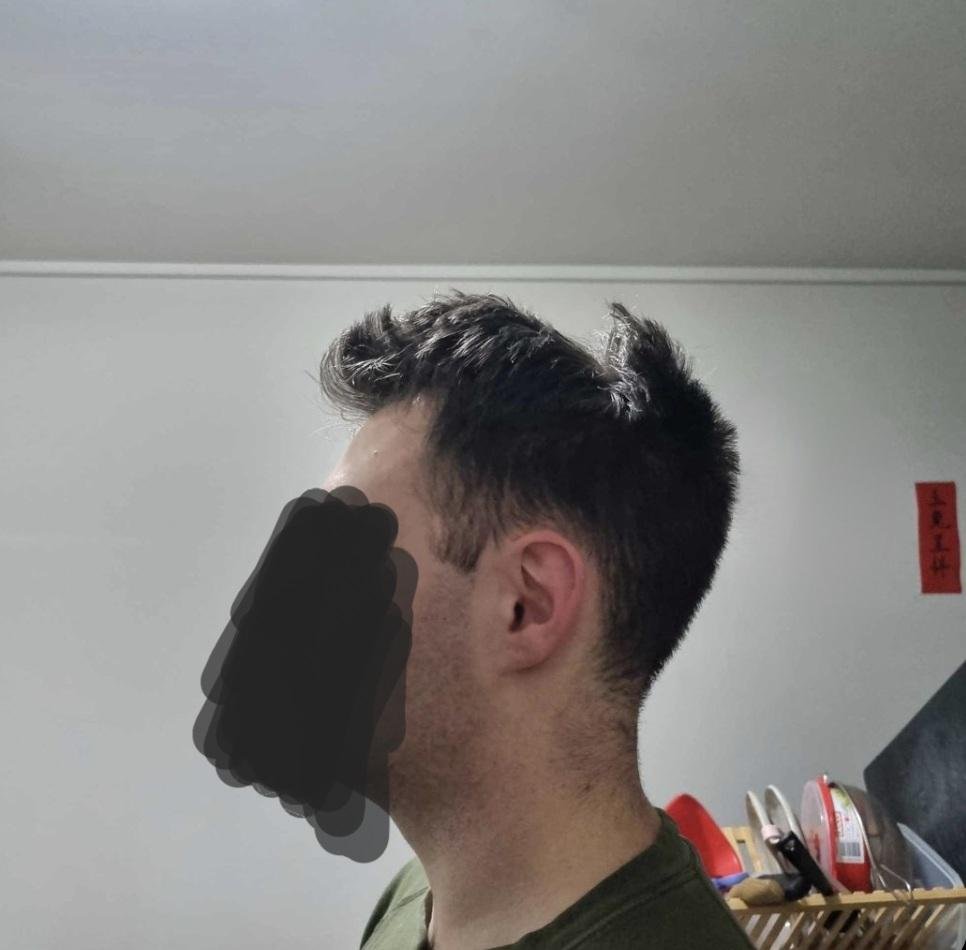
Dent in Your Head From Wearing Headphones/Headset #tips #gaming #headphones #headset #health
Final Thoughts
Generally, gamer dents tend to improve over time. Factors like skin elasticity and how long you’ve had them play a big role. Regular movement and varying pressure points can help the area recover.
However, if the indentation is severe or long-lasting, it might not fully disappear. In such cases, it may become a permanent feature. Ultimately, the question of ‘do gamer dents go away’ depends on individual circumstances and the severity of the issue.

