
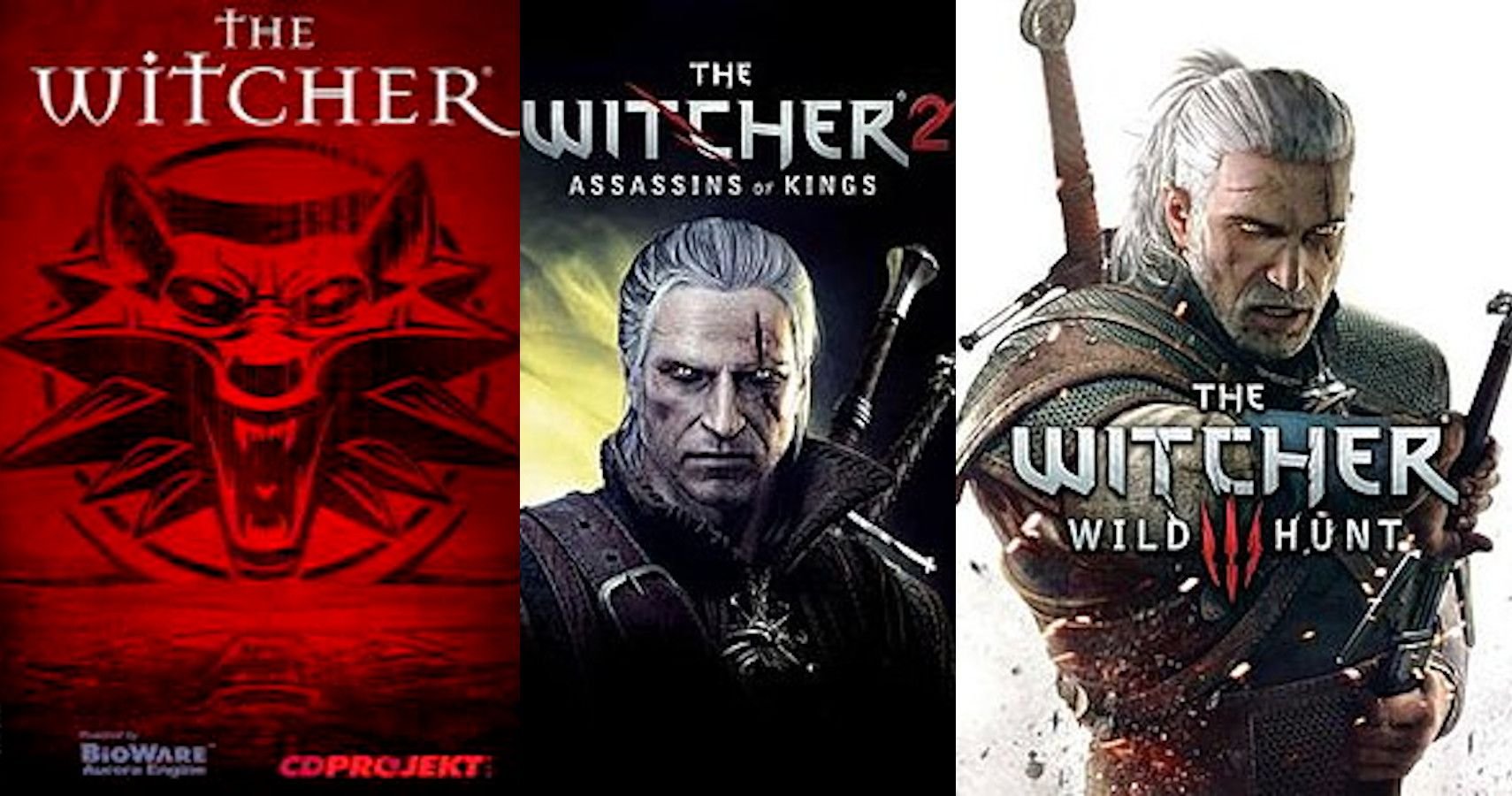
No, you do not need to play the Witcher games in order. Each game presents a largely self-contained story, although playing them sequentially can enrich your understanding of the world and characters.
Jumping into the world of The Witcher, you might be wondering, do i need to play the witcher games in order? It’s a fair question, given the series’ popularity. The games tell a sprawling narrative with recurring characters and events.
Each title, while part of the larger saga, functions as its own experience. You won’t be totally lost jumping into the third game, for example. The developers designed the titles with that idea in mind.

Do I Need to Play the Witcher Games in Order?
The Witcher series, with its rich lore, complex characters, and gripping stories, has captured the hearts of many gamers. If you’re looking to dive into this world, you might be wondering if you need to play the games in the order they were released. The short answer is: not necessarily, but it can greatly enhance your experience. Let’s break down why playing in order is often recommended, but also when it might not be essential.
The Witcher Story: A Quick Overview
Before we delve into the order, let’s touch upon the basics of the Witcher world. The games are based on a series of books by Polish author Andrzej Sapkowski. The main character is Geralt of Rivia, a witcher—a monster hunter for hire who possesses special abilities. The games are sequels to the book series, so they tell a story that continues after the events in the books. It is important to understand that the games do not directly follow the books’ plots. The games instead pick up some time after the final book, and the games have their own plots, independent of the books. This is a crucial factor when considering the play order.
Why Playing in Order Matters
The Witcher games, while standing alone in their own narratives, build upon each other. There is character development, world-building, and overall story arcs that span across the titles. Playing in order will allow you to fully understand these developments, to make sure the character stories are more meaningful, and also make sure that the world seems more consistent and easy to understand.
Character Development: Geralt and his companions, like Yennefer, Triss, and Dandelion, experience significant growth throughout the series. Playing chronologically will allow you to see these characters progress, understand their relationships, and see how their past impacts their present.
Story Continuity: While each game has its own main storyline, there are overlapping plots and recurring characters. For example, the political landscape and the conflicts between various factions continue to evolve throughout the series. You’ll get a better grasp of these intricate details if you experience them in the intended order.
References and Easter Eggs: The games are loaded with references to previous titles, including character mentions, callbacks to past events, and recurring jokes. These will be more impactful and rewarding if you are already familiar with those moments from past games.
Enhanced Emotional Impact: By playing in order, you’ll have more of an emotional connection to the world and its characters. You will have seen Geralt’s journey from its beginning, and will see the effect it has on him, his allies, and the world around him.
The Games in Release Order
To make sure that we are all on the same page, here is a list of the games in their correct release order:
- The Witcher (2007)
- The Witcher 2: Assassins of Kings (2011)
- The Witcher 3: Wild Hunt (2015)
It is important to note that there are spin-off titles, like Thronebreaker: The Witcher Tales and Gwent: The Witcher Card Game. These are not essential to the main plotline. These titles can be enjoyed at any time in your playthrough. The chronological play order will be the same as the release order, and this will be the order that we focus on throughout this article.
Starting with The Witcher (2007)
The first game, The Witcher, is the starting point for Geralt’s journey in the video games.
Setting the Stage: This title introduces you to the world, its politics, and key locations like Vizima and Temeria. You meet a number of important characters who will appear throughout the series.
Early Gameplay: It’s important to keep in mind that The Witcher has a very different gameplay style from its sequels. It has a unique combat system and it has a very different pacing, especially compared to The Witcher 3.
A Starting Point: While its graphics and gameplay may feel dated, this game is a great place to start if you’re interested in seeing the world from the very beginning. It lays the foundational story, and allows for the other games to be better understood.
Not Strictly Required: Due to its very different gameplay experience and slightly different tone, some players will find it difficult to get through The Witcher. If you aren’t one of those players, then it could still add to the experience of playing the second and third games.
Moving on to The Witcher 2: Assassins of Kings (2011)
Stepping Up: The second game, The Witcher 2: Assassins of Kings, significantly improved on its predecessor, with more polished combat, better graphics, and a more complex storyline.
Political Intrigue: This game focuses heavily on political intrigue, conspiracies, and the impact of Geralt’s choices. The choices you make in this title will have major impacts in The Witcher 3.
Key Characters and Relationships: This game will further establish the relationship between Geralt, Yennefer, Triss, and various other important characters.
A Solid Middle Chapter: The Witcher 2 is arguably the strongest game of the series to play through in order. It gives you a great step up from the original title, while also helping you to get ready to move on to the third game.
The Witcher 3: Wild Hunt (2015): The Culmination
Open World Adventure: The Witcher 3: Wild Hunt is a massive open-world game that is widely considered to be one of the greatest video games ever made. It lets you explore the vast world, complete quests, and follow an epic storyline.
A New Threat: This title introduces the Wild Hunt, a group of specters who threaten the world, and puts Geralt right in the middle of it.
Tying Loose Ends: The story and characters you’ve met in the previous games get further explored, their relationships further developed, and any important plot threads get wrapped up. It is also the game with the most references to past events, which will land better if you’ve experienced these events firsthand.
Standing Alone: While it greatly benefits from playing the past games, The Witcher 3 is designed in such a way that new players can jump right in and understand the story. It does a great job of explaining the world and major characters, meaning that players who have not played the previous titles will not be completely lost.
A Starting Point for Many: If you find it difficult to play the first two games, many players who have skipped over the first titles say that jumping right in with The Witcher 3 is still a perfectly valid option, and will still give you a fantastic gaming experience.
When Playing Out of Order is Okay
While playing in order will improve your overall experience with the series, it’s not always a requirement, and can sometimes be difficult, depending on your time and patience.
Starting with The Witcher 3: If you’re eager to experience the open world of The Witcher 3, it’s perfectly acceptable to start there. The game has been designed in such a way that it can work perfectly as a starting point for new players. It has a very solid tutorial, and very good exposition to introduce you to the world and characters.
Catching Up on the Story: There are many resources that can help you get up to speed on the plot of the first two games. There are numerous articles and summaries that will help you understand the plot and the relationships between the characters.
Gameplay Preferences: The gameplay of the first two titles can be difficult to get into. The first title is very different from the rest of the series, and so some players will not be able to get through it. It’s better to enjoy the series rather than forcing yourself to get through titles you won’t enjoy.
Making an Informed Decision
Deciding whether to play the Witcher games in order comes down to personal preference. Here’s a simple summary:
- Play in Order If:
- You want the fullest experience, complete with character development, story continuity, and emotional impact.
- You’re keen to see the series evolve from its roots.
- You have the time to invest in all three games.
- Start with The Witcher 3 If:
- You want to start with the modern open-world experience.
- You are okay with looking up summaries of the previous games.
- You want to get straight to the best part of the series.
A Deep Dive into the Story Progression
To better understand how the stories in each game work, we can dive deeper into their overall structures. Let us take a moment to consider the narrative and how they connect to one another.
The Witcher (2007): The Seeds of the Story
Amnesia and Rebirth: The game starts with Geralt having amnesia. He has lost all of his memories of the past, and the game focuses on helping Geralt to regain those memories, and understanding who he was in the past.
Political Conflicts: The game explores the political tensions between the kingdoms of Temeria, Redania, and the non-human races, providing a detailed introduction to the complex world that will be further expanded in the sequels.
Choices and Consequences: Even in this first title, the choices that you make will have a notable effect on the story, and will have further impacts in future games. These choices help to set up the future storylines and character developments.
The Witcher 2: Assassins of Kings (2011): A Shift in Focus
Political Thriller: The Witcher 2 shifts gears from a story of memory recovery to a political thriller. Geralt finds himself embroiled in conflicts between kingdoms and secret organizations.
Character Alliances: The relationships between characters shift as the political story continues, allowing for the player to form new alliances, as well as to test the old ones.
Branching Paths: The game has a branching narrative, with several different plotlines that can be taken throughout the campaign, depending on the player’s choices. These choices will have a huge effect on the story of the third game.
The Witcher 3: Wild Hunt (2015): The Epic Conclusion
Personal Stakes: The Witcher 3 brings the focus of the story back to Geralt’s personal life, focusing on his adopted daughter, Ciri, and the need to find her before the Wild Hunt does.
World-Changing Events: The events of this game will have far-reaching effects on the world, and will test Geralt to his limits.
Character Reunions: Old friends and enemies return, bringing the full story of Geralt to a close. All the choices from the previous games come into effect, bringing the full arc of the series to a satisfying end.
The Technical Aspects
Beyond the stories and character development, there is also the technical improvements that can be considered when deciding the best way to play the games. The gameplay of each title is different from the others, due to the years they were released, and the hardware available to run them.
The Original Title: A Dated But Unique Experience
Fixed Camera Perspective: The first game has a fixed, top-down camera angle. This is quite different from the over-the-shoulder camera angle that has become more standard in modern gaming, and might be difficult for modern gamers to get used to.
Combat and Controls: The combat is different, with a more tactical feel to it. It has a rhythm-based system, that requires some time to master. This is very different from the more fluid and action-oriented combat in the later titles.
Technical Limitations: The first title was released on older hardware, so the game will be more rough around the edges, compared to the later entries. It may feel a bit clunky to some players, and this can make it a more difficult title to get through.
The Witcher 2: Improving the Formula
Over-the-Shoulder Camera: This title introduces a more modern over-the-shoulder camera, which is an improvement on the original title. This makes the game easier to approach for new players.
Fluid Combat: This game features a more action-oriented combat system. This will require a lot less patience from the players, and will make it easier to pick up and play.
Visual Improvement: This title saw a significant graphical upgrade from the original, so the environments and characters all look more detailed.
The Witcher 3: A Modern Masterpiece
Open World and Exploration: The third title was a revolutionary advancement for open-world gameplay. It is a huge open-world, allowing for almost unlimited exploration.
Refined Combat: The third title improved the combat system once more, adding more fluidity and depth to the system.
Modern Graphics and Technology: The Witcher 3 was a huge technological improvement at the time of its release. It has a beautiful environment, detailed characters, and impressive weather effects. This makes the world feel more immersive than the previous titles.
Ultimately, whether you play the Witcher games in order is a personal choice. You will get the most out of the overall narrative if you play through them in order, but it’s not a requirement for enjoying these incredible games.
Playing the Witcher games in order will improve your understanding of the story, and your emotional connection to the world and its characters. However, if you only have time or patience for one game, starting with The Witcher 3 is still an excellent way to jump into the world, and then you could go back and play the other titles later. The most important thing is that you enjoy your time in the Witcher world, no matter how you choose to experience it.
What To Know Before Playing The Witcher 3 Next Gen Update | A Story Recap Of The Witcher 1 & 2
Final Thoughts
You don’t must play them in order to enjoy the games. Each game presents a self-contained story, although there are connections. Playing the first two games provides background for The Witcher 3, but it’s not essential.
Ultimately, the question “do i need to play the witcher games in order” depends on how much you value full context. The third game can be enjoyed without prior knowledge of others.

