
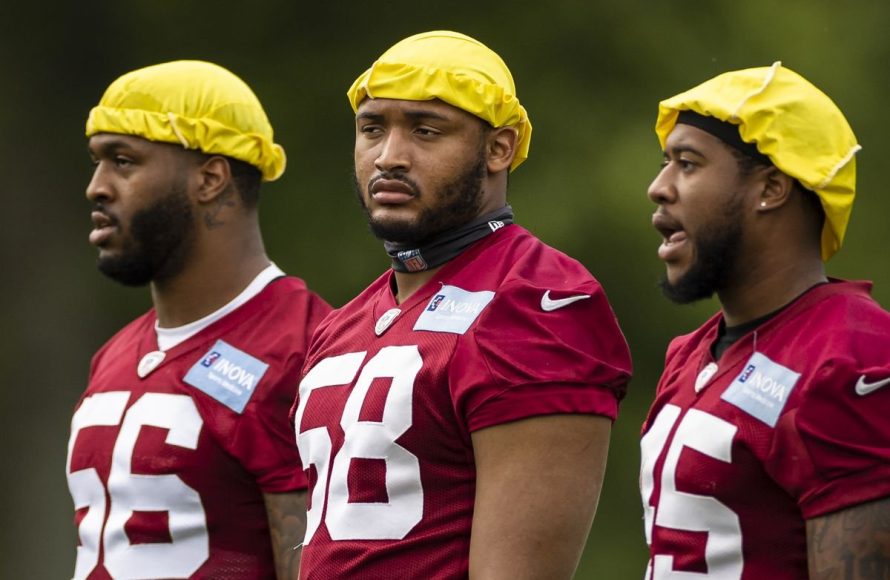
Practice squad players do not typically travel to games unless they are elevated to the active roster for that specific week.
Ever wondered what happens to those players who aren’t on the main team roster every week? Many new fans ask, do practice squad players go to games? It’s a common question and the answer isn’t always straightforward. These athletes form a crucial part of an NFL team’s development, but their game day experience is quite different from the starting lineup.
They spend their time practicing and preparing; and in the end, they help the main team. They are not usually on the sidelines unless they are called up. We will clarify the rules around that and explain the unique role of practice squad players.

Do Practice Squad Players Go to Games? Unpacking the Sideline Mystery
Have you ever watched a football game and wondered about those players standing on the sidelines, who aren’t actually playing? Some of them are practice squad players, and their game day experience is a bit different from the active roster players you see on the field. It’s a common question – do practice squad players go to games? The answer is yes, but their role is quite unique and it’s important to know how it works. Let’s dive deep into the world of the practice squad and what their game day experience looks like.
The Role of the Practice Squad
First, let’s understand what a practice squad is. In the National Football League (NFL), each team is allowed to have a set number of players on their “practice squad”. These players are essentially developmental players who aren’t on the main 53-man active roster. They practice with the team during the week, helping the starters and other active players prepare for their upcoming game. They might be newer players, players who are trying to improve their skills, or players who can step in if someone on the active roster gets injured.
Why Have a Practice Squad?
The practice squad serves a vital purpose for NFL teams. It’s basically a way to have a backup plan. Teams can develop potential talent and keep a close eye on players they think could be beneficial in the future. It also creates competition, as practice squad players are always working to get onto the active roster. The practice squad helps teams in a few main ways:
- Player Development: It allows players to hone their skills and gain experience within the team environment without the pressure of being in active games.
- Injury Insurance: If a player on the active roster gets injured, the team can quickly elevate someone from the practice squad to fill the gap.
- Scouting and Evaluation: Coaches can watch and evaluate players’ progress without risking them on the main team if they’re not quite ready yet.
- Opponent Preparation: They help mimic the upcoming opponents’ offensive or defensive schemes, allowing the starters to better prepare.
Game Day for Practice Squad Players
Now, about game day – do practice squad players go to games? Yes, they typically do attend home games but not always away games. It’s important to distinguish that while they are present, they aren’t usually dressed in full game uniform like the active players. Their game day responsibilities are very different.
Sideline Presence and Responsibilities
Practice squad players are present on the sideline during home games, but they don’t wear the same jersey as the players you see on the field. They typically wear team-issued apparel, such as a team tracksuit or warm-up gear. Their role isn’t to play but to provide support to the team. This involves a few key elements:
- Observing the Game: They attentively watch the game to learn from their teammates’ actions and understand game strategies in a real-time environment.
- Mental Reps: They mentally go through plays, imagining themselves in the game and practicing their responses to different situations. This is an important part of their development.
- Helping with Equipment: While not their primary role, practice squad players might help with managing equipment or other small tasks on the sideline.
- Support for Teammates: They serve as an additional support system for the active players, cheering them on and providing encouragement. They’re a part of the team, even if they’re not directly playing.
- Learning and Developing: They are constantly learning. Game day offers them a valuable opportunity to understand the flow of the game and how everything works at the professional level.
Travel and Away Games
The travel situation for practice squad players differs. Unlike active players who always travel to away games, most teams do not bring practice squad players on away game trips. This is mainly because of logistical reasons such as limited travel space, lodging restrictions, and budget concerns. The priority is the active roster. However, this isn’t a strict rule, and some teams might bring some practice squad players along depending on specific needs or circumstances. For example, if the team has a player on the active roster at a position that only one practice squad player plays, they might bring the practice squad player in case they need an emergency replacement. If there are specific player injuries on the roster, it is most likely that the team will take the specific player from the practice squad to the away game, so the team can keep all their bases covered.
How Can a Practice Squad Player Get Into the Game?
Okay, so practice squad players are at the games, but how do they actually get to play? It’s not as simple as just putting them in when the team needs another player on the field. Here’s a breakdown:
Elevation to the Active Roster
The main way a practice squad player gets to play in a game is by getting “elevated” to the active roster. This typically happens when a team needs to replace an injured player or if the team believes that a practice squad player has shown exceptional improvement. It can be a permanent move or a temporary one. Here are two different paths that allow the players to get on the active roster:
- Standard Elevation: Teams have a set number of practice squad players they can “elevate” to the active roster each week. The player is moved up for that game, and after the game, that player goes back to the practice squad (without having to clear waivers, see below). This means a player on the practice squad could play on Sunday and be back on the practice squad on Monday. This usually happens when the team has a player that is questionable to play in the game, or in case of an injury.
- Signing to the 53-Man Roster: A team can also permanently move a practice squad player to the 53-man roster. If that happens the player becomes a part of the active roster and has the same status as all other active players. However, it does require more of an investment because the player will need to be paid the salary for an active player, and it also puts that player at risk of being released. Teams need to use a roster spot to sign the player permanently.
Waivers: A Key Factor
A key aspect of moving a practice squad player to the active roster involves waivers. If a player is on a practice squad, he cannot just be picked up by any other team as long as he stays there. But, if a team wants to move a player from the practice squad to the 53-man active roster, the player must first pass through waivers. This means that other teams have the opportunity to claim him. If another team makes a claim for that player, that team will get to keep the player. This ensures that players who are potentially beneficial to other teams also get a fair opportunity to compete and be a part of the active roster on those teams, as opposed to staying on the practice squad. This waiver system adds another layer of strategy and complexity to team management and player movement.
When a Practice Squad Player Plays in a Game
When a practice squad player is elevated to the active roster and gets to play in a game, it’s usually a big deal for the player. It is an opportunity to show the team what they can do, an opportunity to get real playing experience. It’s a validation of all of the practice and hard work they’ve been putting in, and it’s also a glimpse into the full game day experience of an active roster player. When they play, these players also earn the same benefits and game day pay as the active roster players, making the experience even more exciting.
Benefits of Being on the Practice Squad
While not being on the active roster might sound discouraging, being on the practice squad does have its advantages. It offers players many things that can really help their careers.
Continued Development and Coaching
The practice squad environment is designed for growth. Players receive specialized coaching, detailed feedback, and the opportunity to learn from experienced professionals. This level of focus allows players to work on specific areas for improvement, becoming more well-rounded and potentially more attractive to other teams. Players on the practice squad get to participate in practice with the team, which allows them to improve their skills every week with coaching guidance. They also get the opportunity to watch and learn from the starters at their position, which gives them a great chance to learn.
Financial Benefits and Potential Advancement
Practice squad players are not paid as much as active roster players, but they do receive a steady income, and in most cases, more money than they would get at any other job they would be qualified for. It also helps keep the hope of a long-term career in football alive. Furthermore, they are one injury away from moving up, which can be very financially lucrative for them. The potential for elevation to the active roster is a significant draw, as it could lead to a higher salary and a more established role on the team. The salary of the player can increase substantially from being on the practice squad to being on the active roster.
Team Involvement and Exposure
Being on the practice squad keeps players connected to the team and involved in all the team activities. They are present at practice, and on the sidelines of home games. They attend meetings and interact with all the coaches and players. They learn the culture, and learn the schemes, and gain insight into the operations of a professional football organization. This exposure is also important because it might lead to an opportunity with another team in the future. All the practice squad players play a crucial role in the day-to-day operations of the team.
The Practice Squad: A Necessary Part of the NFL
In summary, while practice squad players are not actively participating in the game itself like the players on the field, their presence is a valuable and important part of each team’s operations. They serve as a vital support system, ready to step up if needed. The presence of the practice squad also allows the active players to be prepared for any game situations. They are also important for their future potential of becoming the active roster players.
The question “do practice squad players go to games?” is answered with a yes, at least for home games. Their unique role offers great insights into the complexities of professional football and the strategic decisions that teams make both on and off the field. So, the next time you’re watching a game, remember the practice squad players on the sideline – they are playing a big role in the team’s overall success even if they are not directly on the field.
The life of an NFL practice squad player explained
Final Thoughts
The answer to “do practice squad players go to games” is generally yes, but with stipulations. They must travel with the team. However, they do not suit up or participate in the game itself, unless a player is called up from the practice squad to the active roster for that game.
Practice squad players primarily watch from the sidelines. Their presence is mainly for team support. So, while they go to games, they have a different role than those on the active roster.

