
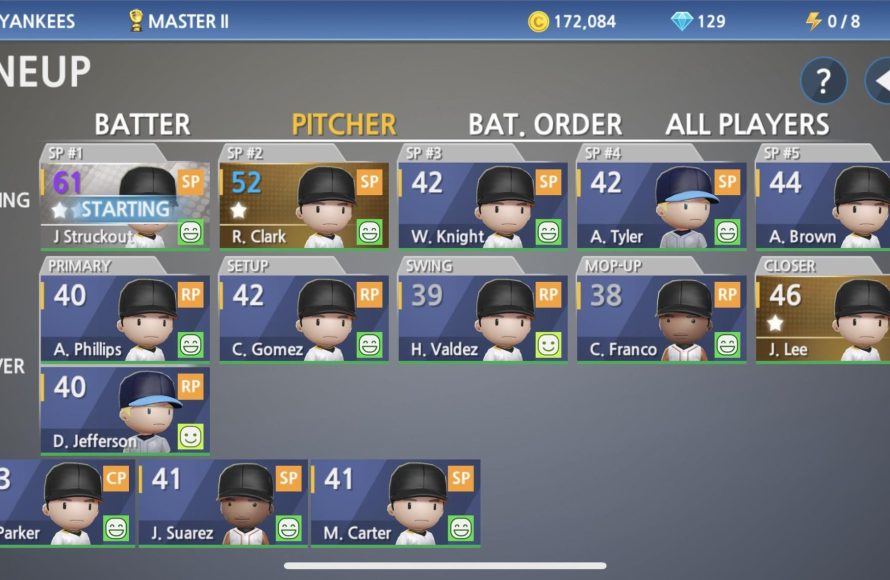
No, relief pitchers do not play every game; their usage depends on game situations and team strategy.
The thrill of baseball often keeps us on the edge of our seats, wondering who’ll step up next. It’s easy to get caught up in the excitement and sometimes ponder about the roles of each player, especially relief pitchers. Do relief pitchers play every game? It’s a common question, given their crucial role in securing wins or preventing losses.
These pitchers, often specialists, come in when a starter is done or a key moment arises. Their appearances aren’t guaranteed nightly; instead, managers deploy them based on game specifics. The need to preserve a lead or close out a tight match often dictates when they enter.

Do Relief Pitchers Play Every Game?
The short answer is no, relief pitchers do not play every game. It’s a common question, especially for those new to baseball, and the reason why is pretty interesting! Let’s dive deep into why these players, who are vital to a team’s success, aren’t on the mound every single day. We’ll explore their roles, workload management, and what it really means to be a relief pitcher in Major League Baseball (MLB).
The Role of a Relief Pitcher
Relief pitchers, also called relievers, have a specific and crucial job. Unlike starting pitchers who begin the game and typically pitch for several innings, relievers come into the game after the starter has left. Think of them as specialists. They are brought in to handle specific situations, often in crucial late-game moments. Their primary goal is to prevent the opposing team from scoring and to secure the win for their team. They work in a different way than the starter and bring a different set of skills to the game.
Types of Relief Pitchers
Not all relief pitchers are the same. There are different kinds, each with a specialized job to do:
- Set-Up Men: These pitchers usually enter the game in the 7th or 8th inning. They aim to bridge the gap between the starting pitcher and the closer. Set-up men need to be reliable and be able to handle high-pressure situations.
- Closers: The closer is often the last pitcher of the game. They come in typically in the 9th inning, when their team has a lead, to finish the game and get the save. Closers are the ones who often get to the spotlight as they secure the victory of their team.
- Middle Relief: These pitchers come in during the middle innings. They fill in when the starting pitcher leaves earlier than expected or when the game needs a steady hand to keep it close. They need to have a wide range of skills to handle many game situations.
- Long Relief: When the starter struggles badly or gets hurt early in the game, long relief pitchers are brought into the game. They can pitch for multiple innings to keep the team in the contest. They can pitch for extended periods.
- Situational Relievers: These pitchers are brought in to face a very specific type of batter, such as a left-handed pitcher brought in to face a left-handed batter. These guys only pitch against batters who pose a high threat.
Why Relief Pitchers Don’t Play Every Game
The biggest reason why relief pitchers do not play every game comes down to physical strain and the need for their arm to recover. Think about it, throwing a baseball at high speeds repeatedly is a very intense workout. If a pitcher does this too often, they could injure their arm and this will make them unable to play. Here are some key factors:
Arm Fatigue and Injury Prevention
Pitching, especially at the professional level, is very hard on the arm. Relievers, often pitching at their maximum, are more prone to injury if they pitch too often. Overuse can lead to things like tears in the rotator cuff or stress fractures, taking them out of the game for months or even years. Teams carefully watch how much their pitchers are throwing so that they can protect them and keep them healthy for the whole season. They need rest to stay effective.
Workload Management
Teams use careful plans for each player. This is called workload management. The coaches and trainers have a plan that monitors how many pitches a pitcher throws, how often they appear in games, and how much rest they get in between the appearances. They will also monitor the velocity and movement of each pitch to watch for signs of fatigue. This helps make sure that relief pitchers stay fresh and can perform well when the team needs them. Pitchers who are well-rested and healthy can be more effective in game situations. They can also throw more pitches with more power and accuracy.
Strategic Matchups
Managers think about which pitchers will be the best to face the hitters. This is called matchup. If there is a left-handed hitter that is a big threat, a left-handed reliever is most likely the one who will be called to pitch against them. If a right-handed hitter is batting well, then a right-handed reliever will be used. This way, the pitchers are used with care based on the specific game needs. These strategic decisions make sure that a team maximizes its chances of success.
The Importance of Rest and Recovery
Relief pitchers need time to recover. After a game, it’s important to let their arms rest and recover so they can perform their best in their next outing. Teams have routines that include exercises, massage, and treatments designed to help speed up this recovery. Adequate rest improves their overall health and performance, reducing the risk of injury and burnout. Pitchers can only be at their peak if they get enough time to heal and recuperate after every single game that they participate in.
Game Situations Impact Usage
How much a relief pitcher gets used will depend heavily on what is going on in the game. Here’s how game dynamics play into this:
Blowout Games
In a game that’s not close, where one team is winning by many runs, managers might avoid using their best relievers. They will save them for games where they are needed most, and instead, will let middle relief pitchers get playing time. This also gives the other pitchers a chance to get practice in. Saving them is a strategy for when they need them most.
Close Games
In a close game where every run matters, the best relievers will come in to get the win. The set-up man and the closer will get called in to handle the highest leverage situations. They are the go to guys when the team needs to secure the win, and that is why they might only play in some games.
Extra-Inning Games
If a game goes into extra innings, the team will rely on more relievers to come in and pitch. In these extra inning games, you will see more of the bullpen. In these games, teams will have to be careful of the pitcher’s health and availability. They need to make sure that they have enough arms for the rest of the game, and their future games.
The Impact of the Schedule
Baseball season is long, with games played almost every day. The schedule plays a big role in how relief pitchers are used:
Long Series
When a team plays many games in a row, they need to distribute playing time across the whole bullpen. This ensures that no single reliever is used too much. It allows pitchers to get some rest between the games. Because they play games every single day, they need to keep everyone healthy and fresh for the whole series of the games.
Travel
Traveling for games can also tire players out, and this affects the bullpen too. The team will consider this when they decide which relievers to use. Sometimes the team may rest one or two pitchers to avoid any tiredness that can cause injury. They are also careful that their relievers get a good night’s sleep before they have to play again.
A Look At the Bullpen
The collection of relief pitchers on a team is known as the bullpen. Bullpens are very important because relievers are relied on to hold leads and also to help win games. A good bullpen has a mix of pitchers with different skills that are used in different situations. Here’s more about the importance of the bullpen:
Depth is Key
Teams need a deep bullpen to handle the long schedule. It is very important to have multiple relievers who can perform well. This way, the team has different pitchers available to rely on. This will give the team the flexibility to handle any situation that may happen in the game. If some pitchers struggle, then the team needs others to step up and help.
Bullpen Management
Bullpen management is a key skill for a baseball coach. Managers carefully plan when and how to use each reliever so that they can maximize their skills and the outcome of the games. They monitor the game’s stats and how pitchers are performing, so that they can adjust their plan. Teams will be very careful with their bullpen to ensure they are effective in every single game.
Examples From Real Games
Let’s think about some real examples that will help explain how relief pitchers are used.
Scenario 1: A Close Game
Let’s say the score is tied in the seventh inning. The starting pitcher has just come out of the game. The manager will bring in a set-up man to handle the seventh and eighth innings. Then, if the team is leading in the ninth inning, the closer is called into the game to close it out. In this scenario, only two or three relief pitchers will be used.
Scenario 2: A Blowout
If a team is leading by a lot of runs, the manager will use some of his less used pitchers. He may not want to use the usual closer or set up man. In this scenario, middle and long relief pitchers get a chance to pitch and the big guns are given some time to rest.
Scenario 3: A Starter Injury
If a starting pitcher gets hurt in the second inning, then the team needs to bring in a long relief pitcher. This pitcher will have to play for a long amount of time to make sure that the team does not waste any arms from the bullpen. Then, other relievers will come in and take on their usual roles. This type of situation shows how important it is to have long relievers who can fill in when needed.
What Happens When a Pitcher is Overused?
It is essential that the managers do their job of monitoring the workloads of their players. When a pitcher plays too often, or throws too many pitches, then they become overused. Overusing a pitcher can lead to many bad effects.
Increased Risk of Injury
Overused pitchers are more likely to hurt their arm. They can get elbow or shoulder injuries, which can keep them from playing for a long amount of time. When a pitcher is overused, they cannot perform at their best and they will be more likely to get injured.
Reduced Effectiveness
When a pitcher throws too many pitches, they get tired, and this makes their performance go down. Their pitches will not be as fast and they will not have the same control as when they are fully rested. An overworked pitcher will be an ineffective pitcher, who will give up more runs in games, and will give the other team a chance to win.
Long-Term Effects
Overusing a pitcher can also have long-term effects on their careers. If a player gets hurt or wears down their arm early in their career, they will not be able to play at the highest level for a long time. Teams try to make sure that their pitchers can have long careers.
Modern Data and Analytics
In modern baseball, teams use data to make decisions about relief pitchers. Stats, like pitch speed, spin rate, and batted ball data, help teams make the best choices on when to use pitchers and for how long. It helps teams predict when a pitcher is going to get tired and when they need to rest. The modern game uses more information than ever to maximize the team’s chances of winning.
Advanced Metrics
Teams now look at very detailed stats to help plan how to use their pitchers. Metrics like FIP (Fielding Independent Pitching) and WAR (Wins Above Replacement) help to show how valuable a pitcher is to the team. Teams use all available data to make sure that their bullpen will help the team win games.
Data-Driven Decisions
Managers look at these stats to make smart decisions about who pitches when and how long. They want to give their team the best chance of winning while protecting their pitchers’ health. They use data to know when to push a pitcher or when it’s time to give them a rest.
So, to circle back, relief pitchers do not play every game. This is because they need to have adequate rest so they can perform their best in the important situations that require them. Teams plan for this using workload management, and careful pitcher deployment strategies. Understanding how relief pitchers work helps you understand the game more, and will help you enjoy the team play and strategies more. The next time you watch a baseball game, think about how much the bullpen contributes to the team’s success and how important those pitchers are to the team.
The Skillsets of Starting Pitchers, Short Relievers vs Long Relievers
Final Thoughts
Relief pitchers do not play every game. Their usage depends heavily on game situations. Factors like the starting pitcher’s performance, score, and the inning impact when a reliever enters.
A team might use multiple relievers in a single game or none at all. It’s a strategic decision made by the manager. So, must understand that while they are a crucial part of the team, “do relief pitchers play every game” is answered with a clear no.

