
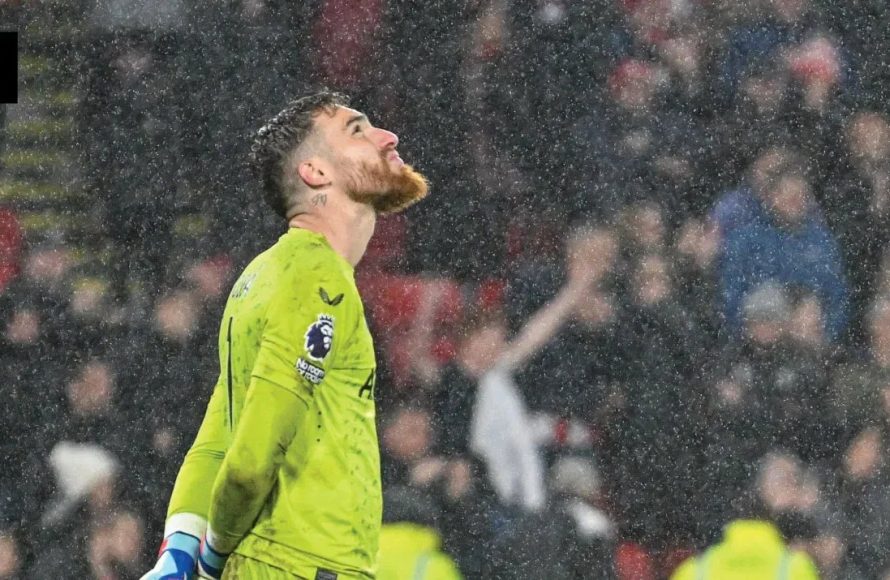
Yes, soccer games do get rained out, though typically only if the weather conditions pose a significant safety risk to players or make the field unplayable.
Ever wondered if your weekend soccer match might get canceled due to a downpour? It’s a common question, and the short answer is yes, soccer games do get rained out. But the decision isn’t always straightforward.
Usually, a bit of rain won’t stop play, as soccer is often played in various weather conditions. However, factors like the severity of the rain, the field’s condition, and the presence of lightning can lead to a game being called off. These decisions are always made with the safety of everyone involved as the priority, so sometimes you just have to wonder if “do soccer games get rained out?” well sometimes it happens.

Do Soccer Games Get Rained Out?
The short answer is yes, soccer games can absolutely get rained out! But it’s not always a simple decision. There’s a lot that goes into figuring out if a game can safely be played when the weather isn’t cooperating. Let’s explore all the factors that come into play when deciding if a soccer match will be postponed due to rain.
Understanding the Role of Rain in Soccer Game Cancellations
Rain, while sometimes refreshing, can cause quite a few problems for a soccer match. It’s not just about getting a little wet. Consider all of these ways rain impacts a game:
The Field Conditions
A big concern is the condition of the soccer field itself. Here’s what rain can do:
- Waterlogged Fields: Too much rain can saturate the ground, making it very difficult to run and play on. The ball doesn’t bounce right, and players can easily slip and fall, increasing the risk of injuries. A waterlogged field is really more like a giant, muddy puddle!
- Muddy Conditions: Even if a field isn’t flooded, heavy rain can turn it into a muddy mess. This mud makes it difficult to control the ball and slows down the pace of the game. Imagine trying to dribble a soccer ball through thick, sticky mud – not so easy, right?
- Uneven Playing Surface: Standing water and uneven ground create puddles. This can change the trajectory of the ball and make it hard for players to predict where the ball will go. This uneven surface can lead to unexpected and unfair bounces.
Player Safety Concerns
Player safety is always the most important thing. Rain can cause some real safety hazards:
- Slippery Surfaces: Wet grass is slippery. Players are more likely to slip, fall, and potentially injure themselves. Sprained ankles, knee injuries, and even concussions can happen because of slippery conditions.
- Reduced Visibility: Heavy downpours can make it difficult to see the ball, the other players, and even the lines on the field. This reduces players’ ability to play their best, makes coordination more difficult, and increases the chance of accidents.
- Hypothermia: In colder weather, getting soaking wet and chilled to the bone can be very dangerous. Hypothermia is a condition that occurs when your body loses heat faster than it can produce it, and it can become life-threatening.
Who Makes the Call to Postpone a Game?
It’s not just one person deciding whether a game gets rained out. Many people play a part in the decision process:
Referees
During the game, referees have the ultimate authority to stop a game due to weather. They are responsible for making sure the game is played safely. If the field conditions become unsafe or visibility drops, the referee can suspend or postpone a game. Referees usually take cues from league policies, their own training, and observing the existing conditions.
Coaches
Coaches also look at the weather conditions. They have player safety in mind, and they can request that the match be called off if they think the conditions are too dangerous for their team.
League or Tournament Officials
League organizers or tournament officials set the initial rules and regulations about postponing matches due to weather. They have the big picture in mind when it comes to scheduling and fairness for the teams involved. These officials review weather forecasts and field conditions in the days leading up to a match. They might decide before match day to cancel the game or have a backup plan.
Facility Managers
The people who take care of the soccer field also have an important job. They check the fields regularly for safety concerns and if there’s a lot of rain, they will let league officials know about the field conditions. Their observations help to make informed decisions about if games can be played. They are often the first to notice when a field is becoming unsafe to play on.
Specific Rules and Guidelines About Rain Delays
Most soccer leagues and organizations have their own rules about when a game will get rained out. These rules are not always the same. They differ based on several factors.
Age Level of Players
The rules are often stricter for younger players. For example, a game for very young children might be canceled with just a light drizzle, while older players might be allowed to play in heavier rain. This is because younger children are more susceptible to the effects of wet and cold weather and potentially higher risk of injury on slippery surfaces.
Level of Competition
Professional matches are likely to proceed despite weather conditions that could lead to the cancellation of amateur games. This is because there are more financial stakes at higher levels of competition and typically better field drainage systems. However, safety is still a priority even in professional games, especially when weather conditions are severe.
Local Weather Patterns
Weather patterns vary by area. In places with heavy rain, people expect rain cancellations more frequently than areas with less rainfall. Leagues and officials are often flexible when it comes to games during wet seasons. They might shorten games, modify schedules or change how they operate to keep games going as much as possible.
League Policies
Each league has specific policies about canceling games. Some leagues will have policies that say a game cannot be played if there is standing water on the field. Other leagues may have different rules based on temperature and rainfall. These written policies help to provide clear guidelines when making decisions about game cancellations.
Beyond Rain: Other Weather Factors Affecting Soccer Games
It’s not just rain that can cause a soccer game to be postponed. Here are some other weather conditions that can affect play:
Lightning and Thunder
Lightning is a huge safety risk. If there’s lightning and thunder nearby, officials will always suspend the game immediately. The rule is usually that play can resume 30 minutes after the last lightning strike or thunder sound, so it’s better to wait a bit longer than to risk injury.
Extreme Heat
Very hot weather is another safety concern. Players can get dehydrated, experience heat exhaustion, or have heat stroke in high temperatures. In extreme heat, game schedules can be adjusted or additional breaks might be added to make sure players are safe. It’s also important for players to stay hydrated and be sure to drink plenty of water.
Snow and Ice
Depending on location, snow or ice can make the playing surface dangerous and often lead to cancellations. Snow can cover field markings, making it hard to see the playing area, while ice is even more dangerous than a wet field. Even if snow is not that deep, it can also hide frozen patches of ground, which are unsafe for play.
High Winds
Strong winds can impact the game, even without rain. High wind can make it difficult to control the ball, and sometimes it even blows the ball off course. If wind is severe it can be unsafe because of the potential risk of falling debris or even make it hard for players to run properly.
What Happens When a Soccer Game is Rained Out?
So, what happens when a soccer game is canceled because of rain or other bad weather?
Rescheduling
Most of the time, the game will be rescheduled for another date. This new date depends on the league schedule and field availability. Sometimes, the game might have to be played on a different field, if the original one is still unusable. Teams are usually notified about reschedule times as quickly as possible.
Shortened Games
Instead of canceling a game, sometimes a game will be shortened. The game will start, but it might have fewer minutes in each half or break. League officials determine if they can play a shorter version of the game, making the game safer.
Refunds or Credits
In some cases, people who paid to see a soccer game will get a refund or credit. This usually happens for professional or higher-level competitions. However, in youth leagues or smaller games, a full refund isn’t always available, and it may just be rescheduled. It’s important to check the league policies for how they handle refunds for canceled games.
The Impact on League Standings
When a game is postponed, it may impact league standings. The teams involved may get a point from the postponed game. Sometimes, leagues have rules about how postponed games affect the final standings for the season or for a tournament. These rules are usually set up in advance and the teams understand them.
How to Prepare for a Rainy Soccer Game
As a player or a fan, there are some ways you can get ready for rainy or bad weather on game days:
For Players
- Bring Extra Gear: Pack extra socks, a towel, and a rain jacket. It’s really no fun to wear soaking wet clothes, so having a backup is a good idea.
- Waterproof Gear: If you know it’s going to rain, wear waterproof shoes and a raincoat or jacket. This will keep you dryer and more comfortable.
- Proper Warm-Up: Be sure to warm up properly, even if you’re cold. Warm muscles are much less likely to get injured.
- Stay Hydrated: Even when it’s cold, you still need to drink water. Dehydration can make it harder to play and increase the risk of injuries.
For Spectators
- Rain Gear: Bring a raincoat, umbrella, or poncho. You will want to stay dry to enjoy the game.
- Dress Warmly: If it’s cold, wear layers to stay warm. It’s better to have too many layers than to be cold and uncomfortable.
- Check Schedules: Be sure to check the game schedule or team updates just before the game time. Check for potential time or location changes due to weather.
- Plan for Delays: If it’s raining, be prepared for potential delays. You might want to bring something to read or do in case you have to wait.
Ultimately, deciding if soccer games get rained out involves keeping players safe, considering the condition of the field, and following league guidelines. It is a complex process that takes into account many factors. While it’s disappointing when a game is postponed, it’s always important to prioritize safety. Being prepared and understanding the rules of the game, both players and spectators can be ready to have a good time, no matter the weather.
Do Soccer Games Get Rained Out? – The Sport Xpert
Final Thoughts
Ultimately, whether do soccer games get rained out depends heavily on local regulations and field conditions. Referees and organizers make the final call. They assess safety and playability before canceling a match.
Some leagues have policies for playing in light rain. However, heavy downpours or flooded fields almost always cause postponement. Safety for the players is a must.
Therefore, expect potential cancellations if there is significant rainfall. Always check with the specific league or club for updates about schedule changes.

