
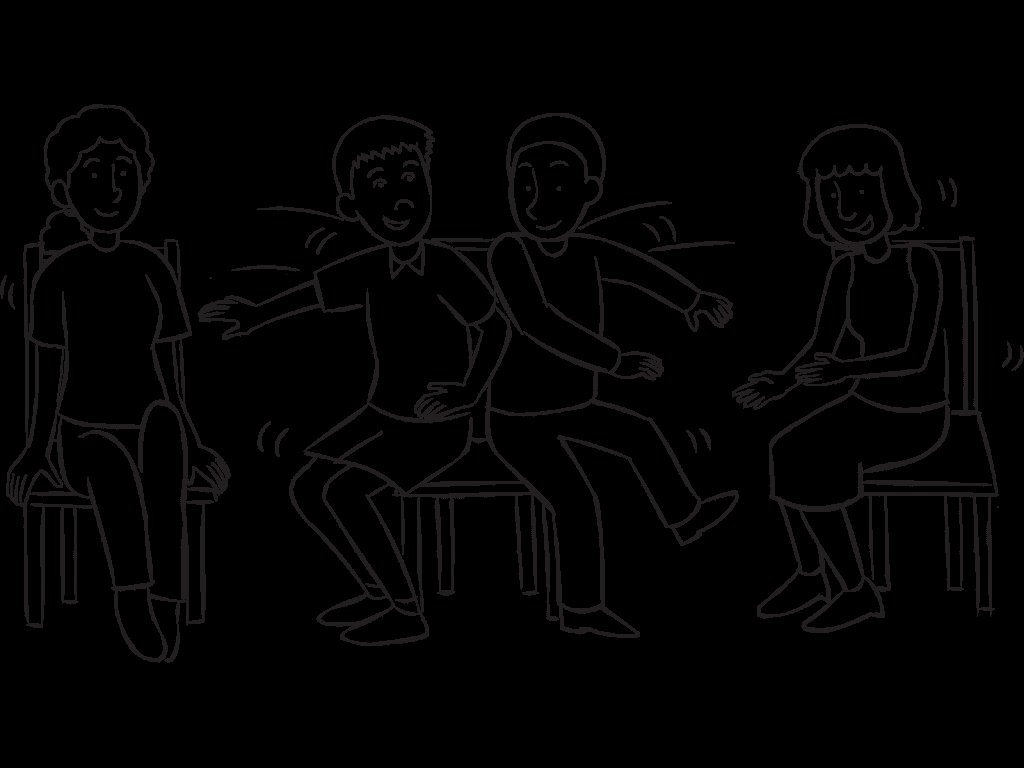
Playing “do you love your neighbor game” involves asking a question and having participants move based on their personal connection to that question.
Have you ever played a game that feels both silly and revealing? “Do you love your neighbor game” is exactly that kind of fun! It’s a simple, active game that gets everyone moving and laughing.
This game really highlights how similar we all are, even with our differences. It creates these surprising little moments of connection. So, are you ready to learn more?

Do You Love Your Neighbor Game: More Than Just Fun and Games
Okay, let’s dive deep into the world of “Do You Love Your Neighbor?”. You might know it as a simple game for kids, but it’s so much more than that! This game is a fantastic way to get people moving, laughing, and thinking. It’s not just about silly chairs and musical mayhem; it’s a sneaky way to teach important lessons about paying attention, following directions, and even being a little strategic. Let’s explore all the different parts that make this game so great and what makes it a good activity for all ages. This is definitely not just a simple sitting game; get ready to move!
How to Play the Classic “Do You Love Your Neighbor?”
The basic rules of “Do You Love Your Neighbor?” are easy to understand. You don’t need fancy equipment, just a group of people and some chairs. Here’s how the classic game usually goes:
- Setup: Arrange chairs in a circle, with one fewer chair than the number of players. Everyone sits in a chair, except for one person who stands in the middle.
- The Question: The person in the middle walks around and asks someone, “Do you love your neighbor?”
- Answering the Question:
- If the person says “Yes, I love my neighbor,” then everyone must get up and find a new chair. The person in the middle also tries to find a chair.
- If the person says “No, I don’t love my neighbor,” then they must also say which of their neighbors they don’t love. For example, they might say “No, I don’t love my neighbor who is wearing blue” or “No, I don’t love my neighbor who has short hair”. Then only people with that criteria get up from the seats and change.
- The Switch: Someone will not have chair when there is a switch of seats and the player that does not get a seat then is the new person in the middle and the game continues.
That’s it! It’s a simple game to learn, but the fast pace and the need to be quick on your feet make it incredibly fun.
Variations to Keep Things Exciting
One of the things that makes “Do You Love Your Neighbor?” so awesome is that you can change it up easily. These are some of the ways that you can change up the game, make it different and make the game fresh each time you play.
Theme-Based Variations
Try adding themes to your game. This can make it a fun way to play as well as learn. For example:
- Holiday Themes: Play during the holidays and have people move if they are wearing a certain color, like red and green for Christmas or orange and black for Halloween.
- Animal Theme: You can say “No, I don’t love my neighbor who has an animal that begins with ‘C’” or ask “Do you love your neighbor who loves dogs?”
- Favorite Food Theme: Use favorite foods as your criteria, like “No, I don’t love my neighbor who likes pizza” or “Do you love your neighbor who likes Ice cream”.
Action-Based Variations
Instead of just moving to a new chair, add some actions. Get your body involved:
- Hop and Swap: Instead of walking, hop to find a new chair.
- Silly Walk: Walk in a funny way, like a penguin or a robot, when switching chairs.
- Clap and Switch: Add a clap before switching to add some noise and more physical movements.
Skill-Based Variations
Make it a little harder and challenge everyone’s thinking abilities:
- Memory Challenge: The person in the middle says, “No, I don’t love my neighbor who sat in the blue chair last round” or “Do you love your neighbor who had to stand in the previous round?”.
- Direction Challenge: When asking the question, also say a direction like “Do you love your neighbor on your left?” to direct to change the direction of the movement.
Why This Game is Great for Everyone
“Do You Love Your Neighbor?” isn’t just a fun way to pass the time. It has hidden benefits for kids and adults, which makes this game very valuable to play.
For Kids
This game is beneficial for kids in many ways:
- Listening Skills: Kids learn to listen carefully to the questions and directions given by the person in the middle. This improves concentration.
- Reaction Time: Children have to be quick and ready to move when it’s their turn. This can help improve their speed and coordination skills.
- Social Interaction: The game is a social activity, which encourages kids to interact with each other, laugh together and enjoy the time together.
- Rule Following: The game is great to help teach kids about the value of following rules, which is essential for social settings.
- Cognitive Thinking: This game develops thinking skills, especially when you add variations with categories or memory-based challenges.
For Adults
Adults also enjoy many benefits from this game, which is why this is a great game for the whole family.
- Stress Relief: It is a great way for adults to relax and laugh and forget their daily stresses.
- Physical Activity: Getting up and moving, even for short periods, is a good way to get moving.
- Team Bonding: Great for team building at work, as it encourages team work and bonding.
- Mental Exercise: Helps in mental quick thinking and problem-solving skills especially when playing variations of the game.
Tips for a Super Fun Game Session
To have the best “Do You Love Your Neighbor?” experience, keep these tips in mind:
- Clear Instructions: Before starting, make sure everyone understands the rules. If not, they will not have as much fun and might get frustrated.
- Safe Space: Make sure the playing area is free of any obstacles that might cause someone to trip, so there are no accidents.
- Encourage Creativity: Let everyone come up with fun new variations of the game. This makes the game more fun and interesting for everyone.
- Be Flexible: If a variation isn’t working, change it. Don’t force a variation if the players do not enjoy it.
- Be Inclusive: Encourage everyone to play and participate. The game should be fun for everyone.
- Music: Add music to the game to make it more exciting, music will make this game so much more exciting.
The Psychology Behind “Do You Love Your Neighbor?”
This game, though simple, involves elements of psychology. Let’s explore them a little:
The Power of Social Dynamics
The game plays on the idea of social interaction. People must react to others and think about their position within the group. This is a great way for people to understand social situations.
The Influence of Rules and Roles
Following rules is an important part of the game. The person in the middle has a different role, which allows players to experience how it feels to be in a position of authority and how it feels to be the follower.
The element of surprise
The unpredictable nature of the game, where you don’t know when you will have to get up, makes it very fun. This uncertainty adds to the excitement of the game, keeping all the players engaged.
The impact of inclusivity
The game is a social activity, which includes all the members of a group. It encourages interaction and bonding, while teaching valuable social skills to everyone.
Adapting the Game for Different Settings
“Do You Love Your Neighbor?” is very versatile. You can play it almost anywhere!
Playing at Home
Playing this game at home is very easy. Move some furniture and you can play the game in the living room, basement, or even a large bedroom. You can set it up anytime, so it is great to play anytime you want.
Playing at School
This game is perfect for recess or any indoor play. It is a fun way for students to use up their energy. Plus, it helps kids bond and make friends and develop necessary social skills.
Playing at Parties
It is a great party game that brings energy to any gathering. It gets everyone to participate and laugh together, which makes it an ideal party game.
Playing at Work
Use it for team building during office parties or as a way to have a quick break during the day. It can boost morale and encourage staff to work together better.
Creating Your Own “Do You Love Your Neighbor?” Legacy
The beauty of this game is that you can make it your own. You can even start your own traditions and rules.
Documenting Your Variations
Keep a notebook of the variations your group has come up with. This can be a fun way to look back and see all the different ways you played the game.
Sharing with Others
If you have unique twists, share them with others. You might inspire new variations. You can share on social media or share with friends and family.
Passing it On
Teach the game to other people, so it can continue to be played. You can teach this game to children so that they can enjoy this as well. This is a great way for people to have something to pass on to other generations.
“Do You Love Your Neighbor?” Around the World
Many countries have their versions of this game. Let’s see how it compares in other places:
The Global Perspective
- Similar Games: Many games globally have similar concepts of elimination and quick movements, like “Musical Chairs” in various forms.
- Cultural Twists: Variations of this game around the world can have unique elements based on culture, music, or traditions.
- Learning from Other Cultures: It’s interesting to see how different cultures play this type of game and incorporate them into your game and learn from that.
Adapting Games From Other Cultures
- Try New Variations: See if you can incorporate other variations from around the world to see how much you like them and which ones are great.
- Learn the History: Learn the story behind the versions of the games from other countries.
“Do You Love Your Neighbor?” is a fun game that has many uses for everyone to enjoy. It encourages physical movement, and helps with thinking, while also providing opportunities for social bonding. This makes the game ideal for a quick fun game, or even a fun game at a party. When you think about the next game to play, think about this game and all its benefits.
Do You Love Your Neighbor
Final Thoughts
Ultimately, playing ‘do you love your neighbor game’ fosters connection and understanding. It encourages players to think about relationships, kindness, and empathy. The game is quite simple, yet it prompts a deeper level of interaction between people.
This activity can also reveal surprising aspects of your friends and family members. Such a basic game shows the importance of building bridges with those around us. Do you love your neighbor game can strengthen bonds.

