
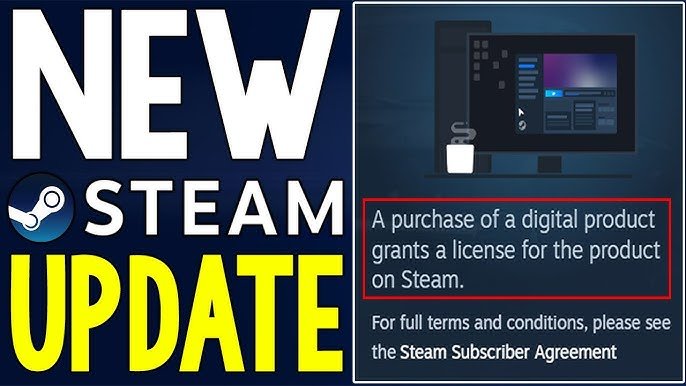
You do not own your Steam games; instead, you purchase a license to access and play them according to Steam’s terms.
Ever wondered if you truly possess the digital treasures amassed in your Steam library? The question “do you own your steam games” often surfaces among gamers. It’s easy to feel like you do since they are in your account, ready to be played.
However, the reality is a bit different than the feeling of ownership. When you “buy” a game on Steam, you are actually getting a right to use that game, not outright ownership. This distinction impacts how you interact with your digital collection and the rights you have.

Do You Own Your Steam Games?
That’s a big question, isn’t it? When you buy a game on Steam, it feels like you own it. You click “purchase,” it shows up in your library, and you can play it anytime you want. But, is that really “owning” in the same way you own a physical board game or a book? Let’s dig into what you actually get when you buy a game on Steam.
The Nature of Digital Ownership
The idea of “owning” something digital is pretty different from owning something physical. With a physical item, like a DVD or a game cartridge, you have a tangible thing you can hold. You can lend it to a friend, sell it, or even keep it on a shelf as a collector’s item. Digital content, on the other hand, is more like a license to access and use the product. It’s not a physical item, but rather data stored on a server.
What is a Digital License?
Think of a digital license like a ticket to a show. It gives you permission to access and enjoy the experience, but you don’t actually own the theater itself. With Steam games, you’re buying a license to play that specific game. This license is tied to your Steam account, not a physical copy. This is crucial to understand when discussing true “ownership” in the digital space.
The Steam Subscriber Agreement
Every time you use Steam, you agree to something called the Steam Subscriber Agreement. This is the set of rules that Valve (the company behind Steam) has laid out for how you can use the service and the games you purchase. It’s like a long contract, and most people don’t read it all the way through, but it’s important to know that this agreement is what dictates your rights regarding games bought on Steam.
This agreement spells out that when you purchase a game, you’re not buying the game itself. You’re acquiring a license to access and use the game. You don’t “own” the game’s code or the rights to redistribute it. You’re essentially renting access to it as long as the terms of the agreement are met.
What You Can and Cannot Do With Your Steam Games
So, if you don’t exactly “own” your games, what can you actually do with them? And what limitations do you have? Let’s take a look at it all:
What You Can Do
- Play the games: You can download and play the games associated with your Steam account as much as you like, as long as you follow the rules set by the agreement and the game developer.
- Install on multiple computers: You can typically install your games on multiple computers as long as you’re logged in with your Steam account. However, it is crucial to remember that you can only play on one computer at a time.
- Access cloud saves: Steam allows you to save your game progress in the cloud, meaning that you can play a game on one computer, save the game, and pick up where you left off on another computer.
- Participate in the Steam community: You can participate in the game-specific communities in steam, discuss, make friends and engage in social interactions.
- Share Games with Family: Steam’s family sharing lets you share your game library with family members.
What You Cannot Do
- Sell your games: You can’t sell your Steam games or trade them with others for money. The license is tied to your account and isn’t transferable.
- Gift your games after playing: You can gift a game to another Steam user, if they don’t already have it, when purchasing, but you can’t gift it after you’ve downloaded or activated it on your account.
- Lend your games: While you can share your library with family, you can’t freely lend your games to friends outside your family sharing setup or outside steam’s provided method.
- Distribute or copy the game: You can’t legally make copies of your games and give them to others. That would violate copyright laws.
- Access if Steam shuts down: If Valve decides to close Steam completely (which is very unlikely but theoretically possible) you will lose all access to the game you have purchased on Steam.
- Transfer games to other platforms: If you buy a game on Steam, you can’t transfer it to other platforms like Playstation, Xbox or even another PC store like Epic Games.
The Implications of Digital Licensing
Understanding that you’re licensing a game, not owning it, has some important implications. It impacts your control over your purchased content. Let’s delve into some of these important aspects:
The Risk of Revoked Access
One risk associated with digital licensing is the possibility of revoked access. While it’s rare, if a game’s publisher or Valve decide to remove the game from the store, it’s possible that you could lose access to the game you have purchased. This could happen because of legal issues, licensing problems or any business-related changes made by the company.
The Role of DRM (Digital Rights Management)
Digital Rights Management (DRM) refers to the technologies used to control access to digital content. Steam is a form of DRM, and some individual games might have their own DRM systems. DRM is designed to prevent users from illegally copying and distributing games, but it also affects what you can do with the games you have a license to play. DRM can prevent you from playing your purchased games, if you do not have internet connection to Steam, in some cases.
The Dependence on Steam
Since the games you purchase are tied to your Steam account, you are completely dependent on Steam as a platform. If Steam were to go offline for an extended period, you would not be able to access your games. If something happens with your account, you could face the possibility of losing access to your game collection. If you are using a very old computer, or have limited storage space, Steam may not work properly for you as well, which would impact the purchased games.
Changes to Terms and Conditions
Companies like Valve can update their Subscriber Agreements and terms of service. These updates can potentially change what rights you have concerning your games. While these changes generally aren’t drastic, it is crucial to stay updated with any such alterations, as they might impact your access to the purchased content.
Is This “Ownership” Fair?
Whether the licensing system is fair is a matter of ongoing discussion. On one hand, it does allow game developers to manage their content, avoid piracy, and provide game updates effectively. Digital downloads also make games more accessible and convenient than physical copies. However, on the other hand, some people argue that digital licenses do not provide the consumer with adequate rights over their content. Many believe that true ownership means having the ability to do what they want with their purchase, such as reselling them, or transferring them to another platform of their choice.
The reality of owning games on Steam is a complex topic. While it feels like you own the games because they are in your library and you can play them at any time, the technical truth is that you own a license to play that game according to terms set by Steam and the game developer. It’s not exactly the same as owning a physical copy, where you have more control over what you can do with the game.
The Future of Digital Game Ownership
The question of digital game ownership is an evolving topic. As gaming and technology advance, the way digital rights are managed may also change. There are ongoing discussions about things such as digital resale markets, user rights, and even decentralized technologies that could change the dynamics of gaming and owning digital games. Some platforms and game developers may explore new options and ideas to address these questions.
Potential Changes in the Industry
Here are some ways that the idea of digital ownership might change:
- Digital resale markets: There may be platforms that will allow users to resell their digital games without the involvement of Steam or any other game stores.
- More user control: The changes in digital rights may give players more control over what they can do with the games they have a license to play.
- Decentralized technology: Blockchain technology might enable users to have more ownership of their digital assets and have a better level of control.
- Subscription models: There may be a shift towards subscription models which provide access to libraries of games, but the model will still remain different from true ownership.
These changes can take a lot of time to occur. It is very important to stay updated on the news regarding the changes in the gaming and technology industry.
Ultimately, understanding what you are getting when you purchase games on Steam is crucial to being a well-informed player. While you are not purchasing the game itself, you are purchasing a license to enjoy it, but with some specific terms and conditions set by the seller. Recognizing this can help you make better decisions about how you interact with digital content.
You Don’t Own Your Steam
Final Thoughts
Ultimately, you have a license to play games on Steam, not true ownership. You buy access rights, tied to your account. This distinction is important for digital purchases.
Essentially, you’re renting, not owning, the software. This affects your control over games. Do you own your Steam games? The answer is legally, no. You own the access, and that must shape how you view digital game acquisitions.

