
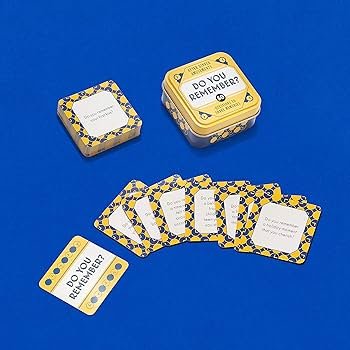
The ‘do you remember game’ typically involves one person describing a memory, and others trying to guess what they’re remembering.
Ever find yourself suddenly flooded with a childhood memory? That warm feeling, a specific smell, or a catchy tune? It’s funny how these small things trigger such vivid recollections. I was just thinking about those days of simple fun.
The topic of shared memories brought to mind ‘do you remember game,’ a simple yet fascinating activity. Do you ever play it with friends or family? It really tests how well you know each other’s past.

Do You Remember Game: A Trip Down Memory Lane
Have you ever played the “Do You Remember?” game? It’s not a game with a board or pieces, but it’s super fun and can be played just about anywhere with anyone! The whole point of this game is to spark memories and share them with others. It’s a way to connect with people by talking about the past. It is a delightful activity that often brings smiles, laughter, and a sense of nostalgia. Let’s dive into the wonderful world of the “Do You Remember?” game!
How to Play the Do You Remember Game
The rules for this game are incredibly simple, which is part of its charm. You don’t need any special equipment, just your memories and the willingness to share. Here’s a step-by-step guide on how to play:
- Gather your Players: You can play with two people or a big group. It works great with family, friends, or even new acquaintances.
- Pick a Starting Player: Decide who will go first. It doesn’t really matter how you decide; you could go by age, or the person who ate the most pizza for lunch. Just choose someone.
- Ask the Question: The starting player says, “Do you remember when…?” and then finishes the sentence with a specific event, object, or time period. For example, “Do you remember when we used to play tag in the park?” or “Do you remember when we had that old blue car?”.
- Share the Memories: Each player then has a chance to share their own memories related to the question. This is where the magic happens. You can talk about what you remember, what you felt, and any funny stories that come to mind.
- Keep the Conversation Flowing: Don’t be afraid to ask follow-up questions, or bring up new memories that the original question reminds you of. The conversation can go in many different directions, leading to all sorts of interesting discussions.
Why Play the Do You Remember Game?
This simple game is more than just a fun pastime. It has many benefits that make it a great choice for all ages:
Connecting with Loved Ones
The game provides a lovely way for people to connect on a deeper level. By sharing memories, you create a stronger bond. When you hear your family or friends tell their stories from the past, you learn more about who they are. This can make your relationship with them more meaningful.
Sparking Conversation and Storytelling
Sometimes it can be hard to start a conversation. “Do you remember” is a natural conversation starter. It gets everyone talking and sharing. It’s a great way to learn things about people you might not have known otherwise. The game often leads to the sharing of funny, moving, and interesting stories, making for enjoyable interactions.
Boosting Memory and Recall Skills
Thinking about the past helps keep your mind active and sharp. Remembering details and events from the past is good practice for your brain. It also brings back happy memories that you might have forgotten about, which can put you in a good mood.
Learning About the Past
This game is a wonderful way to learn about family or community history. By sharing recollections of earlier times, people learn what life was like before their own experiences. It can provide insight into social changes, trends, or just the evolution of everyday life. It’s like a living history lesson!
Different Ways to Play Do You Remember
The basic premise of the “Do You Remember” game is simple, but there are plenty of ways to spice it up and tailor it to different situations and people. Here are a few creative ways you can adjust it:
Themed “Do You Remember”
Instead of having free-range memories, you can pick a specific theme. This helps to focus the conversation. For example, you might try:
- Holiday Memories: “Do you remember the big snowstorm we had on Christmas Eve?”
- Childhood Games: “Do you remember playing hopscotch at school?”
- School Days: “Do you remember our favorite teacher?”
- Travel Adventures: “Do you remember that crazy road trip we took to the beach?”
- Specific Years: “Do you remember what we were doing in the year 2010?”
“Do You Remember” with Objects
Gather a collection of old photos, toys, or other items that have special meaning to the group playing. Then, show the item and ask, “Do you remember this?”. This adds a visual element that can really trigger memories and stories. Seeing a tangible piece of the past is often more effective than just words.
“Do You Remember” with Pictures
Use old photographs as prompts for the game. Show pictures from your family albums and ask, “Do you remember when this picture was taken?” or “Do you remember what happened that day?”. This is especially fun for family get-togethers and brings old photos to life.
The “Chain Reaction” Do You Remember
With this variation, each person’s “Do you remember” prompt has to be related to the last memory shared. It’s like a memory chain. If the first person says, “Do you remember our trip to the zoo?”, the next person might say, “Do you remember the monkey that stole your hat at the zoo?”. This creates a natural and engaging flow of linked memories.
“Do You Remember” with a Twist
Here’s a fun twist you can add to your game:
- “I don’t remember!”: If a person genuinely doesn’t remember what is being asked, they can simply say “I don’t remember!” instead of having to make up an answer. This can bring a bit of humor into the game.
- “Tell me more!”: Encourage people to ask further questions about each shared memory. If someone says “Do you remember our first bike ride?”, anyone can then ask “Tell me more about the bike ride, where did you go?”. This helps to extend the conversation and delve deeper into the memories.
- “Make a Story”: After a few memories have been shared, try and make a story from those memories. For example, you could pick random memories that have been mentioned and try to connect them into a fun story together. This makes the game more interactive and collaborative.
“Do You Remember” for Different Age Groups
This game is flexible enough to suit a range of age groups. You just need to adapt the topics you discuss.
Playing with Young Children
When playing with younger children, stick to memories that are from the recent past. They might not remember as far back. You could ask things like, “Do you remember what we ate for dinner yesterday?”, “Do you remember playing with your toys this morning?” or “Do you remember what happened at the park today?”. Keep it short, sweet, and simple. Focus on the immediate past and experiences they can easily recall. Using visuals like pictures or toys is often very helpful for younger children.
Playing with Tweens and Teens
Tweens and teens might like memories related to school, friends, or shared activities. Ask them, “Do you remember that school dance?”, “Do you remember that camping trip we took last summer?”, or “Do you remember the first movie we saw together?”. They enjoy reminiscing about group adventures and funny stories with their peers.
Playing with Adults
With adults, you can go way back and talk about childhood memories, life experiences, family history, and old friends. You can ask, “Do you remember when we first met?”, “Do you remember our favorite places?”, or “Do you remember what it was like before technology?”. Adults often have a rich history and a wealth of memories to share, which can make for some very engaging conversations.
Playing with Seniors
This game is especially great for seniors. It’s a gentle way to help them relive their lives and bring a feeling of joy. You could ask them, “Do you remember what you were like when you were young?” or “Do you remember that old song we used to listen to?” or “Do you remember the good old days of …?”. It’s a lovely way for them to connect with others and share precious moments from their past. This game can be adapted to suit individual memory abilities and can often bring up positive, comforting feelings.
Examples of “Do You Remember?” Questions
Here are some examples of “Do you remember?” questions that you can use to get the conversation going:
- Do you remember our first day of school?
- Do you remember our favorite cartoon growing up?
- Do you remember the time we got lost on a road trip?
- Do you remember our family pet?
- Do you remember the first time we went to the beach?
- Do you remember the best birthday gift you ever got?
- Do you remember our grandparent’s house?
- Do you remember our family camping trips?
- Do you remember the time we learned to ride our bikes?
- Do you remember the songs we used to sing together?
- Do you remember when we tried to make that crazy cake?
- Do you remember the time we laughed so hard we cried?
- Do you remember playing video games together?
- Do you remember when we collected rocks and bugs?
- Do you remember your favorite toy when we were kids?
- Do you remember that special surprise we planned for someone?
The Benefits of Memory Games
The “Do You Remember?” game, while fun and social, also falls into the broader category of memory games. These types of games have a lot of benefits for your brain:
Enhancing Cognitive Function
Memory games are a great way to keep the mind sharp. They involve recalling information, which helps to improve concentration, attention to detail, and focus. The process of remembering past events or details involves various parts of the brain and, like a workout, helps to keep those areas active and healthy.
Improving Mood and Well-being
When you think about good times from the past, it makes you feel happy! Memory games help people recall happy or meaningful experiences, which can significantly improve overall mood. It is a great way to combat feelings of sadness or loneliness. Plus, remembering funny events often leads to laughter, which is also great for overall well-being.
Promoting Social Interaction
Many memory games are social activities, and “Do You Remember?” is a perfect example. These types of games provide opportunities for people to connect, share, and interact. This social aspect is important for maintaining social skills and having fun in a group. It’s a wonderful way to build bonds and create new memories together.
Developing Creativity and Imagination
Some memory games require players to use their imagination as they recall and describe past experiences. This can help people to strengthen their creative thinking skills. Especially when recalling stories that require filling in some gaps, the players become creative in sharing their memories. This helps boost their thinking skills overall.
Reducing Stress
Engaging in memory games can serve as a fun break from the stresses of daily life. By concentrating on the game, people can temporarily put aside their worries. This can lead to a feeling of relaxation and can help to relieve stress. Remembering happy memories can also have a calming effect.
Making the Most of the Do You Remember Game
To really get the best from this game, here are a few extra tips to keep in mind:
- Be Patient: Give everyone time to think and recall their memories. Don’t rush them.
- Be Respectful: Listen carefully and don’t interrupt. Each person’s memories are important.
- Be Open-Minded: You might not remember things exactly the same way, and that’s okay! The game is about sharing different perspectives.
- Have Fun: The most important thing is to enjoy the experience and the memories you’re sharing.
So next time you are looking for a fun and easy activity to share with others, consider playing “Do You Remember?”. This simple game is a beautiful way to connect with loved ones, share laughter and stories, and revisit the precious moments that have made you who you are today.
The “Do You Remember?” game is a fantastic way to bond with others, have a good laugh, and even learn a little more about yourself and the people around you. It brings a simple joy that’s hard to beat, reminding us that the best memories are often those shared with others. It doesn’t need any fancy equipment or special skills—just a bit of curiosity and a willingness to look back together. So gather your friends and family, start the game, and get ready to travel down memory lane!
do you remember this game? 🥰
Final Thoughts
The core memory trigger is powerful. Think about the times, the laughter, and the simple joy. Do you remember game? Those childhood moments shaped us. We must cherish these memories and the feelings they evoke.
It’s more than just nostalgia. It’s a connection to our past self. We should embrace these connections. They bring us comfort and perspective.

