
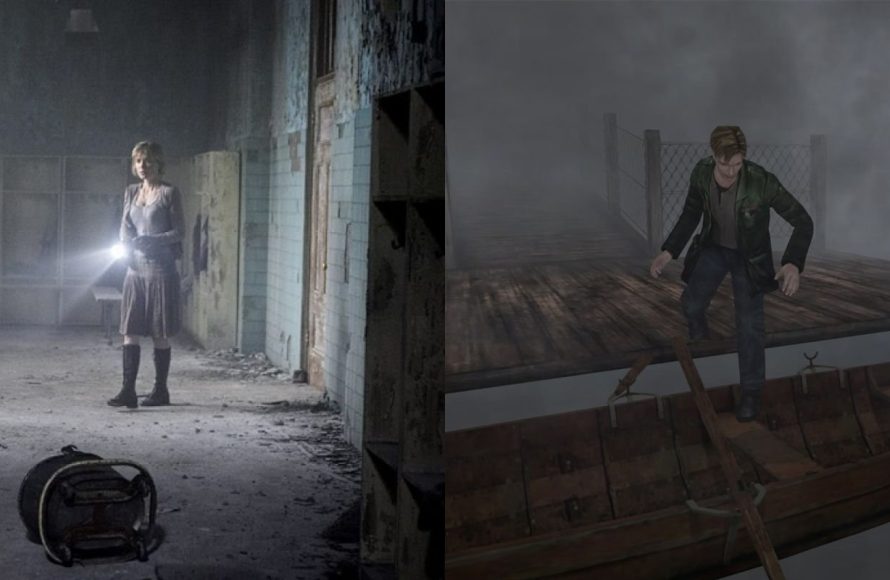
The Silent Hill movie adapts elements from the first game, but it doesn’t follow the game’s plot exactly.
The eerie fog and nightmarish creatures of Silent Hill have captivated fans for years, but the film adaptation often sparks debate. Many wonder: does the Silent Hill movie follow the game’s storyline faithfully? It’s a question that lingers with anyone familiar with the Playstation classic.
While the film captures the atmosphere and some iconic characters, it also introduces significant changes. The movie weaves its own narrative using familiar components of the Silent Hill game.

Does the Silent Hill Movie Follow the Game?
Okay, let’s dive deep into the foggy world of Silent Hill and figure out just how much the 2006 movie, Silent Hill, sticks to the story of the first video game. It’s a question many fans have asked, and the answer, like the town itself, is a bit complicated. It’s not a simple “yes” or “no.” The movie borrows a lot from the game, but it also changes some key things. Think of it like a remix of a favorite song – it sounds familiar, but it has its own beat. We’ll look at characters, plot points, the overall atmosphere, and even those scary monsters to see where the movie stays true and where it takes its own path.
The Core Concept: A Shared Foundation
Both the Silent Hill game and movie start with a similar scary premise: a young girl, Sharon (or Cheryl in the game), has terrible nightmares and sleepwalks, often muttering the name “Silent Hill.” This is the initial hook for both versions. Sharon’s adoptive mother, Rose, is determined to find out what’s happening to her daughter. This determination leads Rose into the haunted town of Silent Hill. This fundamental plotline—a mother’s journey to save her child in a nightmarish town—is a major connecting thread between the game and the movie. The movie uses this as a starting point, respecting the game’s central emotional struggle and the eerie setting. This focus on the bond between a mother and daughter is a crucial element the movie maintains. We see the desperation and courage of Rose, mirroring Harry Mason’s actions in the game. They are both driven to protect their children from this terrifying place.
Character Adaptations: Familiar Faces, Different Backstories
Let’s talk about the characters. While some characters have familiar names, the movie changes their roles and backstories.
Rose Da Silva: A Mother’s Desperation
Rose is the movie’s version of Harry Mason from the first game, but with a gender swap. She’s not the father of Cheryl, but rather her adoptive mother. This single change adds a completely new layer of complexity and emotional weight to the character. Rose’s determination to save Sharon is at the heart of the story. She’s brave, resourceful, and willing to face unimaginable horrors. While Harry was more of an everyman suddenly thrust into danger, Rose feels more like a proactive heroine driven by maternal love. Her journey and her emotional struggle mirror Harry’s, but with a distinct motherly perspective. This crucial alteration helps bring in themes of adoption and a mother’s unconditional love, which were not as prominent in the game.
Sharon Da Silva/Alessa Gillespie: The Source of the Nightmare
Sharon, the young girl, is based on Cheryl Mason from the game, and she’s also linked to Alessa Gillespie in the movie. This is where things get tricky. In the game, Alessa is the girl whose psychic powers cause the hellish manifestation of Silent Hill after being burned as a witch. Her pain and anger are what shape the town. The movie combines this concept with the character of Sharon, making her not only the daughter Rose seeks but also part of the evil that plagues the town. Sharon in the movie is actually a physical manifestation of Alessa, separated at birth. So they are both victims and part of the problem.
Cybil Bennett: The Cop Who Gets Caught Up
Cybil is the police officer who gets caught up in Silent Hill’s weirdness. She’s present in both the game and movie, though her role is somewhat expanded in the film. She provides a sense of order and reality, only to have those ideas shattered by the town’s supernatural events. Her character becomes a key partner for Rose in the movie. Cybil shows disbelief in what’s happening, mirroring the audience’s confusion and fear. She’s resourceful and loyal, and she serves as a contrast to the bizarre characters within the town.
Dahlia Gillespie: The Fanatical Mother
In the movie, Dahlia Gillespie is Alessa’s religious zealot mother, playing a major role in Alessa’s suffering and Silent Hill’s terrible condition. In the game, Dahlia was an important figure but not as central as the movie version. She’s part of the cult that tried to use Alessa’s power, leading to Silent Hill’s transformation. The movie gives her a more direct villainous role as the head of the town’s religious fanatics. Her religious fanaticism and desire to cleanse the town through fire are core to the movie’s plot, and her role as the main antagonist is a large departure from the original source material.
The Cult of Silent Hill: A Dark Religion
One of the more significant departures is how the cult is represented in the movie. In the game, the cult was a more shadowy presence, their beliefs and rituals slowly revealed. The movie, on the other hand, makes the cult a very obvious group of religious extremists. This alters how we perceive the town’s inhabitants. The movie presents them as a more overt source of evil. The cult’s fear of Alessa and their desire to destroy her is a main plot point.
Plot Points: Where the Story Deviates
While the basic premise is the same, the movie takes liberties with the story’s details.
The Origins of Silent Hill: A Fiery Past
The movie explains Silent Hill’s current state due to a mine fire and the resulting religious fervor. This ties into Alessa being burned, which is a major difference. The game’s version focused more on the town’s history and the malevolent force tied to the town. The film clearly identifies the source of the darkness, connecting it directly to Alessa’s suffering and the town’s history of fire and the religious fanaticism of its inhabitants.
The Otherworld: A Visual Spectacle
The terrifying “otherworld” is a major part of both the game and movie. The movie gives the otherworld a very clear visual identity with its decaying look and constant ashfall, showcasing the horrors of the town. The transformation from the regular world to the otherworld in the film is a striking visual highlight, moving from a foggy town to a dark, rust-filled version. This transition mirrors the game’s feel of a shift into a nightmarish reality. However, the movie’s version is far more intense and visceral than the game, creating a more graphic experience.
The Monsters: Iconic Yet Different
The movie brings to life some of the most iconic monsters from the Silent Hill series, like the Pyramid Head and the nurses. While they are visually similar to their game counterparts, their roles and meanings are different.
Pyramid Head: A Symbol of Violence
Pyramid Head, known for its large helmet and huge sword, has a more concrete role in the movie, serving as a kind of enforcer or protector for Alessa. In the game, Pyramid Head is more of a symbol of the protagonist’s subconscious desires for punishment. It’s a dark reflection of their guilt and torment. The movie changes Pyramid Head’s role to a manifestation of Alessa’s pain and wrath.
The Nurses: Silent Horrors
The nurses are also featured in both versions. They move erratically and react to sound, much like the game. However, the movie nurses have a more terrifying, almost zombie-like behavior. They move more like grotesque automatons than the creepy but more humanoid nurses in the game. This difference changes the kind of fear they induce, moving from silent dread to more overt body horror.
The Atmosphere: Capturing the Essence
Despite these differences, the movie nails the atmosphere of Silent Hill. The perpetual fog, the dark and decaying buildings, and the constant feeling of dread are all present and correct. The movie’s visuals and sound design capture the unsettling atmosphere that is the soul of the games. The feeling of being lost and isolated in the town is very much present in the movie, as it is in the game. This sense of constant unease is essential to the Silent Hill experience.
Comparing and Contrasting: Movie vs. Game
To make things clearer, let’s organize some of these differences into a table:
| Aspect | Silent Hill Game (First Game) | Silent Hill Movie (2006) |
|---|---|---|
| Main Character | Harry Mason, Cheryl’s father | Rose Da Silva, Sharon’s adoptive mother |
| Sharon/Cheryl | Harry’s daughter who went missing. | A separated physical manifestation of Alessa. |
| Alessa Gillespie | Her psychic power and pain is the core reason of the hellish state of the town. | A key part of the evil in town and connected to Sharon. |
| Dahlia Gillespie | A significant figure but not the main villain | The head of the town’s cult and a major villain. |
| The Cult | A shadowy force with ambiguous motives. | Overt religious fanatics trying to cleanse the town. |
| Pyramid Head | A symbol of the protagonist’s repressed guilt and punishment. | A protector and an enforcer of Alessa’s will and rage. |
| The Origins of Silent Hill | A malevolent force with a complex history. | Mine fire and religious extremism. |
| The Otherworld | A psychological nightmare. | A more graphic and visual manifestation of the town’s corruption. |
Why the Movie Deviates: Creative Choices
The changes in the movie aren’t necessarily mistakes. They are creative decisions made to adapt the story for a different medium. The movie had to tell a story in a two-hour runtime, which is a much shorter timeframe than the extended gameplay of a video game. By changing the main character, the film introduces new themes and focuses on a mother’s love. The movie’s use of more concrete imagery like the visual design of the “otherworld” is tailored for cinematic spectacle. The alteration of the Pyramid Head’s purpose makes it easier to understand in a film’s narrative.
A Successful Adaptation?
So, does the Silent Hill movie follow the game? In a way, yes. It gets the core idea, the atmosphere, and some iconic characters right. However, it also changes a lot of details, characters, and backstories. These changes may upset some purists, but they also make the movie a unique experience that pays homage to the original game while also standing on its own. Ultimately, the film serves as an intriguing interpretation of the game’s themes and horrors. Both versions, despite their differences, are effective in crafting a very unsettling and horrifying story.
The Silent Hill movie is not a direct copy of the first game, and it does not intend to be one. It takes the foundational elements and creates its own unique story within the framework of the original game. It’s more of an interpretation than a direct adaptation. For fans, it’s a different way to experience the nightmare of Silent Hill. It might not be exactly what they expected, but it’s still an experience worth having, and most importantly, it does get the feeling of the original game to a great extent. It should be viewed with an open mind and appreciated for its attempts at creating a horrific atmosphere and adapting such a well-loved horror video game.
Silent Hill: The Game Vs The Movie
Final Thoughts
Ultimately, the Silent Hill movie takes significant liberties. It uses the game’s core ideas and monsters but changes the narrative significantly. Many iconic scenes are present, but the story deviates greatly from the source material.
Therefore, does the silent hill movie follow the game? The answer is complicated; it adapts some elements, but it’s not a faithful recreation. Its approach is more of a reinterpretation, which will be a disappointment for purists.

