
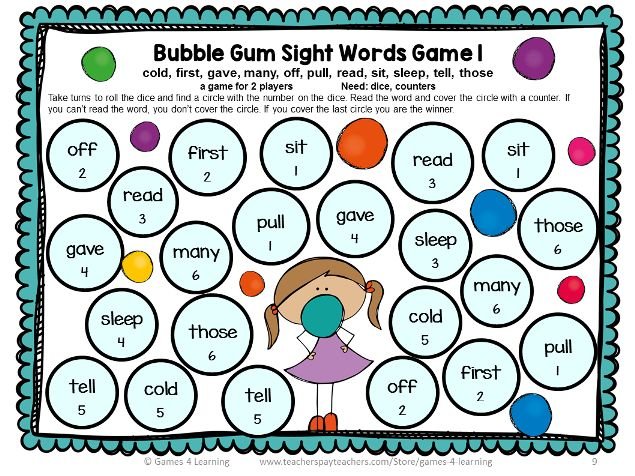
Dolch sight word games help children quickly recognize and read common words, building reading fluency and comprehension through engaging activities.
Learning to read can be an exciting journey for kids, and Dolch sight words are a crucial part of that process. These frequently used words form the foundation for early reading success.
But how do you make learning these words fun and effective? Enter Dolch sight word games!
These games turn what could be rote memorization into an enjoyable learning experience. They help children build confidence and a love for reading.

Dolch Sight Word Games
Sight words are foundational for reading fluency. These words, often defying phonetic rules, need to be recognized instantly.
Dolch sight word games make learning fun and effective. They move beyond rote memorization to engaging practice.
Why Use Dolch Sight Word Games?
Learning sight words can be a challenge for young readers. Traditional methods can feel repetitive and boring.
Dolch sight word games offer a refreshing alternative. They provide a playful environment that keeps children motivated.
These games improve word recognition speed. They also build confidence in reading.
Benefits of Game-Based Learning
Game-based learning offers several key advantages. These advantages help kids learn and retain information.
Increased Engagement: Games captivate children’s attention, making learning feel less like work.
Improved Retention: Active participation in games reinforces memory and understanding.
Reduced Anxiety: The playful atmosphere lowers stress and encourages experimentation.
Enhanced Social Skills: Many games promote teamwork and communication.
Types of Dolch Sight Word Games
There are many different types of Dolch sight word games available. These range from simple card games to interactive digital activities.
Each type caters to different learning styles and preferences. You can find a game that suits your child’s needs.
Card Games
Card games are a classic and versatile option. They require minimal materials and can be adapted to various skill levels.
Go Fish: A traditional card game using sight word cards. Players ask for cards to make matching pairs.
Memory Match: Create pairs of identical sight word cards. Players flip cards over to find matches.
Sight Word War: Players flip over a card, the player with the “higher” Dolch list card wins. This can be adapted to simply recognizing the word faster.
Board Games
Board games add a strategic element to sight word practice. They encourage turn-taking and problem-solving skills.
Sight Word Bingo: Create bingo cards with sight words. Call out words randomly and have players mark them.
Dolch Word Hopscotch: Write sight words in hopscotch squares. Have children read each word as they hop.
Digital Games
Digital games offer interactive and personalized learning experiences. Many apps and websites provide engaging sight word activities.
Online Quizzes: Test sight word knowledge with interactive quizzes. Many websites provide these free.
Educational Apps: There are many apps that focus specifically on Dolch sight words. These apps usually have multiple games and activities.
Creating Your Own Dolch Sight Word Games
You can easily create your own sight word games at home. This allows you to tailor the games to your child’s specific needs and interests.
Homemade Flashcards: Create flashcards with sight words using index cards or construction paper.
DIY Board Games: Design your own board game with sight words integrated into the gameplay.
Word Scavenger Hunt: Hide sight word cards around the house and have children find and read them.
Dolch Sight Word Game Ideas
Here are some more detailed game ideas to get you started. These games can be adapted for different age groups and skill levels.
Sight Word Swat
Write sight words on index cards and spread them out on a table. Call out a word and have children swat the correct card with a fly swatter.
This game is active and engaging, helping children to quickly recognize the words. It is great for kinesthetic learners.
Sight Word Scramble
Write sight words on separate pieces of paper or use letter tiles. Scramble the letters and have children unscramble the words.
This game helps children to develop their spelling skills and word recognition abilities. You can make it more challenging by using more difficult sight words.
Sight Word Charades
Write sight words on slips of paper and have children act out the words. The other children have to guess the word.
This game is fun and interactive, helping children to understand the meaning of the words. You can adapt the game to suit different age groups and skill levels.
Building Blocks Sight Words
Use building blocks like LEGOs or Duplos. Write a sight word on each block.
Have your child build a tower, reading each word as they stack it. You can also use this to build simple sentences.
This method combines tactile learning with reading practice. It makes learning sight words more engaging and memorable.
Sensory Bin Sight Words
Fill a sensory bin with rice, beans, or sand. Hide sight word cards within the bin.
Have your child dig through the bin to find the words and read them aloud. This integrates sensory play with sight word practice.
The sensory experience makes the learning more engaging. It helps children remember the words more effectively.
Dolch Sight Word Fishing
Create “fish” out of cardboard and attach a paperclip to each. Write a different Dolch sight word on each fish.
Make a simple fishing rod with a magnet attached to the end of a string. Have your child “fish” for the words and read them.
This game combines fine motor skills with reading. It provides a fun and interactive way to learn sight words.
Adapting Games for Different Skill Levels
It’s important to adapt games to suit each child’s skill level. This ensures that the games are challenging but not frustrating.
Beginner Level: Focus on the easiest Dolch words and use simple games like matching and flashcards.
Intermediate Level: Introduce more complex games like Bingo and Go Fish. Add more challenging Dolch words.
Advanced Level: Use games like charades and word scramble with longer and less common Dolch words.
Tracking Progress with Dolch Sight Word Games
You can track your child’s progress as they play Dolch sight word games. This helps you to identify areas where they need more support.
Keep a Record: Track the sight words that your child has mastered. Note which words they are still struggling with.
Use Assessments: Regularly assess your child’s sight word knowledge. Use formal or informal assessments to track their progress.
Adjust Games: Adjust the games to focus on the sight words that your child needs to practice.
Common Mistakes to Avoid
When using Dolch sight word games, there are some common mistakes to avoid. These mistakes can hinder your child’s progress.
Over-Reliance on Rote Memorization: Don’t focus solely on memorizing the words. Encourage understanding of the meaning and usage of the words.
Lack of Variety: Use a variety of games to keep your child engaged. Avoid sticking to the same games all the time.
Neglecting Individual Needs: Tailor the games to your child’s specific learning style and needs.
Resources for Dolch Sight Word Games
Many resources are available to help you find and create Dolch sight word games. These resources can save you time and effort.
Online Websites: Numerous websites offer free Dolch sight word games and activities.
Educational Apps: Many educational apps focus specifically on Dolch sight words.
Printable Worksheets: You can find printable Dolch sight word worksheets online.
Dolch Sight Words by Grade Level
The Dolch sight word list is divided into grade levels, from pre-primer to third grade. This helps you to introduce words in a logical progression.
Pre-Primer: These are the simplest sight words. They include words like “a,” “and,” “I,” and “it.”
Primer: This list builds on the pre-primer list. It includes words like “am,” “are,” “at,” and “be.”
First Grade: This list includes words like “after,” “again,” “an,” and “any.”
Second Grade: This list includes words like “always,” “around,” “because,” and “been.”
Third Grade: This list includes words like “about,” “better,” “bring,” and “carry.”
Integrating Dolch Sight Words into Daily Activities
You can integrate Dolch sight words into your child’s daily activities. This helps them to practice the words in a natural context.
Reading Together: Point out sight words as you read books together. Encourage your child to read the words aloud.
Writing Activities: Encourage your child to use sight words in their writing. Provide opportunities for them to write stories and letters.
Everyday Conversations: Use sight words in your everyday conversations with your child.
The Importance of Consistency
Consistency is key when teaching Dolch sight words. Regular practice will help your child to master the words.
Set a Schedule: Set aside time each day for sight word practice.
Make it Fun: Keep the practice sessions engaging and enjoyable.
Be Patient: Be patient with your child and celebrate their progress.
Advanced Dolch Sight Word Activities
Once your child has mastered the basic Dolch sight words, you can move on to more advanced activities. These activities will help them to further develop their reading and writing skills.
Sentence Building
Have your child build sentences using Dolch sight words. Provide them with a set of sight word cards and encourage them to create different sentences.
This activity helps children to understand the meaning and usage of the words in context. It also promotes creativity and critical thinking skills.
Story Writing
Encourage your child to write their own stories using Dolch sight words. Provide them with a prompt or topic and let them write freely.
This activity helps children to develop their writing skills and express their creativity. It also reinforces their understanding of the sight words.
Sight Word Games with Technology
Use technology to create engaging sight word games. There are many apps and websites that offer interactive sight word activities.
These games can be customized to suit your child’s specific needs and interests. They provide a fun and motivating way to learn sight words.
Different Editions or Implementations of Dolch Sight Word Games
There isn’t really different “editions” of Dolch word games, but rather different implementations and approaches. Here’s a comparison of a few:
Traditional Flashcard Method
Description: Simple flashcards with the sight word on one side.
Pros:
Cost-Effective: Flashcards are inexpensive to create or purchase.
Portable: Easy to take them anywhere for quick practice.
Simple: Straightforward and easy to understand.
Cons:
Repetitive: Can become boring for some children.
Passive: Doesn’t actively engage the child.
Limited Interaction: Lacks the interactive elements of games.
Interactive App Method
Description: Games and activities delivered through a digital app.
Pros:
Engaging: Often includes colorful graphics and animations.
Interactive: Responds to the child’s input and provides feedback.
Adaptive: Can adjust the difficulty level based on the child’s progress.
Cons:
Screen Time: Excessive screen time can be a concern.
Cost: Some apps require a subscription or purchase.
Distraction: The device might present distractions.
Gamified Learning Kit Method
Description: A curated set of physical games and activities.
Pros:
Hands-On: Provides tactile learning experiences.
Variety: Includes multiple game types to keep children engaged.
Comprehensive: Often includes assessments and progress trackers.
Cons:
Cost: Can be more expensive than flashcards or apps.
Storage: Requires storage space for the physical materials.
Setup: May require some initial preparation and setup.
100 Sight Words Collection for Children – Dolch Top 100 Words by ELF Learning
Final Thoughts
Dolch sight word games provide a fun and effective way for children to learn essential words. Incorporating these games into your teaching or home practice can significantly improve reading fluency. Making learning enjoyable is a must for young learners.
These games help kids memorize and recognize words instantly, which is important for comprehension. With consistent practice through engaging activities, children will build a solid reading foundation.
Therefore, consider integrating diverse ‘dolch sight word games’ into your teaching methods to aid children in their reading progress. These offer a playful and interactive approach. By doing so, you’ll foster a love for reading and accelerate their learning journey.

