
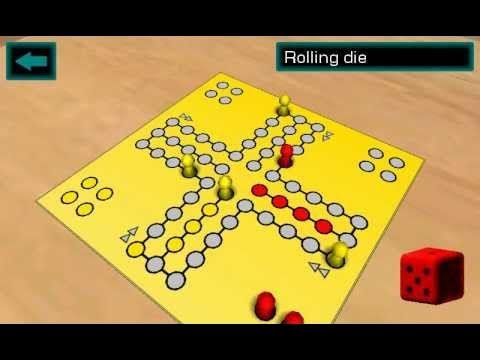
The goal of the “dont get angry game” is to move all your pieces to the finish area before other players, but you must roll a six to begin moving.
Frustration mounts, dice clatter, and a single thought echoes: “Why can’t I just roll a six?!” This is the essence of the dont get angry game, a simple board game that can quickly test your patience. It seems so easy, yet the path to victory is paved with unexpected setbacks and bursts of pure luck. You try not to show your anger, but it can be very hard.
The rules are straightforward, and the concept is familiar to many, yet the experience is always unique and occasionally infuriating. The game’s simplicity is part of its charm and also why it can sometimes feel like a personal attack on your carefully laid plans. Get ready to have fun, and maybe a bit of a meltdown!

Don’t Get Angry Game: A Deep Dive into Fun and Frustration
The “Don’t Get Angry” game, sometimes called “Ludo” or “Parcheesi” depending on where you are, is more than just a colorful board and some dice. It’s a game that has entertained families and friends for generations, testing patience, strategy, and maybe even a little bit of luck. Let’s jump into all the fun (and sometimes frustrating!) details of this classic game.
The Basics: How to Play Don’t Get Angry
At its heart, “Don’t Get Angry” is a race game. Each player has a set of pawns (usually four) and the goal is to move all of them from their starting area, around the board, and into their home base. Sounds easy, right? Well, not quite! Here’s a breakdown:
Setting Up the Game
- The Board: The game board is typically square with a track of spaces around the edge. Each player has their own colored starting area and home base, usually found on each side of the board.
- The Pawns: Each player chooses a color and receives four pawns of that color. They place these pawns in their starting area.
- The Dice: The game requires one or two dice. The roll of the die determines how many spaces a pawn can move.
Playing the Game
Players take turns rolling the die and making decisions about which pawn to move. The basic rules include:
- Starting a Pawn: A pawn can only leave the starting area by rolling a six. Some variations may require another number as well, or may allow leaving on any number. This initial roll can be a pivotal moment of the game.
- Moving Pawns: After a pawn is in play, a player moves it clockwise around the board the number of spaces indicated on the dice.
- Landing on an Opponent’s Pawn: If a player’s pawn lands on a space occupied by an opponent’s pawn, the opponent’s pawn is sent back to their starting area. This is the part of the game that can lead to some friendly (or not so friendly) frustration, giving the game its name!
- Safe Spaces: Often, there are safe spaces on the board, sometimes marked with a circle or a different color, where a pawn cannot be captured. This brings a bit of strategic placement.
- Entering the Home Base: To enter the home base, a pawn must move the exact number of spaces needed to land in the home base. For example, if a pawn is three spaces away from home and you roll a 5 you cannot move that pawn. It has to be an exact 3.
- Winning the Game: The first player to get all of their pawns into their home base wins the game!
Variations and Different Names
The “Don’t Get Angry” game has traveled the world, and as it travelled it collected many different names and slight variations in the rules. Here are a few of the most common variations:
Ludo
Ludo is perhaps the most well-known variation of the game globally. The rules are generally the same, but it might have some minor differences such as how many dice are used.
Parcheesi
Popular in North America, Parcheesi is a similar game that also involves moving pawns around a board with dice. It sometimes features a slightly different layout on the game board with added shortcuts and bonus spaces that make the game more complex.
Other Names and Adaptations
Many countries and cultures have their own version of this game with different names and slight tweaks to the rules. For example, it’s called “Mensch ärgere Dich nicht” in Germany, “Pachisi” in India (though Pachisi is also a different game played with cowrie shells instead of dice), and “Fia” in Sweden. The core gameplay of racing and sending opponents back remains the same, regardless of the names and languages involved.
Why is “Don’t Get Angry” So Popular?
So, why has a simple game of dice and pawns managed to capture hearts and minds across so many generations? Here are some reasons:
Simplicity and Accessibility
The game rules are very easy to learn, and it does not require any special skills or knowledge making it easy for people of all ages to play and enjoy the game. From young children to grandparents, everyone can understand and participate in the game.
The Thrill of Competition
Despite its simple rules, “Don’t Get Angry” is quite a competitive game. The possibility of sending an opponent’s pawn back to their starting area and watching as they get frustrated, adds a certain amount of fun and excitement to the game. The race to the finish creates a fun and tense environment.
Social Interaction
The game is a fantastic way to bring friends and family together. It encourages interactions, friendly banter, and creating some memorable moments. It is perfect for playing during family get togethers and during game nights.
Strategic Thinking
While luck does play a part in the game through dice rolls, there is also a strategic element to the game. Players have to decide when to move forward, when to block an opponent and when to risk moving a pawn. This provides a basic introduction to planning and problem-solving for kids.
Adaptability and Customization
Over the years, this game has adapted to different forms, such as the travel version, or electronic version of the game. You can even find different themed game boards or character pawns to keep the game fresh.
Strategies and Tips for “Don’t Get Angry”
While luck is definitely a factor, a few strategies can improve your game:
Early Game Strategy
- Focus on Getting Pawns Out: Your first goal should be to get all of your pawns on the board as quickly as possible. This increases your chances of moving them forward and capturing your opponent’s pawns.
- Don’t be too Aggressive Early On: It can be tempting to chase after every opportunity to send an opponent back. However, sometimes, it’s better to focus on your own pawns.
Mid-Game Strategy
- Protect Your Pawns: try to keep your pawns away from your opponent’s pawns where possible, and also try to land on the safe spaces.
- Block Opponents: If you can position your pawns in a way that blocks your opponents, this can help to slow their progress.
Late Game Strategy
- Don’t Get Caught Close to Home: Be careful to not end up just short of your home base, as this can make you an easy target for your opponent to capture your pawn.
- Prioritize Pawns Closest to Home: In the end game, pay attention to the pawns closest to your home base and focus on getting them safely to the end.
General Tips
- Pay attention: Pay close attention to the movement of your opponent’s pawns.
- Be Flexible: Be prepared to adjust your strategy if your luck with the dice rolls isn’t going your way.
- Have Fun!: This is an important rule to remember. Even when you are losing, make sure you still enjoy playing the game.
The Psychology Behind the Game
“Don’t Get Angry” is a simple game, but it plays with our emotions. This is why many of us end up “getting angry” during the game.
The Frustration Factor
The game’s nature of sending a pawn back to the start can cause some level of frustration to the players. When a player has been trying hard to move their pawns forward, this is extremely frustrating.
The Element of Luck vs Skill
The mixture of luck from the dice and skill makes “Don’t Get Angry” a game where both can be important. If a player feels like luck is against them, they may be more likely to get frustrated.
Developing Patience
The game can teach players patience. You can’t always get what you want immediately, and sometimes you have to wait for the right opportunity to make your move, this helps to develop patience and resilience.
“Don’t Get Angry” and Family Bonding
More than just a simple board game, “Don’t Get Angry” is a great way for families to spend some quality time together. Here’s how it contributes to family bonding:
Shared Experiences
Playing a game together creates shared memories and experiences that everyone can cherish. The laughter, the groans of frustration, and the cheers of victory help to form bonds within the family.
Communication and Interaction
While playing, families communicate and interact with each other. It provides opportunities for conversation, playful banter and some friendly competition within the family.
Teaching Important Life Skills
The game can teach many important life skills, such as patience, taking turns, handling wins and losses, and the ability to plan ahead. These are important skills that children can carry with them as they grow.
A Tradition Across Generations
In many families, “Don’t Get Angry” has been a tradition passed down from generation to generation. Playing the game can bring back fond memories and helps to create a link between the past and present. This makes it a special game for the family.
Modern Adaptations of “Don’t Get Angry”
In today’s world, where technology plays a huge role in our lives, “Don’t Get Angry” has been able to adapt to these changes.
Online Versions
You can now play “Don’t Get Angry” online, this is great for people who do not live close to each other and can play the game together online. Also, you can play the game against opponents from all over the world.
Mobile Apps
Numerous mobile apps of the game are available, allowing players to take the game anywhere they go. This is a great option if you are bored and wish to play a quick game while on the go.
Video Game Adaptations
There are video game versions available on different game consoles that provide a more immersive experience with added graphics and features. These features provide new ways to enjoy the game.
The Value of the Classic Game
Despite all the modern adaptations, the classic board game still holds its own. Many people like the old-fashioned board and dice and playing with the physical game pieces, as it allows for the social interactions and friendly banter that the online versions don’t offer.
The “Don’t Get Angry” game continues to be popular for many good reasons. It’s easy to learn, fun to play, and a great way for families and friends to come together and make some long-lasting memories. Whether you call it Ludo, Parcheesi or something else, this simple game of dice and pawns has been able to stay a well-loved game for all ages and generations.
Don't Get Angry 2
Final Thoughts
The simple dice rolling and moving mechanics of ‘dont get angry game’ make it easy to learn. The element of chance introduces frustrating moments, a core part of the appeal. Therefore, practicing patience becomes essential.
This game offers a simple yet intense experience. You must embrace the unexpected and react calmly to setbacks. ‘dont get angry game’ tests your self-control, while promising fun.

