
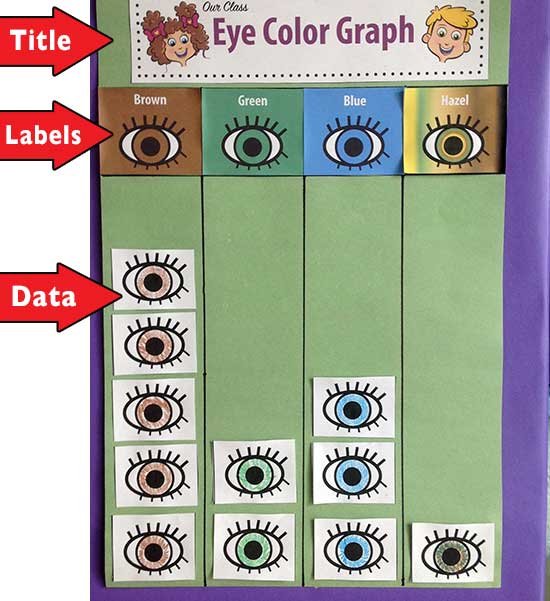
The ‘eye color game’ typically involves trying to predict or guess someone’s eye color based on their parents’ eye colors or genetics.
Ever wonder where your striking blues or captivating browns come from? The genetics behind eye color are more complex than you might think!
Many people are fascinated by predicting eye color. It all comes down to understanding how genes are passed down.
The ‘eye color game’ is a fun way to learn about heredity. Explore the basic principles to understand the possibilities for eye color in your family.

Unlocking the Secrets of the Eye Color Game
The eye color game, a fascinating blend of genetics and probability, has captivated people for generations. It explores the possibilities of a child’s eye color based on the parents’ genes. Let’s delve into the mechanics of this intriguing concept.
Understanding the Basics of Eye Color Genetics
Eye color inheritance is more complex than a simple dominant/recessive gene model, but understanding the fundamentals provides a solid foundation. Multiple genes contribute to determining eye color. This is known as polygenic inheritance.
The most influential gene is OCA2, which resides on chromosome 15. It plays a significant role in melanin production, the pigment responsible for eye, skin, and hair color.
Melanin and Eye Color
Melanin, a dark brown to black pigment, is the key player. The amount and type of melanin in the iris determine eye color. More melanin generally leads to darker eyes.
Eumelanin is the primary type of melanin associated with brown and black hues. Pheomelanin, on the other hand, contributes to lighter colors like hazel and green.
Simplified Explanation of Gene Interaction
While multiple genes are involved, we can simplify it to understand the basic principles. Imagine each parent contributing two alleles (versions of a gene) for eye color. These alleles interact to influence melanin production.
Some alleles are dominant, meaning their trait will be expressed even if paired with a recessive allele. Others are recessive, only showing their trait when paired with another recessive allele.
The “Classic” Brown vs. Blue Eye Color Scenario
The traditional explanation of eye color genetics often focuses on brown being dominant over blue. This is a good starting point, although an oversimplification.
If a person has at least one brown allele, they will typically have brown eyes. They would need two blue alleles to have blue eyes.
Possible Combinations of Brown and Blue Alleles
Let’s represent the brown allele as “B” and the blue allele as “b.” Here are the possible combinations and resulting eye colors:
BB: Brown eyes
Bb: Brown eyes (brown is dominant)
bB: Brown eyes (brown is dominant – order doesn’t matter)
bb: Blue eyes
Limitations of the Simplified Model
This brown vs. blue model doesn’t account for all the variations in eye color. It doesn’t explain green, hazel, or other shades. This model also does not account for the many different genes that influence eye color.
Beyond Brown and Blue: The Role of Other Genes
Other genes, besides OCA2, contribute to the complexity of eye color. These genes influence the amount and distribution of melanin in the iris.
These genes can modify the expression of OCA2, leading to a wider range of colors. They can also affect the production of different types of melanin.
The Significance of HERC2
HERC2, a gene located near OCA2, plays a crucial role in regulating OCA2’s activity. Certain variations in HERC2 can effectively “turn off” OCA2, reducing melanin production. This reduction can result in blue eyes.
The Influence of EYCL1, EYCL2, and EYCL3
Other genes like EYCL1 (located on chromosome 19), EYCL2 (chromosome 19), and EYCL3 (chromosome 15) also play a role. Their exact mechanisms are still being researched. These genes likely interact with OCA2 and HERC2 to fine-tune eye color.
Predicting Eye Color: The Eye Color Game Explained
The “eye color game” involves predicting a child’s eye color based on the parents’ eye colors and assumed genotypes (genetic makeup). While not a perfect science, it offers a fun way to explore genetics.
The game relies on understanding possible allele combinations and probabilities. You must consider the potential genotypes of both parents.
Creating a Punnett Square for Eye Color Prediction
A Punnett square is a visual tool used to predict the possible genotypes of offspring. It helps to illustrate the probabilities of different allele combinations.
To create a Punnett square, write the possible alleles of one parent across the top and the possible alleles of the other parent down the side. Then, fill in the squares with the corresponding allele combinations.
Example: Brown-Eyed Parent (Bb) and Blue-Eyed Parent (bb)
Let’s say one parent has brown eyes with a genotype of Bb, and the other has blue eyes with a genotype of bb. Here’s the Punnett square:
| | B | b |
| :—- | :-: | :-: |
| b | Bb | bb |
| b | Bb | bb |
This Punnett square shows a 50% chance of the child having brown eyes (Bb) and a 50% chance of having blue eyes (bb).
Interpreting Punnett Square Results
The Punnett square only provides probabilities, not guarantees. It doesn’t account for the influence of other genes.
It is important to remember that the actual outcome can vary. This exercise is meant to be a fun and educational way to understand basic genetics.
Eye Color Variations: Green, Hazel, and More
The simple brown vs. blue model doesn’t explain the full spectrum of eye colors. Green, hazel, gray, and other variations arise from complex interactions between multiple genes.
These colors result from varying amounts of melanin and how light scatters in the iris. The structure of the iris also plays a role.
Understanding Green Eyes
Green eyes typically have a moderate amount of melanin and a yellowish pigment called lipochrome. The combination of these pigments and the way light scatters in the iris creates the green appearance.
Green eyes are less common than brown or blue eyes. Their inheritance patterns are complex and not fully understood.
Deciphering Hazel Eyes
Hazel eyes are characterized by a combination of brown, green, and gold hues. The amount of each pigment can vary, resulting in different shades of hazel.
Hazel eyes often appear to change color depending on the lighting and clothing. This makes them particularly fascinating.
The Rarity of Gray Eyes
Gray eyes are relatively rare and often mistaken for blue eyes. They contain very little melanin.
The gray appearance is due to the scattering of light in the iris. Gray eyes can sometimes appear to change color as well.
Eye Color Changes: Throughout Life
Eye color is typically established in infancy, but it can sometimes change during early childhood. This change is usually due to an increase or decrease in melanin production.
The most significant changes usually occur in the first few years of life. However, subtle changes can continue throughout adulthood.
Eye Color Changes in Newborns
Many babies are born with blue or gray eyes. This is because their irises haven’t yet produced their full complement of melanin.
As the baby grows, melanin production increases, potentially changing the eye color to brown, green, or hazel.
Factors Influencing Eye Color Changes
Genetics play the primary role in determining eye color changes. However, other factors, such as exposure to sunlight and certain medical conditions, can also have an impact.
Certain medications and medical treatments can also affect eye color. These changes are usually temporary.
Factors Affecting Eye Color: Beyond Genetics
While genetics are the primary determinant of eye color, other factors can influence its appearance. Lighting, clothing, and even health conditions can play a role.
Understanding these factors can help explain why eye color sometimes seems to shift. They can also play a role in how we perceive eye color.
The Impact of Lighting
Different types of lighting can affect how we perceive eye color. Natural light often reveals the true color of the iris.
Artificial light, on the other hand, can alter the appearance. Fluorescent lighting may make eyes appear duller, while incandescent lighting can make them appear warmer.
The Influence of Clothing and Makeup
The colors of clothing and makeup can create optical illusions. Certain colors can enhance or diminish the apparent color of the eyes.
For example, wearing a green shirt might make green eyes appear more vibrant. Conversely, wearing a contrasting color might make the eyes appear a different shade.
Medical Conditions and Eye Color
Certain medical conditions can affect eye color. These conditions are rare but can cause noticeable changes.
For example, heterochromia, a condition where the two eyes have different colors, can be caused by genetic mutations or certain medical conditions.
Advanced Eye Color Genetics: A Deeper Dive
The simplified explanations of eye color genetics are useful for understanding the basics. However, the actual mechanisms are far more complex and involve a multitude of genes and interactions.
Researchers are still working to unravel the full complexity of eye color inheritance. New discoveries are constantly being made.
The Role of Gene Regulatory Regions
Gene regulatory regions are sections of DNA that control the expression of genes. Variations in these regions can affect how much melanin is produced in the iris.
These regulatory regions can be located near the genes they control or even at distant locations on the same chromosome. They fine-tune the expression of melanin production.
Epigenetics and Eye Color
Epigenetics refers to changes in gene expression that are not caused by alterations in the DNA sequence itself. These changes can be influenced by environmental factors.
Epigenetic modifications can affect how genes are turned on or off, potentially influencing eye color. This field is still under investigation.
Tools and Resources for Exploring Eye Color Genetics
Several online tools and resources are available for those interested in exploring eye color genetics further. These resources can provide more detailed information and help you understand the probabilities involved in the eye color game.
These resources are useful for both casual learners and serious researchers. They can provide a deeper understanding of this fascinating topic.
Online Eye Color Calculators
Online eye color calculators are tools that predict a child’s eye color based on the parents’ eye colors. These calculators typically use simplified genetic models and provide probabilities for different outcomes.
It’s important to remember that these calculators are not perfect. They should be used for entertainment and educational purposes only.
Genetics Databases and Research Articles
Genetics databases, such as those maintained by the National Institutes of Health, provide valuable information about genes involved in eye color. These databases contain detailed information about gene sequences, functions, and variations.
Research articles published in scientific journals offer in-depth analyses of eye color genetics. These articles can provide insights into the latest discoveries and research findings.
Ethical Considerations of Genetic Prediction
While predicting eye color is a harmless pastime, it’s important to consider the ethical implications of genetic prediction in general. Genetic information can be sensitive and should be handled with care.
It’s important to respect individuals’ privacy and autonomy when dealing with genetic information. Genetic information should not be used to discriminate against individuals.
Privacy and Genetic Information
Genetic information should be kept private and confidential. Individuals have the right to control who has access to their genetic information.
Genetic testing should be performed only with informed consent. The potential risks and benefits of genetic testing should be carefully considered.
Discrimination Based on Genetics
Genetic information should not be used to discriminate against individuals. Discrimination based on genetics is illegal in many countries.
Individuals should not be denied employment, insurance, or other opportunities based on their genetic makeup.
How good are your eyes 👀 | Color test | Find the odd colour out
Final Thoughts
To sum up, the exploration of genetics reveals how fascinating inheritance patterns are. Eye color is a prime example, and understanding its complexities opens doors to more profound knowledge.
The ‘eye color game’ becomes less random when we consider all contributing genes. This is a simplified view of a complex biological process.
Ultimately, genetics and family history are must play important roles in determining your eye color.

