
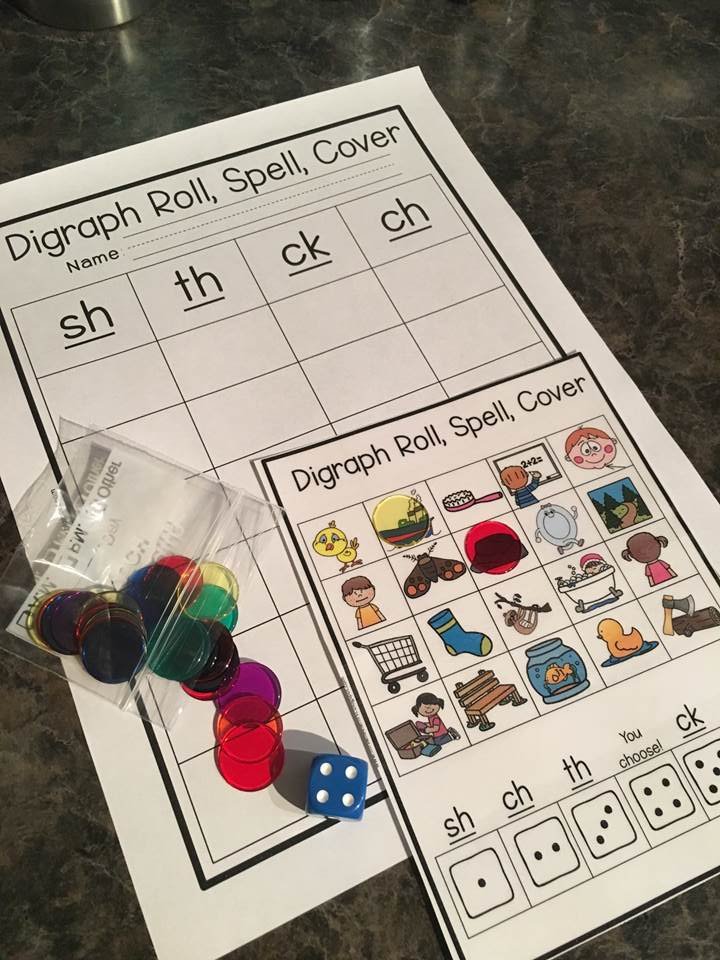
Fundations games are interactive activities designed to reinforce phonics skills taught in the Fundations reading program, making learning fun and engaging for students.
Here’s the requested content:
Want to make learning to read a blast? Fundations games are the perfect way to do just that! These activities build a strong foundation in phonics while keeping kids entertained.
These games offer hands-on practice with letter sounds, blending, and segmenting. They make learning these core literacy skills feel less like work and more like play.
Integrating Fundations games into your lessons or at home helps children solidify their reading skills. Get ready to see their confidence soar!

Fundations Games: Making Learning Fun
Fundations is a structured literacy program. It’s designed to teach reading and spelling skills. Games are a fantastic way to reinforce these skills.
This article explores various Fundations games. We’ll cover games suitable for different skill levels.
Why Use Games in Fundations Instruction?
Games provide a fun and engaging way to learn. They help students stay motivated.
Games also reinforce learned concepts. Repetition is key for mastery.
Fundations Games for Level K
Level K Fundations focuses on the alphabet. Students learn letter sounds and handwriting.
Letter Sound Bingo
Letter Sound Bingo is a simple, effective game. It helps students associate letters with their sounds.
Create bingo cards with letters on them. Call out letter sounds instead of the letter names. Students mark the corresponding letter on their card.
The first student to get bingo wins! This reinforces auditory discrimination.
Letter Formation Hopscotch
This game combines physical activity with letter formation. Draw a hopscotch grid with letters in each square.
Have students hop and say the letter sound. This kinesthetic activity improves retention.
It makes learning active and fun. Students engage with the material in a different way.
Build-a-Word with Letter Tiles
Provide letter tiles to students. Have them build simple CVC (consonant-vowel-consonant) words.
Start with words like “cat,” “dog,” and “sun.” This helps students understand blending.
It also reinforces phoneme-grapheme correspondence. Students connect sounds to written letters.
Fundations Games for Level 1
Level 1 introduces digraphs and blends. It also builds on CVC word knowledge.
Digraph Go Fish
Create cards with digraphs (sh, ch, th, wh, ck). Play Go Fish using digraph sounds.
For example, a student might ask, “Do you have the card that makes the /sh/ sound?” This reinforces digraph recognition.
It encourages students to think about the sounds. They must recall the matching grapheme.
Blend Towers
Use building blocks to create towers. Write blends (bl, cl, fl, gl, pl, sl, br, cr, dr, fr, gr, pr, tr, sc, sk, sm, sn, sp, st, sw) on the blocks.
Students stack the blocks and say the blend. This enhances blend recognition and pronunciation.
It is a hands-on way to practice reading blends. The building aspect adds to the engagement.
Tap It Out Game
Write simple words on a whiteboard. Have students tap out the sounds as they read the word.
For example, for the word “ship,” tap your head for /sh/, your shoulder for /i/, and your hip for /p/. This reinforces phonemic awareness.
It strengthens the connection between sounds and letters. The physical tapping helps with segmenting.
Fundations Games for Level 2
Level 2 introduces vowel teams and r-controlled vowels. It builds on previously learned skills.
Vowel Team Memory Match
Create cards with vowel teams (ai, ay, ee, ea, oa, ow, ou, oo) and corresponding pictures. Play Memory Match.
Students flip over cards, trying to find matching pairs. This improves vowel team recognition.
It is a visual way to practice vowel teams. Students remember the visual pattern and sound.
R-Controlled Vowel Spinner Game
Create a spinner with r-controlled vowels (ar, er, ir, or, ur). Students spin the spinner.
They then must say a word with that r-controlled vowel. This reinforces r-controlled vowel sounds.
This makes practicing r-controlled vowels more interactive. The spinning element adds excitement.
Syllable Segmentation Puzzles
Create puzzles where each piece represents a syllable. Have students put the puzzles together to form words.
For example, “but-ter-fly.” This strengthens syllable segmentation skills.
It helps students break down longer words. They learn to identify individual syllables.
Adapting Fundations Games for Different Learners
It’s important to adapt games to meet individual needs. This ensures all students can participate and succeed.
For Students Who Need More Support
Simplify the rules of the game. Provide visual aids.
Offer one-on-one support. Break down tasks into smaller steps.
For Students Who Need More Challenge
Increase the complexity of the words. Add time limits.
Encourage students to create their own games. This fosters creativity.
Online Fundations Games and Resources
Many online resources offer Fundations-aligned games. These can be a great supplement to classroom instruction.
Websites with Fundations Games
Starfall: Offers a variety of phonics games.
ABCya!: Includes interactive reading activities.
Learning Games for Kids: Provides phonics and spelling games.
These websites offer engaging activities. They reinforce key Fundations concepts.
Apps for Fundations Practice
Montessori Crosswords: Helps with spelling and phonics.
Endless Alphabet: Introduces letters and sounds.
Starfall ABCs: Focuses on alphabet recognition.
These apps offer a fun way to practice skills. They can be used at home or in the classroom.
Creating Your Own Fundations Games
You can easily create your own games. Use materials you already have.
DIY Game Ideas
Word Sorts: Sort words based on vowel sounds, blends, or digraphs.
Sentence Building: Use word cards to build sentences.
Sound Matching: Match pictures with corresponding sounds.
These activities are easy to prepare. They can be adapted to different skill levels.
Tips for Game Creation
Keep it simple: Don’t make the rules too complicated.
Make it engaging: Use colorful materials and fun themes.
Focus on the skill: Ensure the game reinforces the target skill.
By following these tips, you can create effective games. They will enhance Fundations instruction.
Fundations Games: A Detailed Look at Specific Examples
This section dives deeper into specific game examples. It offers detailed instructions and variations.
“Scoot” Game with Fundations Words
“Scoot” is a fast-paced, engaging game. It keeps students active and focused.
1. Preparation: Create cards with Fundations words. Place a card on each student’s desk.
2. Gameplay: Students read the word on their card. They write it down on their answer sheet.
3. Transition: When you say “Scoot!”, students move to the next desk. They read and write the word on that card.
4. Continuation: Continue until students have visited all the desks.
This game is a great way to review vocabulary. It gets students moving and interacting.
“I Have, Who Has” Game for Phoneme Isolation
This game helps students practice phoneme isolation. It also reinforces listening skills.
1. Preparation: Create cards. Each card should have “I have [word]” and “Who has a word that starts with [sound]?”
2. Gameplay: Distribute the cards. The student with the first card reads their card. “I have ‘cat’. Who has a word that starts with /d/?”
3. Continuation: The student with the matching word reads their card. “I have ‘dog’. Who has a word that starts with /s/?” Continue until all cards have been read.
This game is excellent for auditory processing. It reinforces sound identification.
“Four in a Row” Game with Fundations Concepts
This is a classic game with a Fundations twist. It reinforces various concepts.
1. Preparation: Create a 4×4 or 5×5 grid. Fill each square with a Fundations word, blend, digraph, or vowel team.
2. Gameplay: Two players take turns. They choose a square and read the word/concept correctly. If correct, they mark the square with their symbol (X or O).
3. Objective: The first player to get four in a row wins.
This game reinforces reading fluency. It provides repeated practice.
Integrating Fundations Games into Daily Instruction
Games shouldn’t be just an occasional activity. Integrate them into your daily Fundations instruction.
Using Games as Warm-Ups
Start each lesson with a quick game. This activates prior knowledge.
It gets students engaged from the beginning. It sets a positive tone for learning.
Using Games for Review
Use games to review previously learned concepts. This reinforces retention.
It helps students solidify their understanding. It identifies areas that need further instruction.
Using Games for Assessment
Observe students during games. Assess their understanding of Fundations concepts.
This provides valuable informal assessment data. It informs your instructional decisions.
Fundations Games Editions and Feature Comparisons
Different editions of Fundations might require slight adjustments to the games you use. Always adapt to match the specific content being taught.
Fundations is periodically updated to reflect current research and best practices. Make sure the games align with the specific edition being taught.
Fundations Second Edition Games
The second edition focuses heavily on explicit instruction. Games should directly reinforce skills taught in the lessons.
Emphasis on Accuracy: Games should prioritize accuracy over speed. Students need to correctly identify and apply phonics concepts.
Structured Gameplay: Games should have clear rules and objectives. This helps students stay focused and on task.
Targeted Skills: Games should target specific phonics skills. Focus on blends, digraphs, vowel teams, and r-controlled vowels.
Fundations Third Edition Games
The third edition builds upon the second edition. It includes some refinements and enhancements.
Enhanced Engagement: The third edition encourages more interactive and engaging activities. Games are crucial.
Differentiation: Games need to be easily adaptable to different learning needs. Provide modifications and extensions.
Technology Integration: Consider incorporating technology into the games. Online games and apps can enhance learning.
Addressing Common Challenges with Fundations Games
Sometimes, implementing games can present challenges. Here are some tips for addressing them.
Managing Student Behavior
Establish clear expectations for behavior during games. This helps maintain order and focus.
Use positive reinforcement to encourage good behavior. Provide rewards for following the rules.
Ensuring All Students Participate
Modify the games to meet the needs of all learners. Provide support and accommodations.
Create a positive and inclusive environment. Encourage all students to participate.
Monitoring Progress and Providing Feedback
Observe students during games. Monitor their progress and understanding.
Provide immediate feedback. Correct errors and offer encouragement.
The Benefits of Incorporating Fundations Games
Incorporating games into Fundations instruction offers numerous benefits. It enhances learning and engagement.
Increased Student Motivation
Games make learning fun and engaging. This increases student motivation and participation.
Students are more likely to stay focused and on task. They enjoy learning through play.
Improved Retention of Concepts
Games reinforce learned concepts through repetition. This improves retention and understanding.
Students are better able to recall and apply phonics skills. They internalize the concepts more effectively.
Enhanced Phonemic Awareness
Many Fundations games focus on phonemic awareness. This improves students’ ability to hear and manipulate sounds.
Students develop stronger reading and spelling skills. They become more confident learners.
Fundations Games
Final Thoughts
In short, fundations games make phonics instruction engaging. They reinforce essential literacy skills in a playful way.
Use these games to practice letter sounds and blending. These activities greatly help students build a strong foundation.
Ultimately, the key is to incorporate variety and fun. Fundations games must be a part of your reading instruction.

