
Game design internships with no experience
often require showcasing passion through personal projects, networking, and demonstrating relevant skills learned independently.
So, you’re dreaming of crafting worlds and gameplay, but feel stuck because you need experience to get experience? Many aspiring game designers face this hurdle. Landing those coveted game design internships no experience can seem like climbing a mountain.
Don’t worry; it’s absolutely possible to break into the industry. It takes a strategic approach and a willingness to learn and showcase your potential. We’ll show you how to turn your passion into a portfolio that speaks volumes!

Game Design Internships No Experience
Landing a game design internship without prior experience can feel like an insurmountable challenge. Don’t be discouraged; it’s absolutely achievable with the right approach. Many studios are willing to invest in passionate individuals who demonstrate potential.
What exactly are they looking for? It’s less about polished projects and more about raw talent and a willingness to learn.
Understanding the Landscape
Game design internships offer invaluable insights into the industry. They provide hands-on experience that classrooms can’t replicate.
These internships allow you to learn from seasoned professionals. You’ll gain exposure to various aspects of game development.
The Importance of a Strong Portfolio (Even Without Experience)
Even without professional experience, you can build a compelling portfolio. Showcase your passion and skills through personal projects.
Focus on demonstrating your understanding of game design principles. This is more important than showcasing perfectly polished games.
What to Include in Your Portfolio
Your portfolio is your first impression. Make it count by including relevant projects and documentation.
Game Design Documents (GDDs): A GDD outlines your game’s concept, mechanics, and features. It’s a great way to showcase your design thinking.
Level Designs: Create detailed level layouts, even if they’re conceptual. Explain your design choices and the player experience you’re aiming for.
Game Mechanics Prototypes: Demonstrate specific game mechanics in simple playable prototypes. Focus on core gameplay loops.
Modifications (Mods): Modifying existing games showcases your ability to work within established systems. It also demonstrates problem-solving skills.
Personal Projects: Any game-related project, no matter how small, can be included. Highlight your role and contributions.
Skills to Highlight
Certain skills are highly valued in entry-level game design roles. Emphasize these skills in your application and portfolio.
Passion for Games: This is the most crucial attribute. Showcase your enthusiasm for game design and the industry.
Strong Problem-Solving Abilities: Game design is all about identifying and solving problems. Provide examples of how you’ve tackled challenges in the past.
Creativity and Innovation: Demonstrate your ability to come up with unique and engaging game ideas.
Communication Skills: Game design involves collaborating with various team members. Effective communication is essential.
Technical Proficiency: Familiarity with game engines like Unity or Unreal Engine is a plus. Even basic scripting knowledge can be beneficial.
Understanding of Game Design Principles: Showcase your knowledge of core concepts like game mechanics, level design, and player experience.
Finding Game Design Internships
Several online resources can help you find game design internships. Explore these platforms regularly to stay updated on new opportunities.
Company Websites: Check the career pages of game development studios you’re interested in. Many companies list internships directly on their websites.
Online Job Boards: Websites like Indeed, LinkedIn, and Glassdoor often feature game design internships. Use relevant keywords in your searches.
Game Development Communities: Participate in online forums and communities dedicated to game development. These platforms can be a great source of information and networking opportunities.
University Career Services: If you’re a student, take advantage of your university’s career services. They often have connections with game development companies.
Networking Strategies
Networking is crucial for breaking into the game industry. Building relationships can open doors to internship opportunities.
Attend Game Development Conferences: Events like GDC (Game Developers Conference) and PAX provide opportunities to meet industry professionals.
Join Online Communities: Engage in discussions on forums, social media groups, and Discord servers related to game development.
Connect with Game Developers on LinkedIn: Reach out to game developers whose work you admire. Ask for advice and insights.
Participate in Game Jams: Game jams are events where you create a game from scratch within a short time frame. They’re a great way to network and showcase your skills.
Crafting a Winning Application
Your application is your chance to shine. Tailor your resume and cover letter to each specific internship opportunity.
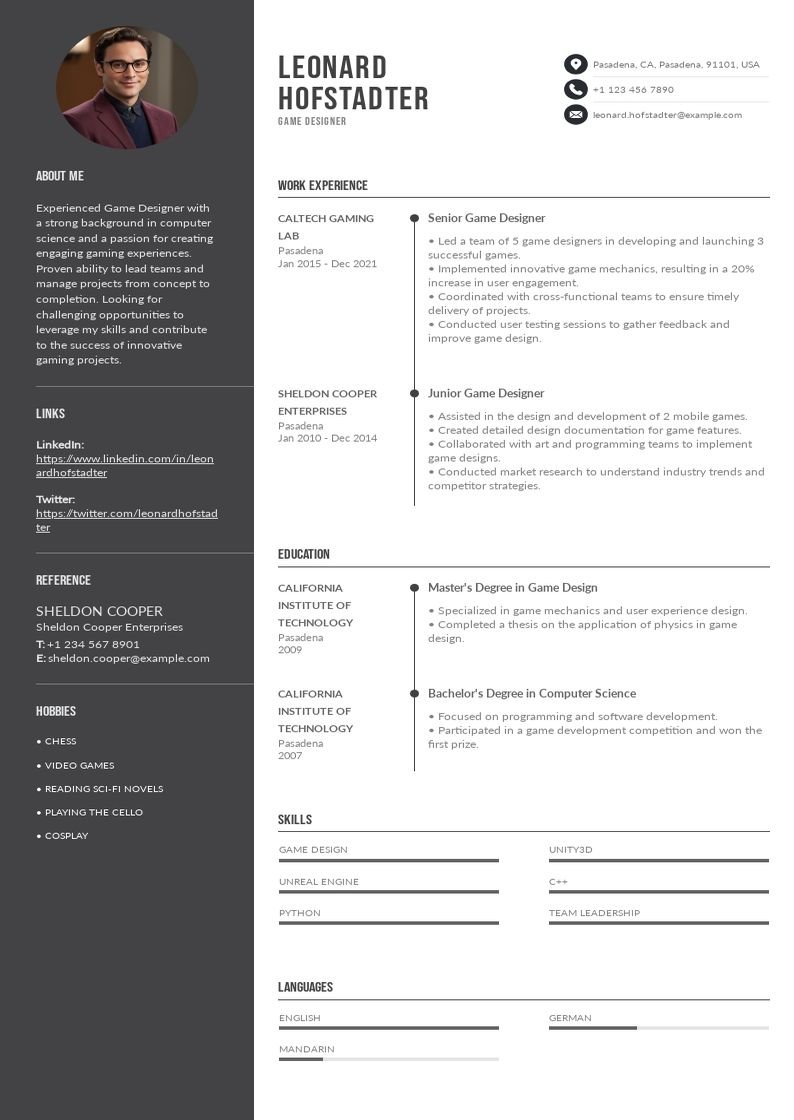
Resume: Highlight your relevant skills, projects, and experiences. Even non-game-related experiences can be valuable if they demonstrate transferable skills.
Cover Letter: Express your passion for game design and explain why you’re a good fit for the internship. Address the specific requirements of the role.
Portfolio: Ensure your portfolio is well-organized and easy to navigate. Showcase your best work and explain your design process.
The Importance of Tailoring Your Application
Generic applications rarely stand out. Customize your resume, cover letter, and portfolio to match the specific requirements of each internship.
Research the company and the role. Highlight the skills and experiences that align with their needs.
Aceing the Interview
If you land an interview, be prepared to answer questions about your passion for game design, your skills, and your portfolio.
Prepare for Common Interview Questions: Practice answering questions about your favorite games, your design philosophy, and your problem-solving approach.
Be Ready to Discuss Your Portfolio: Be prepared to explain your design decisions and the challenges you faced in your projects.
Ask Thoughtful Questions: Asking questions shows your interest in the company and the role. Prepare a list of questions in advance.
Demonstrate Enthusiasm: Let your passion for game design shine through. Show that you’re eager to learn and contribute.
Essential Game Design Concepts to Know
Familiarizing yourself with fundamental game design concepts will significantly improve your chances. Understanding these ideas demonstrates your commitment to the craft.
Game Mechanics: These are the rules and systems that govern how a game works. Understanding core mechanics is crucial.
Level Design: This involves creating engaging and challenging environments for players to explore.
Player Experience (UX): Focus on creating a fun and intuitive experience for the player.
Game Balancing: This ensures that the game is challenging but fair.
Game Theory: Understanding game theory can help you design engaging and rewarding game experiences.
Free Resources for Learning Game Design
Numerous free resources are available to help you learn game design. Take advantage of these opportunities to expand your knowledge and skills.
Online Courses: Platforms like Coursera, edX, and Udemy offer free introductory courses on game design.
YouTube Tutorials: Many game developers and educators share tutorials on YouTube.
Game Development Communities: Online forums and communities offer a wealth of information and support.
Game Engines (Free Versions): Unity and Unreal Engine offer free versions that you can use to create your own games.
Staying Motivated and Persistent
The journey to landing a game design internship can be challenging. It’s important to stay motivated and persistent.
Set Realistic Goals: Break down your goals into smaller, achievable steps.
Celebrate Your Successes: Acknowledge your progress and celebrate your achievements.
Learn from Your Mistakes: Don’t be discouraged by setbacks. Use them as opportunities to learn and improve.
Seek Support: Connect with other aspiring game designers and share your experiences.
The Power of Personal Projects
Don’t underestimate the value of personal projects. They’re a great way to demonstrate your skills and passion, even without formal experience.
Start Small: Begin with simple projects that you can complete relatively quickly.
Focus on Learning: Use personal projects as opportunities to experiment and learn new skills.
Document Your Process: Keep track of your design decisions and the challenges you face.
Share Your Work: Get feedback from other developers and players.
Examples of Successful “No Experience” Projects
Looking at examples can provide inspiration for your own projects. These examples showcase the kind of work that can impress potential employers.
Remakes of Classic Games: Recreating a classic game can demonstrate your understanding of game mechanics and level design.
Unique Game Mechanics Prototypes: Develop a prototype that showcases a novel and engaging game mechanic.
Interactive Fiction Games: Create a text-based adventure game with compelling characters and storylines.
Simple Puzzle Games: Design a series of challenging and rewarding puzzles.
Leveraging Game Jams for Experience
Participating in game jams provides a fast-paced environment to develop games and collaborate with others. It’s a fantastic way to gain experience and expand your portfolio.
Find Game Jams: Websites like itch.io list upcoming game jams.
Team Up: Collaborate with other participants to create a game within the given timeframe.
Focus on Core Gameplay: Prioritize creating a fun and engaging core gameplay loop.
Document Your Contributions: Keep track of your role and responsibilities during the jam.
The Importance of Feedback and Iteration
Getting feedback on your work and iterating on your designs is essential for growth. This process helps you refine your skills and create better games.
Seek Feedback from Peers: Ask other developers and players for their opinions on your work.
Be Open to Criticism: Don’t take feedback personally. Use it as an opportunity to learn and improve.
Iterate on Your Designs: Use feedback to refine your game mechanics, level design, and player experience.
Staying Up-to-Date with Industry Trends
The game industry is constantly evolving. Staying up-to-date with the latest trends and technologies is crucial for staying competitive.
Read Industry News: Follow game development websites and blogs to stay informed about the latest news and trends.
Attend Conferences and Events: Conferences like GDC and PAX offer opportunities to learn about new technologies and network with industry professionals.
Experiment with New Technologies: Try out new game engines, tools, and techniques.
Alternative Paths to Game Design
If you’re struggling to find a direct game design internship, consider alternative paths to gain experience. These paths can provide valuable skills and knowledge.
Quality Assurance (QA) Testing: QA testing involves playing games and identifying bugs. It’s a great way to learn about game design from a different perspective.
Modding: Modifying existing games can provide valuable experience in game mechanics and level design.
Freelance Game Design: Offer your services as a freelance game designer on platforms like Upwork and Fiverr.
Long-Term Career Goals
Think about your long-term career goals in game design. Use internships and other opportunities to gain the skills and experience you need to achieve those goals.
Identify Your Strengths: Determine what aspects of game design you’re most passionate about and where your skills lie.
Set Career Milestones: Define the steps you need to take to achieve your career goals.
Continuously Learn and Grow: Never stop learning and expanding your skills.
Building a Strong Online Presence
Having a strong online presence can help you get noticed by potential employers. Showcase your skills and passion for game design through your website, social media profiles, and online portfolio.
Create a Professional Website: Showcase your portfolio, resume, and contact information on a professional website.
Use Social Media Strategically: Share your work and engage with other game developers on social media platforms like Twitter and LinkedIn.
Participate in Online Communities: Engage in discussions and share your knowledge on online forums and communities.
How to Get Into the Games Industry – A Recruiter's Top 5 Tips
Final Thoughts
Therefore, gaining relevant skills is crucial. Build a portfolio showcasing your passion and dedication to game design. Focus on personal projects and volunteer work.
Network actively and attend industry events. Your enthusiasm and willingness to learn will make you stand out.
Landing game design internships no experience might seem challenging. Remember to highlight your transferable skills and eagerness to contribute. Focus on getting game design internships no experience and build your future career!

