
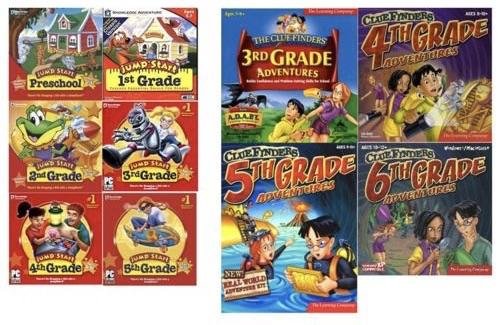
For games like Jumpstart that blend learning with fun, consider titles like ABCmouse, Starfall, and Reading Eggs, which offer engaging educational activities for young children.
Here’s the response:
Remember those early days of learning through play? I certainly do! It makes a great foundation for loving to learn.
If you’re on the hunt for games like Jumpstart, experiences that make education a blast for kids, you’re in the right spot.
We’re exploring some fantastic alternatives, offering similar educational value and entertainment. Get ready to find some great choices for your children!

`
Games Like Jumpstart: Engaging Educational Alternatives
`
Jumpstart games were a childhood staple for many. They offered a fun and engaging way to learn essential skills.
But what if you’re looking for something similar, either because you’ve outgrown Jumpstart or want to introduce your child to new learning adventures? Let’s explore some fantastic alternatives.
Why Look for Jumpstart Alternatives?
Jumpstart had its strengths. However, it’s beneficial to consider different options for a few reasons.
Evolving Needs: Children’s learning needs change as they grow. Different games may better suit their specific requirements at each stage.
Variety is Key: Exposure to diverse learning methods can enhance comprehension and retention. A broader range of educational games can keep learning exciting.
Technological Advancements: Modern educational games often incorporate updated graphics, interactive elements, and adaptive learning technologies. These features enhance the overall learning experience.
Top Educational Game Alternatives to Jumpstart
Here are several games that offer a similar educational experience to Jumpstart, focusing on different age groups and learning areas.
ABCmouse.com
ABCmouse is a popular subscription-based program. It offers a comprehensive curriculum for children aged 2-8.
Comprehensive Curriculum: It covers reading, math, science, art, and music. The activities are designed to be engaging and interactive.
Age-Appropriate Content: The content is carefully curated for different age groups. This ensures that children are challenged appropriately.
Progress Tracking: Parents can track their child’s progress. This helps monitor their learning and identify areas where they might need extra support.
Adventure Academy
Adventure Academy, also from the creators of ABCmouse, caters to older children, ages 8-13. It takes a more immersive approach to learning.
Immersive World: It presents a vast virtual world where children can explore and complete learning quests. This approach makes learning feel like an adventure.
Wide Range of Subjects: It covers subjects like language arts, math, science, social studies, and more. The curriculum aligns with elementary and middle school standards.
Social Interaction: Children can interact with other learners in a safe and moderated environment. This fosters collaboration and social skills.
Starfall
Starfall is a free website and app. It primarily focuses on teaching children to read.
Emphasis on Phonics: It uses a systematic phonics approach. This method helps children learn to decode words and develop strong reading skills.
Interactive Activities: It features interactive games, songs, and activities. These make learning to read fun and engaging.
Free Access: A significant portion of its content is available for free. This makes it accessible to a wide range of users.
Prodigy Math Game
Prodigy Math Game is a free, engaging math game. It’s designed for students in grades 1-8.
Adaptive Learning: It adapts to each student’s skill level. This ensures that they are always challenged appropriately.
Gamified Learning: It incorporates game mechanics. These make learning math fun and motivating.
Curriculum-Aligned Content: It aligns with North American math curricula. This ensures that students are learning relevant and useful skills.
Khan Academy Kids
Khan Academy Kids is a free app designed for children ages 2-8. It offers a variety of educational activities.
Comprehensive Learning: It covers math, reading, social-emotional development, and more. The activities are designed to be engaging and interactive.
Personalized Learning Paths: It creates personalized learning paths for each child. This caters to their individual needs and learning styles.
Free and Accessible: It is completely free. This makes it accessible to everyone.
PBS Kids Games
PBS Kids Games offers a wide selection of free educational games. These feature popular PBS characters.
Character-Based Learning: The games feature popular PBS characters. This makes learning familiar and engaging.
Diverse Learning Areas: It covers various subjects. This includes math, reading, science, and social studies.
Free Access: All games are available for free. This makes it a great option for parents looking for free educational content.
BrainPOP Jr.
BrainPOP Jr. provides animated educational videos and activities. It’s geared towards children in kindergarten through third grade.
Animated Videos: It uses engaging animated videos to explain complex concepts. This makes learning more accessible and entertaining.
Interactive Quizzes: It includes interactive quizzes. These help children test their understanding of the material.
Variety of Subjects: It covers a wide range of subjects. This includes science, social studies, reading, writing, and math.
Osmo
Osmo combines physical play with digital learning. It offers a unique interactive learning experience.
Hands-On Learning: It uses physical game pieces. These interact with an iPad to create an interactive learning experience.
Variety of Games: It offers a variety of games. These cover subjects like math, coding, drawing, and spelling.
Engaging and Fun: It is designed to be engaging and fun. This makes learning enjoyable for children.
Learning Without Tears
Learning Without Tears focuses on handwriting and pre-writing skills. It offers a comprehensive curriculum.
Focus on Handwriting: It specializes in teaching handwriting skills. This is a crucial skill for young learners.
Multisensory Approach: It uses a multisensory approach. This involves using visual, auditory, and kinesthetic learning techniques.
Structured Curriculum: It provides a structured curriculum. This helps children develop strong handwriting skills.
Tynker
Tynker teaches children to code through interactive games and projects. It’s a great way to introduce coding concepts.
Coding Education: It focuses on teaching children coding skills. This is an increasingly important skill in today’s world.
Game-Based Learning: It uses game-based learning. This makes learning to code fun and engaging.
Creative Projects: Children can create their own games and apps. This fosters creativity and problem-solving skills.
Comparing Features: A Deeper Dive
To help you make a more informed decision, let’s compare some key features of these Jumpstart alternatives.
ABCmouse vs. Adventure Academy
These are both from the same company, but they target different age groups. Let’s see how they stack up.
ABCmouse (Ages 2-8):
Focus: Early learning, foundational skills.
Subjects: Reading, math, science, art, music.
Interface: Simple and colorful, designed for young children.
Cost: Subscription-based.
Adventure Academy (Ages 8-13):
Focus: Expanding knowledge, complex concepts.
Subjects: Language arts, math, science, social studies.
Interface: Immersive virtual world, more complex gameplay.
Cost: Subscription-based.
Starfall vs. Khan Academy Kids
Both offer free content, but they differ in their approach and scope.
Starfall (Ages 4-9, primarily reading focused):
Focus: Reading, phonics.
Subjects: Reading (primarily).
Interface: Simple and straightforward.
Cost: Mostly free, with some paid content.
Khan Academy Kids (Ages 2-8):
Focus: Comprehensive early learning.
Subjects: Math, reading, social-emotional development, creative expression.
Interface: Colorful and engaging, with a variety of activities.
Cost: Free.
Prodigy Math Game vs. Tynker
One focuses on math, while the other focuses on coding.
Prodigy Math Game (Grades 1-8):
Focus: Math skills.
Subjects: Math.
Interface: Gamified learning environment with quests and rewards.
Cost: Free with optional premium features.
Tynker (Ages 5+):
Focus: Coding skills.
Subjects: Coding, programming.
Interface: Block-based coding interface, visual and intuitive.
Cost: Subscription-based, with some free introductory content.
Choosing the Right Game for Your Child
Selecting the best educational game depends on several factors. Consider your child’s age, learning style, and interests.
Age Appropriateness: Ensure the game is designed for your child’s age group. Content should be challenging but not overwhelming.
Learning Style: Consider if your child learns best through visual, auditory, or kinesthetic methods. Choose games that align with their learning style.
Interests: Select games that align with your child’s interests. This will keep them engaged and motivated to learn.
Educational Goals: Identify the specific skills you want your child to develop. Choose games that focus on those areas.
Trial Periods/Free Content: Take advantage of free trials or free content. This will let you test the game before committing to a subscription.
The Importance of Screen Time Balance
While educational games can be beneficial, it’s important to balance screen time with other activities. Encourage outdoor play, reading, and social interaction.
Limit Screen Time: Set reasonable limits on screen time. This prevents overuse and promotes a healthy lifestyle.
Encourage Physical Activity: Encourage outdoor play and physical activity. This is crucial for overall health and well-being.
Promote Social Interaction: Facilitate social interaction with peers. This helps develop social skills and emotional intelligence.
Read Together: Read books together as a family. This fosters a love of reading and strengthens family bonds.
Creative Activities: Encourage creative activities like drawing, painting, and building. This helps develop imagination and problem-solving skills.
Beyond Games: Complementary Learning Resources
Educational games are a great tool. However, they should be part of a broader learning ecosystem. Consider these complementary resources.
Books: Reading is essential for developing literacy skills. Provide access to a wide variety of books.
Educational Toys: Educational toys can enhance learning through play. These can include building blocks, puzzles, and science kits.
Hands-On Activities: Hands-on activities like science experiments and art projects can make learning more engaging.
Museums and Zoos: Visiting museums and zoos can provide real-world learning experiences.
Online Courses: Online courses can supplement learning in specific areas. There are many online resources available for kids of all ages.
Ensuring a Safe Online Experience
When using online educational games, it’s crucial to ensure a safe online experience for your child.
Parental Controls: Use parental controls to monitor and restrict your child’s online activity. This can help prevent access to inappropriate content.
Privacy Settings: Review and adjust privacy settings. This protects your child’s personal information.
Online Safety Education: Teach your child about online safety. This helps them to identify and avoid potential risks.
Monitor Activity: Monitor your child’s online activity. This helps you identify any potential problems early on.
Open Communication: Maintain open communication with your child about their online experiences. This allows them to feel comfortable sharing any concerns they may have.
Future Trends in Educational Gaming
The world of educational gaming is constantly evolving. Expect to see even more innovative and engaging learning experiences in the future.
Personalized Learning: AI-powered personalized learning will become more prevalent. Games will adapt to each child’s individual needs and learning style.
Augmented Reality (AR): AR will integrate digital content with the real world. This creates more immersive and interactive learning experiences.
Virtual Reality (VR): VR will transport children to virtual learning environments. This allows them to explore and learn in new and exciting ways.
Gamification of Education: Gamification will continue to be a key trend. Educational content will be increasingly integrated into game mechanics.
Focus on Social-Emotional Learning (SEL): Educational games will increasingly focus on developing social-emotional skills. This helps children learn to manage their emotions, build relationships, and make responsible decisions.
Armors in RPG games be like
Final Thoughts
If you write in passive voice you failed the prompt.
Jumpstart ignited a love for learning in many. Educational games provide interactive learning experiences. They can build essential skills.
These options offer engaging gameplay and educational content. They cater to various ages and subjects. Your child must have access to such games.
In short, various excellent games like Jumpstart are available. They provide entertaining methods for children to learn. These games like Jumpstart are readily accessible and beneficial.

