
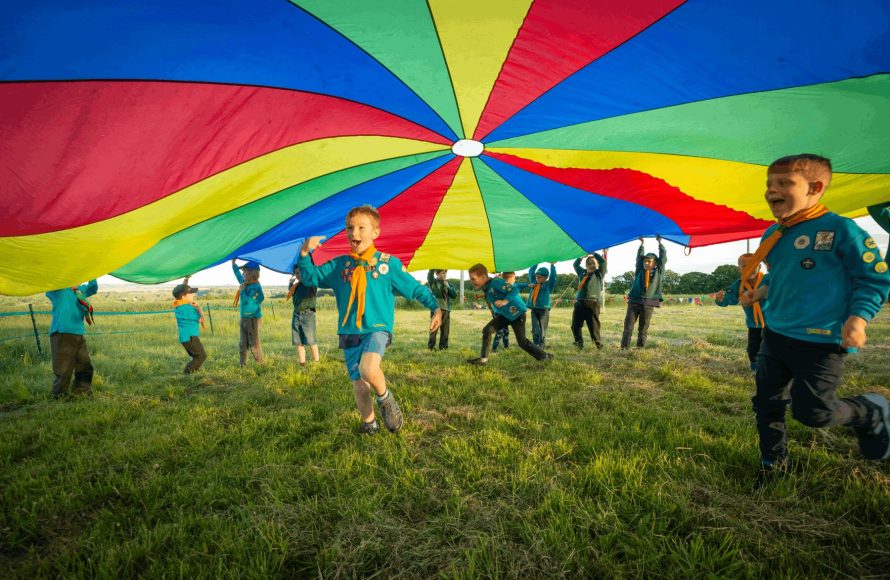
Giant parachute games are a fantastic way to promote teamwork, coordination, and fun physical activity among groups of children or adults using a large, colorful parachute.
Here’s the response:
Remember that feeling of pure joy as a kid, playing games with friends? Now imagine that joy amplified, expanded, and billowing above you in a riot of color! We’re talking about giant parachute games, a classic activity that never fails to bring smiles.
These aren’t just simple pastimes; they’re tools for teaching important social skills and encouraging healthy movement. They offer a unique experience for everyone involved.
Ready to learn about some incredible ways to utilize these oversized playthings? Let’s dive into the world of giant parachute games!

Giant Parachute Games: A Comprehensive Guide
Giant parachute games offer fantastic opportunities for fun, exercise, and social interaction. They are perfect for schools, camps, parties, and team-building events. Let’s dive into the world of these colorful and engaging activities!
What is a Giant Parachute?
A giant parachute, also often called a ‘play parachute’ or ‘cooperation parachute’, is a large circular piece of fabric. It comes with handles around the edge. These handles allow a group of people to grip and manipulate the parachute, creating waves and other movements.
They’re designed for cooperative play. They promote teamwork and communication.
Benefits of Playing Giant Parachute Games
Playing giant parachute games has numerous benefits for participants of all ages. These benefits span physical, social, and emotional development. It’s more than just fun and games.
Physical Activity: It encourages active movement and exercise. Participants get to run, jump, and reach.
Teamwork Skills: Games require cooperation and coordination. Players learn to work together towards a common goal.
Communication Skills: Players need to communicate effectively. They must coordinate their movements and strategies.
Social Skills: It promotes interaction and social engagement. Participants learn to cooperate and share.
Cognitive Development: Games can enhance problem-solving and critical thinking skills. Some games involve strategy and coordination.
Sensory Stimulation: The parachute’s movement and colors provide sensory input. This can be beneficial for children with sensory processing issues.
Essential Giant Parachute Games
There are a variety of giant parachute games to choose from, each with its own unique set of rules and challenges. Here are a few popular options.
Mushroom
This classic game is simple but engaging. Everyone holds onto the edge of the parachute.
On a signal, they lift their arms simultaneously. This creates a “mushroom” shape as the parachute fills with air.
Popcorn
Place lightweight balls (like gator balls or soft balls) on top of the parachute. Participants then create waves to make the “popcorn” bounce around.
The goal is to keep the balls on the parachute for as long as possible. It’s a great way to encourage teamwork and coordination.
Shark Attack
One or two players are designated as “sharks” and sit under the parachute. The other players stand around the edge, holding onto the parachute.
The leader calls out “Shark Attack!” and a number. The number indicates how many players must drop under the parachute.
The sharks try to tag the players. Tagged players become sharks in the next round.
Parachute Tag
One player is designated as “it.” The players holding the parachute create waves.
“It” tries to tag another player while they are under the parachute. The tagged player then becomes “it.”
Making Waves
This simple game involves creating different types of waves. The leader can call out “small waves,” “big waves,” or “ocean waves.”
Participants adjust their arm movements to create the corresponding wave sizes. It teaches participants about coordination and responding to commands.
Cat and Mouse
One player is the “cat” and another is the “mouse.” The cat tries to catch the mouse as they crawl under the parachute.
The other players move the parachute up and down to make it more challenging. This game is particularly good for developing spatial awareness.
Color Call Out
The instructor calls out a color of the parachute. Participants holding that color must switch places with someone else holding the same color. All while keeping the parachute afloat.
Number Exchange
Assign each person a number. Call out two numbers and those people have to change places under the parachute before the parachute falls. This game promotes quick thinking and reactions.
The Turtle
Everyone kneels and holds the edge of the parachute, pulling it tight. On the count of three, everyone leans back, pulling the parachute over their heads to create a “turtle shell.” This creates a sense of shared experience.
Choosing the Right Size Parachute
Selecting the correct size of the parachute is crucial for a successful and enjoyable experience. The size depends on the number of participants and their age. Here’s a general guideline:
12 ft Parachute: Suitable for 6-10 children. Ideal for small groups or younger children.
20 ft Parachute: Suitable for 10-20 children. A good all-around size for various group sizes.
24 ft Parachute: Suitable for 20-25 children. Best for larger groups and older children.
30 ft Parachute: Suitable for 25-30 children. Appropriate for very large groups or outdoor events.
Consider the age and size of the participants. Ensure everyone can comfortably reach and hold the parachute handles.
Factors to Consider When Buying a Giant Parachute
When purchasing a giant parachute, there are several factors to consider to ensure you’re getting a durable and safe product.
Material: Look for durable, tear-resistant materials like nylon or polyester. These materials can withstand repeated use and outdoor conditions.
Handles: Check the number and placement of handles. Ensure they are securely attached and evenly spaced around the perimeter.
Seams: Examine the seams for quality stitching and reinforcement. Strong seams are essential for preventing rips and tears.
Ventilation: Some parachutes have ventilation holes. These allow air to escape, making it easier to control the parachute’s movement.
Storage Bag: A storage bag makes it easy to transport and store the parachute. It helps protect the material from damage.
Safety Standards: Ensure the parachute meets relevant safety standards. This will ensure it is free from harmful chemicals and materials.
Safety Guidelines for Giant Parachute Games
Safety should always be a top priority when playing giant parachute games. Following these guidelines can help prevent injuries.
Supervision: Always have adult supervision present. Ensure that supervisors understand the rules and safety precautions.
Clear the Area: Remove any obstacles from the playing area. This includes rocks, sticks, and other potential hazards.
Proper Grip: Teach participants how to grip the parachute handles correctly. They should avoid wrapping the handles around their hands or wrists.
Controlled Movements: Emphasize controlled and coordinated movements. Avoid sudden or jerky motions that could cause injury.
Awareness: Encourage players to be aware of their surroundings. They need to pay attention to other players and avoid collisions.
Breaks: Provide frequent breaks to prevent fatigue. Players should have the opportunity to rest and rehydrate.
Weather Conditions: Avoid playing in strong winds or inclement weather. Wind can make the parachute difficult to control.
Appropriate Clothing: Wear appropriate clothing and footwear. Avoid loose clothing or jewelry that could get caught on the parachute.
Surface: Use a soft, grassy surface if possible. This will cushion falls and minimize the risk of injury.
Adapting Parachute Games for Different Age Groups and Abilities
Giant parachute games can be adapted to suit different age groups and abilities. This ensures that everyone can participate and enjoy the activity.
Younger Children
Simpler Games: Focus on simpler games like “Mushroom” or “Making Waves.” These games require less coordination and are easier for young children to understand.
Smaller Parachutes: Use smaller parachutes that are easier for young children to handle. A 12-foot parachute is ideal for small groups of young children.
Slower Pace: Slow down the pace of the games and provide clear instructions. Break down complex tasks into smaller, more manageable steps.
Older Children and Adults
More Complex Games: Introduce more challenging games like “Shark Attack” or “Parachute Tag.” These games require more strategy and coordination.
Larger Parachutes: Use larger parachutes to accommodate more participants. A 24-foot or 30-foot parachute is suitable for larger groups.
Increased Pace: Increase the pace of the games and encourage more active participation. Challenge participants to improve their coordination and teamwork skills.
Individuals with Disabilities
Adaptive Equipment: Provide adaptive equipment as needed. This may include modified handles or assistive devices.
Individualized Support: Offer individualized support and assistance. Help participants adapt their movements and strategies to suit their abilities.
Modified Rules: Modify the rules of the games to accommodate different abilities. This may involve simplifying the tasks or reducing the level of physical exertion.
Focus on Inclusion: Emphasize inclusion and participation. Create a supportive and welcoming environment where everyone feels comfortable and valued.
Creating Your Own Giant Parachute Games
Don’t be afraid to get creative and invent your own giant parachute games! Here are a few tips to help you get started.
Brainstorm Ideas: Gather a group of friends or colleagues and brainstorm ideas for new games. Consider incorporating elements from other games or activities.
Keep it Simple: Start with simple rules and gradually add complexity. Avoid making the games too complicated or confusing.
Test it Out: Test your new games with a small group of participants. Get feedback and make adjustments as needed.
Adapt and Modify: Be prepared to adapt and modify your games based on participant feedback. Continuously refine your games to make them more engaging and enjoyable.
Consider Variations: Think about variations of existing games. Could you add a new rule to “Mushroom?”
Maintenance and Storage of Your Giant Parachute
Proper maintenance and storage can extend the life of your giant parachute. Following these tips can help keep your parachute in good condition.
Cleaning: Clean the parachute regularly with mild soap and water. Avoid using harsh chemicals or abrasive cleaners.
Drying: Allow the parachute to air dry completely before storing it. Do not put it in a dryer.
Storage: Store the parachute in a cool, dry place. Avoid storing it in direct sunlight or extreme temperatures.
Repairs: Repair any rips or tears promptly. Use a needle and thread or a patch kit to fix minor damage.
Folding: Fold the parachute neatly before storing it. This will prevent wrinkles and creases.
Giant Parachute Games: Indoors vs. Outdoors
Giant parachute games can be played both indoors and outdoors. Each setting offers unique advantages and challenges.
Indoor Play
Controlled Environment: Indoor play provides a controlled environment. You don’t have to worry about weather conditions or uneven terrain.
Smaller Space: Indoor spaces are typically smaller than outdoor spaces. Choose smaller parachutes and adapt the games to fit the available space.
Noise Levels: Be mindful of noise levels when playing indoors. Parachute games can be loud, so consider the impact on other people in the building.
Outdoor Play
Open Space: Outdoor play offers plenty of open space. This allows for larger parachutes and more freedom of movement.
Natural Light: Outdoor play provides natural light and fresh air. This can enhance the overall enjoyment of the activity.
Weather Considerations: Be aware of weather conditions when playing outdoors. Avoid playing in strong winds, rain, or extreme temperatures.
Giant Parachute Games and Sensory Integration
Giant parachute games can be a valuable tool for sensory integration. The parachute’s movement and colors provide sensory input that can be beneficial for children with sensory processing issues.
Tactile Input: The parachute’s fabric provides tactile input. This can help children develop their sense of touch and texture.
Vestibular Input: The parachute’s movement provides vestibular input. This can help children improve their balance and coordination.
Visual Input: The parachute’s colors provide visual input. This can help children develop their visual tracking and perception skills.
Proprioceptive Input: Holding and moving the parachute provides proprioceptive input. This helps children understand where their body is in space.
By incorporating giant parachute games into sensory integration activities, therapists and educators can help children develop their sensory processing skills and improve their overall functioning.
Using Giant Parachutes for Team Building Exercises
Giant parachutes are an excellent tool for team-building exercises. They promote communication, cooperation, and problem-solving skills.
Shared Goals: Parachute games require participants to work together towards a shared goal. This fosters a sense of unity and collaboration.
Communication: Players need to communicate effectively to coordinate their movements. This enhances communication skills and promotes active listening.
Problem-Solving: Some parachute games involve problem-solving challenges. Players need to strategize and find solutions together.
Trust: Parachute games require trust and reliance on others. This helps build stronger relationships and a sense of community.
Leadership: Parachute games provide opportunities for leadership. Individuals can take initiative and guide the group.
Giant Parachute Games for Parties and Celebrations
Giant parachute games are a fun and engaging activity for parties and celebrations. They can be adapted to suit different themes and age groups.
Birthday Parties: Incorporate parachute games into birthday parties. Choose games that are appropriate for the age of the children.
Holiday Celebrations: Adapt parachute games to fit holiday themes. Use holiday-themed props and music to create a festive atmosphere.
School Events: Use parachute games at school events. They can be a fun way to promote teamwork and cooperation.
Giant Parachute Games: Variations and Modifications
There are countless variations and modifications you can make to giant parachute games. This allows you to keep the activities fresh and engaging.
Add Music: Play music during parachute games. Choose songs that are upbeat and energetic.
Use Props: Incorporate props into the games. This could include balls, beanbags, or scarves.
Change the Rules: Modify the rules of the games to make them more challenging or easier.
Create Challenges: Introduce challenges to the games. This could involve timing participants or setting specific goals.
Combine Games: Combine elements from different games to create new and unique activities.
Advanced Parachute Game Techniques
For those looking to take their parachute game skills to the next level, here are some advanced techniques.
Advanced Wave Techniques
Ripple Waves: Creating ripple waves involves a coordinated movement where the wave starts small and gradually increases in size as it travels around the parachute. This requires precise timing and communication.
Choppy Waves: This creates a more chaotic and unpredictable movement. It’s achieved by having different sections of the parachute move at varying speeds and directions.
Symmetrical Waves: Requires careful coordination to ensure the wave is evenly distributed around the entire parachute.
Parachute Art
Creating Shapes: With careful coordination, you can manipulate the parachute to create various shapes in the air. This can include stars, hearts, or even letters.
Color Patterns: By strategically positioning players with different colored sections of the parachute, you can create intricate color patterns as the parachute moves.
Giant Parachute FAQs
What is the best material for a giant parachute? Nylon or polyester are the most common and durable options.
How do I clean my giant parachute? Use mild soap and water. Air dry completely before storing.
What size parachute should I get? Consider the number of participants and their ages.
How do I store my giant parachute? Fold it neatly and store it in a cool, dry place, away from direct sunlight.
Are giant parachute games safe? Yes, when played with proper supervision and safety guidelines.
Our Top 5 Parachute Activities for PE
Final Thoughts
In short, giant parachute games provide simple fun and promote teamwork. Playing these games builds cooperation and communication skills.
It is an ideal activity for any group size and helps everyone participate. These games enhance social interaction and physical activity.
Giant parachute games are a fantastic way to create memorable experiences. They encourage active fun for all ages and abilities. Parachute play is great!

