
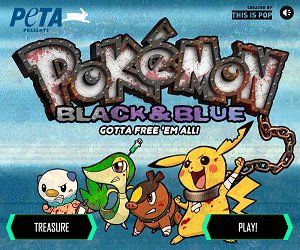
Yes, PETA’s games have made an impact, often sparking debate and raising awareness about animal welfare issues, though their effectiveness is frequently contested.
Video games, often seen as pure entertainment, can also serve as powerful tools for advocacy. This brings up the core question: has PETA’s games made an impact? It’s a query worth exploring, considering PETA’s controversial but memorable approach to using gaming as a platform.
Some argue PETA’s games have successfully provoked conversations and drawn attention to their cause. Others feel the impact is minimal, even counterproductive due to the games’ sometimes exaggerated and often criticized content.

Has Peta’s Games Made an Impact?
Let’s talk about PETA and their video games. You might know PETA as the group that cares a lot about animals. They’ve made some video games to get people thinking about how animals are treated. But the big question is: have these games actually changed anything? It’s a pretty interesting topic, and we’re going to explore all the different sides of it today.
What Kind of Games Does PETA Make?
PETA doesn’t make your typical action-packed or puzzle-solving games. Instead, they focus on games that try to show real-world situations and get people to consider ethical issues around animals. These games often put you in the shoes of an animal facing difficult or unfair conditions. They want to make you think about how animals are treated in industries like farming, fishing, and even in some forms of entertainment. It’s less about high scores and more about trying to change your perspective. Think of them as educational games, but instead of math or history, they teach about animal rights.
Common Themes in PETA Games
These games often showcase certain reoccurring themes. Here’s a breakdown:
- Animal Abuse in Food Production: Many games focus on showing the conditions animals face in factory farms. They might depict overcrowding, unsanitary living conditions, and the processes involved in meat production.
- Animal Testing: Another theme is the use of animals in laboratory experiments. These games try to highlight the suffering these animals go through in the name of research.
- Animal Entertainment: Games may tackle the use of animals in circuses, zoos, and other entertainment venues, demonstrating the challenges and limitations placed on those creatures.
- Veganism and Animal Welfare: Some games may suggest solutions like going vegan as a way to help animals, and highlight alternative, compassionate choices.
The idea behind using these themes is to make players feel empathy. Instead of just hearing about animal cruelty, they want you to experience it through the game’s narrative and gameplay.
How Do PETA’s Games Try to Influence Players?
PETA’s games are designed to be impactful, and they employ certain techniques to try to influence how you think. These methods aren’t just about showing you bad stuff happening to animals; they want to connect with you on an emotional level. Here’s how they do it:
Emotional Storytelling
Many of these games use storytelling to connect with you. They often create characters (animals) that you care about. This makes it more likely you’ll be affected by what happens to those characters during the gameplay. If you feel like you’re invested in an animal, it can be a powerful way to get you to think about how real animals are treated.
Interactive Experiences
Instead of just watching a video or reading an article, you actively participate in these games. When you have to make choices that affect the animal characters, it can create a much deeper connection with the game’s themes. It makes you think about real choices people face when it comes to animal care.
Shock Value
Some PETA games use shock tactics to get their point across. They might graphically show what happens to animals in some situations to make sure the player understand the cruelty involved. This isn’t always the most comfortable approach, but it’s designed to leave a lasting impact and spark change. PETA tries to use this strategy for games that deal with serious topics, like animal abuse.
Direct Messages
The games often have clear messages that tell you what PETA thinks you should do, like going vegan or refusing to visit animal attractions. They may include facts and figures about animal welfare in a manner that’s easily understood. This helps to solidify the message of the game.
Criticism of PETA’s Games
PETA’s games are not without their critics. While some people believe they are doing good work, others have strong issues with these games. These criticisms often focus on the way the games portray certain topics and their effectiveness. Here’s a rundown of the common critiques:
Exaggerated Portrayals
Critics sometimes argue that PETA’s games greatly exaggerate animal treatment. They think that it’s wrong to show only the very worst situations, and that these representations aren’t always realistic. For example, some say that the games use extreme situations to promote their vegan agenda, and it’s not a fair picture of all animal-related industries.
Sensationalism
The use of shock value and graphic content has been criticized. Some say it uses fear to influence people instead of using logic. They think this can turn people off or make them less likely to take the message seriously. The argument is that sometimes the games can be sensational and more about attracting attention than having any meaningful effect.
Oversimplification of Complex Issues
Complex topics like animal agriculture and testing are very complex. Critics say that PETA’s games tend to simplify these topics, and they don’t give a full picture of the situation. They might ignore some of the factors involved in the economy, culture, and the need for scientific research. The games are often seen as “black and white,” when there are many shades of gray involved.
Game Quality
Some say the PETA games are not very well designed or fun to play. Because of this, it can make it hard for players to get through the game and be influenced by the message. These games often have limited game mechanics and graphics. The low quality can detract from their message.
Positive Impacts of PETA’s Games
Despite the criticisms, PETA’s games may have led to positive results. It’s important to consider both sides of this issue to get a balanced perspective. Let’s explore some potential positive impacts:
Raising Awareness
One of the most important achievements of the games is that they bring animal issues into public discussions. PETA’s games have reached a lot of people, and they’ve made many people aware of animal rights. These games do help make people think about how animals are treated. Even if they don’t agree with everything PETA promotes, the games can get people to consider the topic.
Sparking Conversations
These games also get people talking. Discussions about animal welfare are important, and the games can act as a starting point for these discussions. Whether in classrooms, homes, or online, people are sharing the games. This can help to change social norms regarding animal rights over time.
Encouraging Activism
PETA’s games can inspire some people to become animal activists. These people may start volunteering for animal shelters, become vegetarians or vegans, or start speaking out against animal cruelty. The impact of the games can be seen in how players approach daily life and become involved in animal rights.
Promoting Empathy
By putting players in the perspective of animals, the games can help people feel more empathetic towards them. This shift in thinking can affect how people interact with animals. When people feel more connected to animals, they are more likely to treat them well.
How the Games Fit into PETA’s Larger Mission
It’s essential to understand how PETA’s games fit into their broader objectives. They don’t view their games as standalone products. Rather, they see them as educational tools for spreading awareness about their cause. Here’s how they relate to PETA’s overall mission:
Advocacy through Media
PETA uses various media outlets to get their message to people, like protests and advertisements. Their video games form part of this approach, aimed at making people more open to what they advocate. They utilize a lot of different ways to bring their message to the public.
Engaging Younger Generations
Video games are popular with many children and young adults. PETA is using games to engage young people because they are considered to be future advocates for animals. By starting these conversations at a young age, they hope to make a lasting impact on the next generation.
Pushing for Policy Changes
One way to affect change is via policy. PETA hopes that these games will lead to more public support for laws that protect animals. By influencing public opinion, they hope to create a demand for stricter regulations and better treatment of animals.
Creating Change through Education
PETA believes that education is vital for making a difference. The games are intended to be educational tools to teach people about the harsh realities of animal exploitation and the different choices they can make to improve animal welfare. They hope that well-informed people are more likely to take action.
Measuring the True Impact
Measuring the actual impact of PETA’s games is quite challenging. There’s no way to tell precisely how many people have made real changes in their behavior due to playing the games. We can, however, observe certain trends and gather information to draw some conclusion:
Anecdotal Evidence
Many people who played PETA games say that these games have affected them. Sometimes these players have gone on to make changes in their own lifestyles and choices. This kind of information is important because it offers a glimpse at how games can have a meaningful impact on individuals.
Social Media Engagement
The games frequently gain attention on different social media platforms. When people share and discuss these games, it can mean that they are also thinking about animal rights. Looking at social media can tell us how wide-ranging the reach of these games really is.
Changes in Public Perception
Looking at how people think and feel about animal welfare may also give an indication of the impact of these games. If the public has become more aware and empathetic regarding animal issues, then it can mean that PETA’s games are making a difference in the public.
Studies on Behavior Change
Researchers have looked at how games can affect people’s attitudes and actions. The findings on this have been mixed. It’s an area that is still being studied, but research can offer important information on the effects of these games.
In conclusion, PETA’s games exist in a complex space, drawing both praise and criticism. These games definitely raise awareness, spark discussions, and sometimes motivate changes in attitude. However, they also face valid criticism for their method of portraying issues. It’s clear that video games are able to change public opinion regarding animal rights. They show us the many different ways people use video games to influence people’s thoughts on social issues.
The time Peta tried SUING Minecraft…
Final Thoughts
Petas Games entered the gaming scene with a clear ambition. They aimed to provide engaging experiences. Their titles show a creative approach to gameplay.
Has Petas Games made an impact? Indeed, they have carved a niche. Their games appeal to a specific audience. They built a dedicated player base.
Petas Games might not dominate the industry. However, their contributions are certainly noticeable. The company’s focus is clear, they continue to develop unique games. They are making a mark.

