
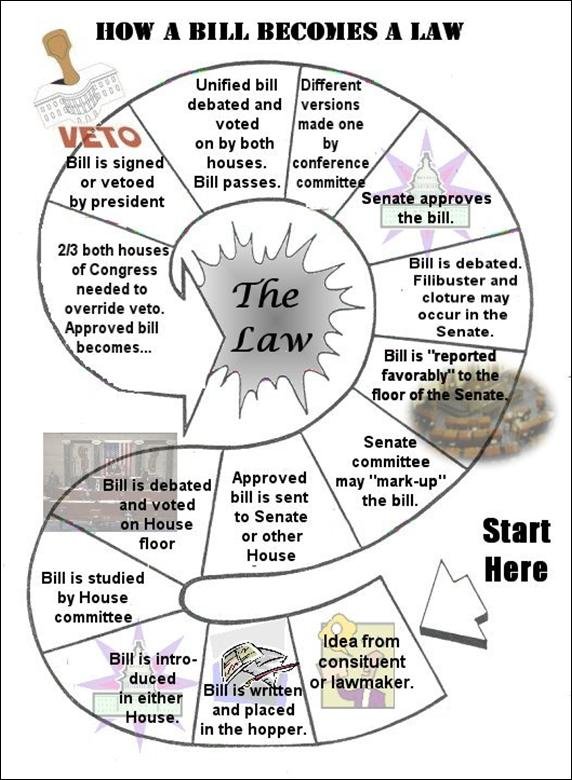
‘How a bill becomes a law game’ simulates the legislative process where players guide a bill through stages like introduction, committee review, voting, and finally, presidential approval.
Have you ever wondered about the journey of an idea turning into actual law? It can seem complex, right? There’s a really fun way to grasp this process: through play! Imagine engaging with the steps involved, not in a dry textbook, but in an exciting ‘how a bill becomes a law game’. This game provides an interactive approach to understanding how laws are made.

How a Bill Becomes a Law Game: A Fun Path to Understanding Government
Have you ever wondered how an idea turns into a real law that everyone has to follow? It’s a pretty cool and complicated process, kind of like a big puzzle! Luckily, there are awesome games that help us learn about it in a fun way. These “how a bill becomes a law” games make understanding government much easier than reading a dusty old textbook. Let’s explore what makes these games so great and how they teach us about the journey of a bill.
Why Play a “How a Bill Becomes a Law” Game?
Learning about lawmaking can seem boring, right? But these games completely change the game! Here’s why they are such fantastic learning tools:
- They Make Learning Engaging: Instead of just reading about the process, you get to actively participate in it. You might be the person introducing a bill, or even a representative voting on it!
- They Simplify Complexity: The real process of a bill becoming a law involves many steps and can be tricky. These games break it down into manageable, easy-to-understand pieces.
- They Improve Retention: When you’re actively playing and making choices, you’re more likely to remember the process than if you just passively read about it.
- They Provide a Hands-On Experience: You get to see the impact of your decisions and understand how each step in the process is connected.
- They Promote Critical Thinking: Some games even make you think about the pros and cons of different bills, teaching you to analyze issues from various perspectives.
- They Offer Variety: There’s a game for everyone. Some are board games, others are digital apps, and some are even role-playing games you can play with friends!
The Typical Journey of a Bill (Simplified for Game Play)
Before we dive into the specific types of games, let’s briefly look at the basic steps a bill usually takes. Think of it like a recipe for a law:
Step 1: The Idea
Everything starts with an idea! Someone, maybe you, thinks there should be a new law or a change to an existing one. It could be about anything, like making parks cleaner or protecting animals.
Step 2: Introducing the Bill
Once there is a solid idea, a member of Congress (like a representative or senator) turns that idea into a written proposal called a bill. They introduce the bill to either the House of Representatives or the Senate.
Step 3: Committee Review
After the bill is introduced, it goes to a specific committee related to the topic of the bill. The committee members carefully study the bill, and they can make changes or decide not to let it move forward. This committee acts like a filter, examining if bill is good and if there is any problem.
Step 4: Floor Debate and Voting
If the committee likes the bill, it goes to the full House or Senate for everyone to debate. Members discuss the good and bad parts of the bill, and they then vote on it. If it gets enough votes in one chamber, it moves on.
Step 5: The Other Chamber
Now, the bill goes to the other chamber of Congress (if it started in the House, it goes to the Senate, and vice versa). Here, the same process of committee review, debate, and voting happens.
Step 6: Reconciliation
Sometimes, the House and Senate don’t agree on all the details of a bill. If they make changes, the bill goes to a conference committee with members from both chambers to work out the differences. This is when they create a final version of the bill.
Step 7: Final Vote
Once the House and Senate have a final version they can both agree on, they vote on it one last time. If it passes, it goes to the President.
Step 8: President’s Decision
The President can either sign the bill into law, or veto it, which means that the president rejects the bill. If the President doesn’t sign it within 10 days then it also becomes a law. However, if President rejects the bill then the Congress can also still make it a law, this is called “override” . They need two thirds of vote in both chambers to do this.
Types of “How a Bill Becomes a Law” Games
Now that you understand the basic steps, let’s explore the different kinds of games that teach about this process:
Board Games
Board games offer a fun and hands-on way to understand how a bill becomes a law. These games often feature a game board representing the different stages of the process, and players move through the different stages, making strategic choices along the way.
- Gameplay: Players typically roll dice or draw cards to move around the board. They encounter different challenges or decisions at each stage. The game might have you debate, negotiate, or cast votes.
- Learning Focus: These games emphasize the linear progression of a bill and the specific tasks associated with each step. It can help you visualize the overall path.
- Pros: Board games are great for group interaction, provide tangible learning experiences, and promote discussions about the law-making process.
- Cons: Sometimes board games can be more simplified than the actual process, and depending on the game they might not cover every single part of it.
Digital Games & Apps
Digital games and apps provide interactive and engaging learning experiences, often with simulations of the law-making process. They can also include educational videos and quizzes.
- Gameplay: These games often have interactive elements such as clicking on different parts of the government, reading information, or making decisions with a touch screen.
- Learning Focus: Digital games can make complex information more accessible and they can provide instant feedback on your choices, and also they can show the direct effects of your decisions.
- Pros: These games offer great interactivity and visuals, making learning more interesting. They can be accessed anytime, anywhere, on tablets or computers. Also, these games often include simulations that show the consequences of different actions.
- Cons: Might lack the face-to-face interaction of board games. Also, some games need subscriptions.
Role-Playing Games
Role-playing games let you step into the shoes of a legislator, committee member, or even the President! These games are often played in a classroom or group setting, with people assigned different roles to enact the process.
- Gameplay: Players act out their roles by creating bills, debating them, and voting. They can also negotiate or try to influence others.
- Learning Focus: Role-playing games make you aware of the different perspectives and interests involved in the law-making process. They promote critical thinking, negotiation skills, and communication.
- Pros: These games offer a really immersive experience and help you feel the pressures and responsibilities of different government roles.
- Cons: They might require a larger group of participants and some preparation.
Card Games
Card games focusing on how a bill becomes a law provide a simple, portable, and fun way to understand the process. Cards can represent different parts of the process, allowing for strategic thinking and engagement with the steps of lawmaking.
- Gameplay: Players often use cards that represent bills, committee roles, voting actions, etc. The goal is usually to move a bill from introduction to law. Players must make decisions about which cards to play at the correct time.
- Learning Focus: Card games simplify the process by breaking it down into manageable components. It can emphasize the specific actions taken at each step and encourage strategic thinking about how to move a bill forward.
- Pros: They are portable, easy to set up, and can be played in different settings. Card games provide an engaging learning experience.
- Cons: Can sometimes lack the depth of simulation compared to more complex games.
Key Concepts Covered by These Games
Regardless of the specific type, most “how a bill becomes a law” games will touch on several important concepts:
- Legislative Process: The games help you understand the step-by-step process of how a bill moves through Congress.
- Checks and Balances: Many games highlight the way different parts of government (like the Congress and President) can limit the power of each other.
- Voting and Representation: Games often include voting mechanics, showing the power of each vote and the way people choose their representatives.
- Compromise and Negotiation: Games sometimes show you how different sides need to compromise to get a bill passed.
- The Role of Committees: These games show how much the committees can influence the fate of a bill.
- Presidential Power: The president’s power to sign or veto a bill is almost always mentioned, and it explains how a bill becomes a law, even after congress approves it.
Making the Most of These Games
To get the best learning experience from these games, consider these tips:
- Play with Friends or Family: Games are always more fun with other people, and you can discuss the process together.
- Ask Questions: If you’re confused about something, ask others or do some quick research.
- Think Critically: Don’t just play the game, think about the actual process you’re learning about and how it applies to the real world.
- Try Different Types of Games: This will give you different perspectives of the process.
- Connect the Game to Real-World Events: After playing, try to understand the actual news and see how the government works.
Where to Find These Games
Many excellent resources are available where you can find these engaging educational tools. Here’s where you can often locate “how a bill becomes a law” games:
- Educational Websites: Many websites focus on educational content for kids and offer interactive games and activities about the legislative process.
- Teacher Resource Sites: Sites aimed at educators often include links to games, lesson plans, and materials that explain how a bill becomes a law.
- Museum and Civic Organizations: Some organizations dedicated to government and civics provide educational games and tools on their websites. Check museums focused on history and government as well,
- Online Stores and Retailers: Board games and card games focusing on government and law are often available from online retailers.
- App Stores: For tablets and phones, there are apps that offer both engaging and educational games centered on government functions.
Playing “how a bill becomes a law” game is an exciting and educational adventure. It allows you to actively participate in the law-making process without being stuck in a boring classroom. These games are awesome tools that can encourage your thinking and give you knowledge of our government. By playing, you will get a better understanding of how laws are made and how you can help to make good changes in your community.
How a bill becomes a law board game
Final Thoughts
Playing ‘how a bill becomes a law game’ provides a fun method for understanding the legislative process. It allows participants to experience the journey of an idea to legislation. This interactive approach simplifies complex procedures.
The game reinforces how compromise and collaboration are vital to successful lawmaking. This process teaches the importance of each step in a bill’s passage. Therefore, it makes government more accessible.
Essentially, ‘how a bill becomes a law game’ makes a subject approachable. It helps people understand the democratic process more effectively.

