
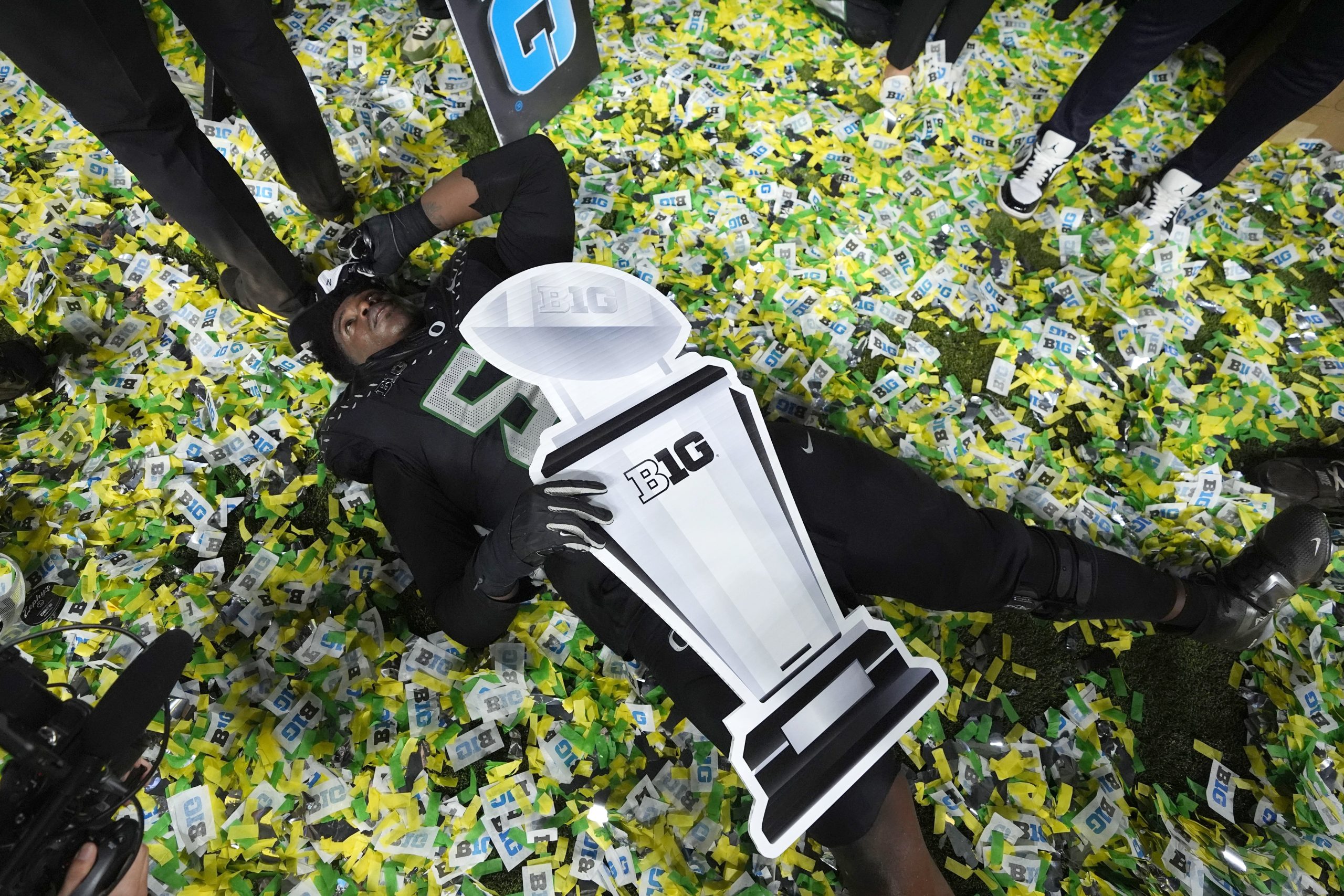
Bowl game matchups are determined through a combination of conference tie-ins, team records, and selection committee choices.
Ever wondered how those exciting college football bowl game pairings come to be? It’s more than just a random draw. The process of deciding how are bowl game matchups determined involves various agreements and selection processes.
Conferences have established tie-ins with specific bowls. This gives them priority to send their top teams. Team records then significantly influence eligibility and rankings for the remaining spots. Finally, selection committees consider factors like geographic location and national appeal to complete the matchups.

How Are Bowl Game Matchups Determined?
Ever wonder how those exciting college football bowl game matchups come to be? It’s not random! A lot of planning and agreements happen behind the scenes to decide which teams play each other in these end-of-season spectacles. It’s like a big puzzle, and many different pieces need to fit together just right. Let’s dive into how it all works!
The Conference Tie-In System
Most bowl games are connected to specific conferences. Think of it like a contract: a bowl game promises to pick a team from a particular conference, if that conference has enough eligible teams. This is called a conference tie-in. For example, the Rose Bowl usually takes the champions of the Big Ten and Pac-12 conferences (though there are exceptions when one of those teams make the college football playoff), and the Sugar Bowl typically has a team from the SEC and the Big 12. These agreements help ensure that certain conferences get to showcase their talent in these important games.
Primary and Secondary Tie-Ins
Not all tie-ins are created equal. Some are primary, meaning the bowl game gets first dibs on teams from that conference. Others are secondary, meaning the bowl game gets to choose after the primary bowl games have made their picks. This creates a sort of pecking order, and the better the conference and the higher the team’s ranking, generally the more appealing they are to these games with top tie-ins.
- Primary Tie-In: The bowl game’s first choice from a conference.
- Secondary Tie-In: The bowl game’s choice after primary picks are made.
Understanding Bowl Eligibility
Before teams even start getting considered for bowl games, they need to become “bowl eligible.” This means having a certain number of wins during the regular season. Usually, teams need at least six wins to be considered for a bowl game. However, sometimes, if there aren’t enough teams that qualify with six wins, teams with five wins can be invited to fill the gaps. This keeps all the bowl games from being canceled.
How Many Teams are Eligible?
It’s not just about having six wins. There are a lot of FBS teams. Each year, approximately 80+ teams are eligible for the bowl game season. If there aren’t enough eligible teams to fill all the bowl slots, some slots may go unfilled. However, this situation does not occur often.
The Role of Bowl Selection Committees
Each bowl game has its own selection committee, made up of people who know a lot about college football and the bowl system. These people watch games throughout the season and think about which teams would be a good fit for their bowl. They look at a bunch of factors, not just wins and losses, but which conference the team is from. The committee works with the conference to find the best match.
What do they look for?
- Record: Win-loss record is the starting point. Obviously, better records look more appealing for good bowls.
- Team Brand and Popularity: Committees think about what teams are popular and would draw a good crowd and TV ratings.
- Matchup Interest: They look for exciting matchups that fans want to see.
- Geography: Bowl games consider travel distance for fans, trying to make it easier to attend.
- Conference Relationships: The existing tie-ins and historical relationships play a large role in decisions.
The College Football Playoff and Bowl Games
The College Football Playoff (CFP) system really shakes things up. The top four teams in the nation play in the playoff semi-final games, and these games serve as major bowl games like the Fiesta Bowl and the Peach Bowl, which are rotated. The winners of the two playoff semi-final games then play in the National Championship. But what about all the other bowl games?
Impact of the CFP on Other Bowls
The existence of the CFP means that teams that are highly ranked but do not make the CFP will be available to be selected by the best non-playoff bowls. For example, the Rose, Sugar, Orange, Cotton and Fiesta Bowls all have a chance to get teams that would otherwise be playing in the playoff. For these bowls, they would still use the same conference tie-in structure, but they may get much better teams due to this effect.
The Selection Process: A Step-by-Step Look
Alright, let’s break down how the selection process actually works. It’s not always simple, but we can follow the general steps:
- Eligibility Check: First, they figure out which teams have at least six wins and are bowl eligible.
- CFP Selection: The College Football Playoff committee selects the top four teams for the playoffs.
- New Year’s Six (NY6) Bowls: These major bowls which includes the playoff games, determine who they will invite, which is based on conference tie-ins and high ranked at large teams.
- Remaining Bowl Selections: The other bowl games make their picks based on conference tie-ins and rankings. Some lower-ranked teams will be invited to fill remaining spots.
- Conference Input: Sometimes, conferences have some say in where their teams go. They work with bowl games to make the best matches.
- Matchup Announcements: Finally, the bowl game matchups are officially announced!
The Importance of Revenue Sharing
A big part of the bowl system is about money. Bowl games generate revenue from TV deals, ticket sales, and sponsorships. A portion of this money is shared between the participating conferences and teams. This revenue can really help fund athletic programs and other activities at schools.
How the Money Is Divided
The money is usually distributed in a very complex way, where the conferences get a bigger share than the schools, although not all of that money stays with the conference as there are usually minimum payments made to participating schools. Larger conferences usually get more money from bowl games since they have more teams that are more appealing to bowl games.
What Happens When Tie-Ins Can’t Be Met?
Sometimes, a conference might not have enough bowl-eligible teams to fill all of their bowl tie-ins. What happens then? Well, bowl games may turn to teams from other conferences to fill those spots. This is how sometimes a team with a mediocre record may get invited to a game. These are called ‘at large’ bids. They will first look at teams in conferences not tied to any other bowl, and then based on conference and records.
The “At-Large” Bids
The “at-large” bids are usually where the bowl games have flexibility. They choose from eligible teams that aren’t directly tied to their bowl through a conference. This is where a little bit of randomness comes in, since there is not hard and fast rule on exactly which teams will be invited if the conference tie-ins cannot fill the games.
The Human Element
While there are lots of rules and agreements, the human element is also important. Bowl selection committees have their own preferences, and sometimes they can make decisions that surprise people. It’s not all about the numbers; sometimes it’s also about what the committee members think will be an interesting or fun matchup. This is often based on previous years, where the TV ratings for certain matchups are higher.
Factors That Influence Decisions
- Popularity of Teams: A team with a large fan base might be more attractive than a team with similar records but a smaller fan base.
- Potential for a Close Game: Bowl committees look for matchups that will be competitive and interesting to watch.
- Geographic Interest: Bowl committees will often match teams that might bring a large crowd to the stadium.
Changes in the Bowl System Over Time
The bowl system has been around for a long time, and it has changed a lot over the years. There used to be far fewer bowl games, and now there are many more. The College Football Playoff also changed how the top teams are selected. These changes are a part of the growth and popularity of college football.
Future Changes
The structure of the college football playoff is likely to change in future years, moving to more than four teams, which will further change the landscape of who is in the major bowl games. This could mean that some bowl games get higher ranked teams, while others get lower ranked teams.
Key Terms to Remember
Before we finish, here’s a little list of key terms to remember when trying to figure out how bowl game matchups are decided:
- Bowl Eligibility: The requirement to have a certain number of wins to be considered for a bowl game.
- Conference Tie-In: An agreement between a bowl game and a conference to select a team from that conference.
- Primary Tie-In: The bowl game’s first choice from a specific conference.
- Secondary Tie-In: The bowl game’s choice after primary picks are made.
- Selection Committee: The group of people that decides who plays in a specific bowl game.
- At-Large Bid: An invitation to a bowl game that is not based on a conference tie-in.
- Revenue Sharing: How money generated from bowl games is divided.
Understanding how bowl game matchups are determined can make watching them even more fun! It’s a mix of rules, agreements, and human decisions, all coming together to give us the exciting matchups we see each year.
How the NFL playoff picture works | Road to the Super Bowl
Final Thoughts
Bowl game matchups are determined through a complex system. Conferences have tie-ins with specific bowls, guaranteeing spots for their teams. These tie-ins vary based on conference standing and bowl ranking.
Selection committees and bowl organizers also play a key role. They consider factors like team records, national appeal, and geographic location. Ultimately, the process for how are bowl game matchups determined is a blend of contractual obligations and subjective choices.

