
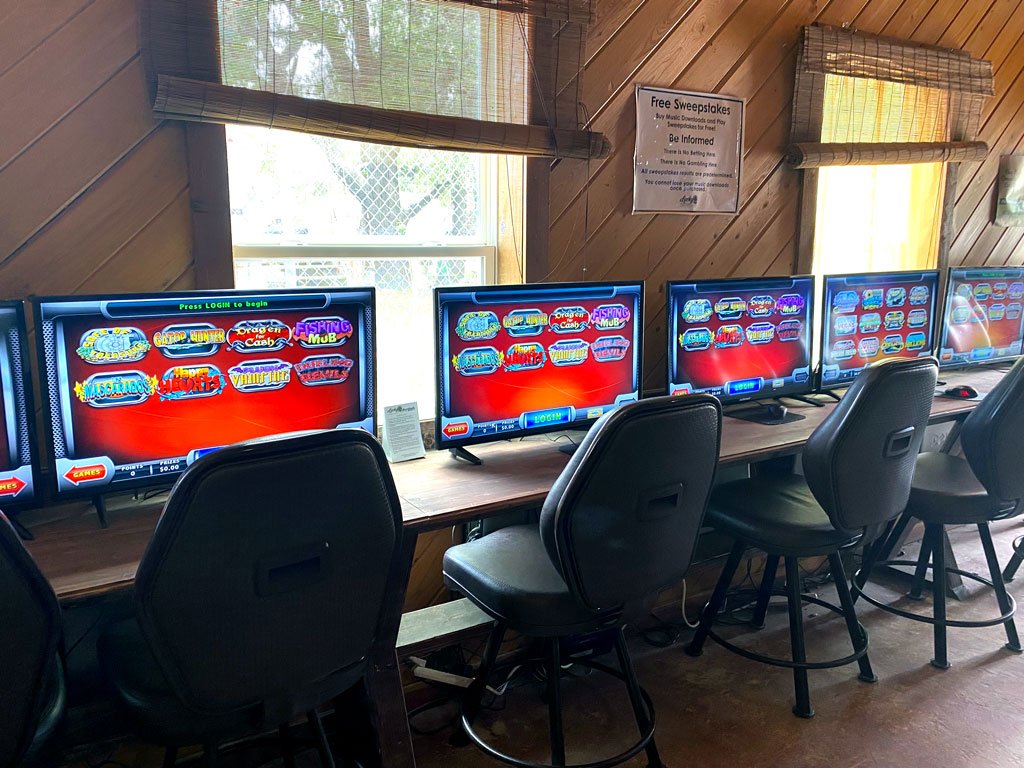
Game rooms are legal in Texas if they adhere to specific regulations, primarily focusing on the nature of payouts, which must be non-cash prizes or merchandise, and strict adherence to local zoning laws.
Ever wondered about those buzzing game rooms popping up across Texas? The question of how are game rooms legal in Texas often arises, and it’s a good one. It’s not as simple as setting up some machines and letting the fun begin.
These establishments operate within a defined legal framework. They have to comply with stringent rules that dictate what is permissible. Understanding these rules helps navigate the landscape.

How Are Game Rooms Legal in Texas?
Let’s dive into the world of game rooms in Texas. It might seem like a simple thing, but there are rules and regulations that make these places legal (or sometimes, not so legal!). It’s like playing a game yourself, with laws as the rulebook. We’ll explore the ins and outs of how game rooms operate within the legal framework of the Lone Star State.
Understanding Texas Gambling Laws
To understand how game rooms are legal in Texas, you first need to understand what Texas law says about gambling. Texas generally doesn’t allow most types of gambling. This means games of chance, where luck decides who wins, are typically illegal. However, there are some exceptions. These exceptions are where game rooms often operate. The tricky part? Figuring out what is a game of chance and what is a game of skill.
Games of Chance vs. Games of Skill
Here’s the big question: is it luck or skill? Games of chance, like slot machines or roulette, depend entirely on luck. You cannot improve your odds with skill or practice. These are illegal in Texas, unless run by the state (like the lottery). Games of skill, on the other hand, allow you to get better and increase your chances of winning. Think about a game like a puzzle, or even a basketball free-throw. The better you are, the more you win.
Game rooms in Texas often try to use this skill loophole. They will offer games that they claim are based on skill, which is why you may see games that look similar to slot machines, but are actually designed to fit under the “skill” designation in the eyes of the law.
The main difference, legally, lies in that element of skill. If a player’s ability can realistically change the outcome of the game, it’s more likely to be seen as a game of skill. If the outcome is random, it’s generally considered a game of chance. The specifics, however, can be pretty confusing and often debated.
The “Fuzzy Animal” Exception
You might have heard of the “fuzzy animal” exception. It refers to games that give out prizes that have minimal actual monetary value, like stuffed animals or small novelty items, or points redeemable for such items. Texas law often views these with a less harsh eye because the stakes are not as high. These games are not technically gambling if the prizes are not cash or items with substantial monetary value.
- Prizes: Must not be cash or items easily converted into cash.
- Focus: The game should be more about fun and entertainment rather than winning big money.
Many game rooms use this exception to operate. They might offer rewards in the form of points or tickets, which can be used to get small items, like a cheap toy, a stuffed animal, or even a small electronic item. Because you cannot win cash, it can be argued that you are not gambling.
How Game Rooms Navigate Legal Grey Areas
Now that we know the basics of Texas law, let’s look at how game rooms try to stay within these rules. It’s a complicated dance with many steps and missteps.
The Skill Game Defense
Game rooms often claim the games they offer are “skill-based.” They may use language on the machines to emphasize skill, for example, “match the pattern” rather than “spin the wheel.” Game room owners often try to modify the games to require more player input or thought than a straight slot machine. This can be by adding a pattern to match or other types of challenges.
They will often show how the outcome of each game is influenced by user’s decisions or actions. They try to argue that the player’s ability determines the win more than chance. Games might involve timing, matching symbols, or strategic choices. They often argue that if you get better at these games you can increase your winning percentages, which makes them games of skill rather than chance.
The Prize Structure Loophole
Another key element is the way prizes are awarded. Texas laws are more lenient toward game rooms if they avoid directly providing cash prizes. Instead, they might offer gift cards, points, or merchandise. This isn’t a loophole, in the sense of avoiding the law, but it’s using the existing legal structure.
For example:
- Points that are only redeemable for toys or novelty items at the game room.
- Store-specific gift cards, which can’t be easily turned back into cash
- Items like merchandise.
By changing what is offered as a prize, game rooms try to change how the games are seen under Texas law. They try to make it so the reward is not actually gambling, as it is not easy to convert the prize into money, even though it can sometimes feel similar.
Local Regulations and Zoning
Besides state laws, local governments, like cities and counties, can also have their own rules. These regulations can greatly affect where game rooms can operate and how they must run.
Zoning Ordinances
Zoning is how local governments divide up areas. For example, some areas are for homes, some for businesses, and some for industries. Game rooms have to be in a place that is zoned for that type of business. Many local governments have ordinances that do not allow for game rooms in residential areas. Also, some zoning laws might restrict the distance from schools, parks or churches. These restrictions are meant to protect sensitive areas from potential negative effects related to game rooms. It’s important for owners to research where they can legally set up their business.
Permits and Licenses
Local jurisdictions often require permits or licenses for game rooms. These are permits from the city or county, in addition to any permits from the State. These might involve inspections to make sure the game rooms are safe. The permits often verify the business is following all local laws, and might have rules about hours of operation, noise levels, or the number of machines allowed in a building.
The Impact of Local Rules
It is very important to look at both state and local laws. What is allowed in one city might be completely illegal in another, even in the same county! Game room owners need to be aware of both levels of rules to avoid fines, getting shut down, or other problems. They must do the work to research and to follow all the rules to ensure their business is operating legally.
Challenges and Controversies
Game rooms have had a complicated past. They often face challenges and debates regarding their legality and impact on the community. It’s not always simple, and there have been many issues.
Legal Battles
The “skill game” defense has been debated in court many times. Law enforcement may argue that a game is really chance. Game room owners often argue the opposite. Because laws are often complex, there is often conflicting opinions. The courts must decide how to interpret the laws. This means many legal battles and arguments over what a game of skill is versus a game of chance.
Community Concerns
People who live near game rooms sometimes have concerns about increased crime, noise, or traffic. Some people believe that game rooms can lead to negative social effects. Because of these concerns, they often put pressure on local officials to limit the number or locations of game rooms in a community. These conflicts often add more tension to the rules about where game rooms can be and how they can operate.
Enforcement Challenges
Enforcing game room laws can be tricky for law enforcement. It’s not always easy to prove a game is really chance instead of skill. They often have to investigate game rooms and examine how they operate. Because the business model is often structured to make this distinction difficult, this makes it hard to enforce the laws properly. Sometimes, they may need to seize machines and property as part of the investigation. They may also need to testify in court about their investigations, creating even more work and difficulty in enforcing the laws.
What Game Room Owners Need to Know
If you are thinking of opening a game room in Texas, it is very important to understand what is legal and what is not. Here’s a summary of the key points:
Key Considerations
- State Laws: Understand the differences between games of chance and games of skill. Make sure your games are skill based.
- Prizes: Don’t offer cash or anything that can be quickly turned into cash, like money orders, or even prepaid gift cards to places where you can get cash back. Stick to points, gift cards to places that sell merchandise, or small prizes.
- Local Ordinances: Research zoning laws, permits, and other regulations. See if they will allow game rooms in that area.
- Consult a Lawyer: Legal advice is valuable. Talk with a lawyer who knows Texas law and the specific rules that apply to game rooms.
- Stay Updated: Laws can change, so it’s important to keep up with legal changes in your area.
Running a game room in Texas can be challenging because of the complicated legal landscape. Careful planning, understanding the laws, and following the rules are very important. The business owner must keep up with the changing laws. They also must make sure that they follow all the rules if they want to be able to stay in business.
Game rooms exist in a complex space within Texas law. They are not necessarily “legal” or “illegal,” but instead, they operate in the spaces between what is considered gambling and what is considered a game of skill. These complexities often create challenges for owners and regulators alike. Navigating this environment requires a deep understanding of local and state laws. Also it requires careful planning, and a commitment to following the many rules.
Texas gambling laws in gray area on poker rooms
Final Thoughts
Texas game rooms operate legally by adhering to specific regulations. These laws primarily focus on ensuring that payout structures comply with state guidelines, specifically concerning the value and nature of prizes. The crucial aspect revolves around how are game rooms legal in Texas, which involves following the detailed laws regarding prize limits. Owners must navigate these rules precisely to avoid any legal complications.
They must also obtain necessary permits. The game room industry, therefore, is subject to close scrutiny and ongoing updates to legislation. The key takeaway is that legal operations depend on strict adherence to Texas law.

