
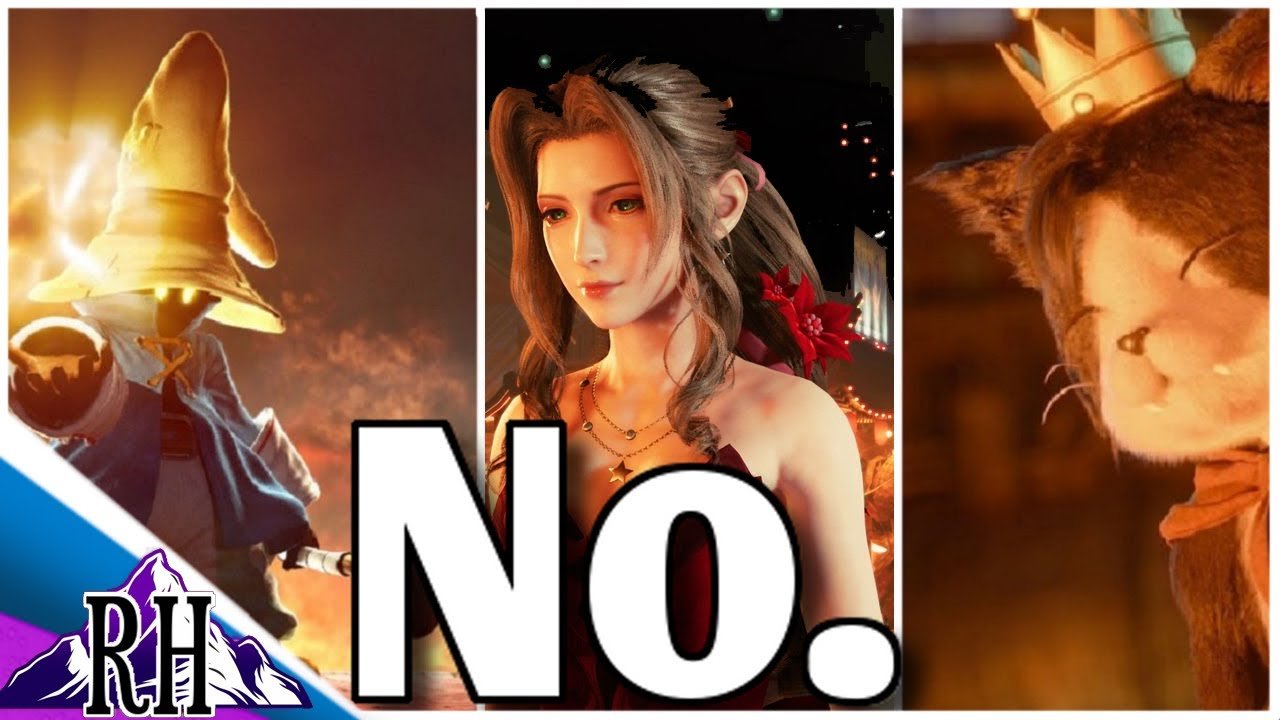
The Final Fantasy games are primarily connected by recurring themes, gameplay mechanics, and character archetypes, rather than a continuous narrative or shared universe.
Ever wondered how are the final fantasy games connected? It’s a question many fans ponder, given the distinct worlds and characters in each numbered title. Each game usually presents a brand new story, different cast of characters, and unique setting.
While they don’t share direct sequels or timelines, you’ll see common elements across different titles. Think of familiar monster designs, similar battle systems, and the use of recurring names like Cid. These create a shared identity, not a literal universe.

How Are the Final Fantasy Games Connected?
The world of Final Fantasy is vast and filled with amazing stories, characters, and, of course, crystals! You might be wondering, with so many games, are they all connected? The short answer is: mostly no, but with some really cool exceptions! Unlike some series that follow a single long story, Final Fantasy games are like different books in a library – each one is its own complete adventure.
The Standalone Worlds: A Universe of Independent Stories
Most Final Fantasy games exist in their own unique universes. This means that the characters, the locations, and the story in one game probably won’t appear in another. Think of it like this: Final Fantasy VII’s Midgar is totally different from Final Fantasy IX’s Gaia. You won’t see Cloud hanging out with Zidane, and that’s perfectly okay! This gives the game developers a chance to be creative and come up with brand-new ideas for each game. It lets them explore different themes and gameplay mechanics without being tied down to what came before.
Here are some key points about these standalone worlds:
- New Characters, New Stories: Every game introduces a fresh cast of heroes and villains, with their own personal journeys and challenges. You get to meet new faces and become invested in their individual tales.
- Different Locations: You will get to explore wildly varied landscapes. From floating cities to ancient ruins, the places you visit are almost always unique to each title.
- Unique Lore and History: Each world has its own history, cultures, and myths that drive the narrative. This creates incredibly rich and immersive experiences.
Thematic Connections: Recurring Elements
Even though the stories and worlds are usually separate, there are some really fun connections that pop up in almost every Final Fantasy game. These aren’t direct story connections, but rather themes and ideas that the developers love to use. They’re like familiar echoes that make you feel like you’re still in the world of Final Fantasy, even when everything else is brand new.
Crystals: The Lifeblood of Many Worlds
One of the most common themes is the importance of crystals. In many Final Fantasy games, these powerful gems are the source of magic, life, or even the balance of the world. Sometimes they are the cause of conflict, other times they are the key to saving everything. Different games give different crystals significance but their importance remains constant. For example, in some games the crystals provide the elemental powers like fire, water, earth, and wind, while in others, they hold the history and memories of the world. Crystals are a staple that help you feel like you’re playing a real Final Fantasy game.
Recurring Character Names and Archetypes
Even though the characters in each game have their own stories, some names and types of characters appear again and again. For example, the name “Cid” is a character that appears in almost every main Final Fantasy game. But it’s never the same Cid! Sometimes he’s an engineer, other times he’s a pilot, or even a scientist, but the name and the archetype, a knowledgeable and innovative figure, remains the same. Then, we have characters that are warrior type, mage type, white mage, and black mage. Final fantasy is a very unique world, therefore, we tend to see many common character archetypes in the games.
Classic Monsters and Summons
You’ll also see many familiar monsters and summons across the series. Who could forget the iconic Chocobos, those giant yellow bird-like creatures? Or the menacing Behemoths? And of course, summons like Ifrit, Shiva, and Bahamut are staples of the franchise, even though their appearances and powers might change a bit in each game. These creatures are part of what makes a Final Fantasy game, a Final Fantasy game. It’s like a nod to all the other games and a way to connect them without making the story directly connected.
Direct Connections: Sequels and Spin-offs
While most Final Fantasy games are standalone, there are a few exceptions where the connections are very clear. These come in the form of direct sequels or spin-off titles. These games build on the stories, characters, and worlds of previous games, offering a deeper experience for players.
Direct Sequels: Continuing the Story
Sometimes, the developers will create a direct sequel to a game, meaning the story picks up where the original left off. This is very common these days. These sequels directly continue the story, often with the same main characters and the same world, sometimes with new character additions. These are direct links to the games that they are following.
Here are some examples of the direct sequels:
- Final Fantasy X-2: This game is a direct sequel to Final Fantasy X, following the story of Yuna and her friends two years later. It explores what happens after the events of FFX, diving deeper into the world of Spira.
- Final Fantasy XIII-2 and Lightning Returns: Final Fantasy XIII: These are direct sequels to Final Fantasy XIII, continuing the story of Lightning and the world of Cocoon. They take place in the same world and carry the story of previous games.
Spin-offs: Expanding the Universe
Spin-off titles take place in the same universe as the main games, but often focus on a specific character, event, or a different kind of story. They might explore a side story or show the world from a different perspective.
Here are some examples of spin-offs:
- Final Fantasy VII: Crisis Core and Dirge of Cerberus: These games delve deeper into the stories of Zack Fair and Vincent Valentine, respectively, characters who feature in the Final Fantasy VII storyline, and expand on the world of the original game.
- Final Fantasy Type-0: While taking place in a different world, it is connected to the Fabula Nova Crystallis mythos (the same one used in the Final Fantasy XIII games) and the world within which those games take place.
The Fabula Nova Crystallis Mythos: A Shared Lore
There is also a shared mythology that connects some games, even though they still have independent stories. This is the Fabula Nova Crystallis series. This series shares common themes and mythology around the gods, crystals, and a world of destiny. While the games in this series might not have direct story connections, they are bound by the same underlying lore and cosmology. It’s a cool way to show that while these games are unique, they all share a core world.
Games that are part of this are:
- Final Fantasy XIII: The start of this new world, in which the world is a place full of crystals, fal’Cie and l’Cie.
- Final Fantasy XIII-2: The direct sequel to Final Fantasy XIII.
- Lightning Returns: Final Fantasy XIII: The last part of the Final Fantasy XIII trilogy.
- Final Fantasy Type-0: A spin off of the Final Fantasy XIII world.
The Ivalice Alliance: A Shared World
Another important connection is the Ivalice Alliance. This is a set of games that all take place in the same world called Ivalice, though they have different stories and time periods. This is another great example of games sharing a world, but not a direct storyline. This means you can play each game separately but enjoy knowing that it exists in this larger world with a detailed history and lore.
The games that are part of the Ivalice Alliance include:
- Final Fantasy Tactics: This game has tactical combat and tells the story of a political conflict in Ivalice.
- Final Fantasy XII: Set in Ivalice, but in a different location and during a different period.
- Vagrant Story: Also set in Ivalice, but has a very different gameplay style.
Interconnectedness: An Overview
To summarize, most Final Fantasy games are not directly connected in terms of their stories or characters. Each game offers a standalone experience with its own characters, world, and story. However, many games share common themes, ideas, character archetypes, monsters, summons, and a similar magic system. They are all linked by a shared essence that makes them feel like a “Final Fantasy” game. There are exceptions where games are directly connected via sequels and spin-offs. They may also share worlds or underlying mythos, like Fabula Nova Crystallis and the Ivalice Alliance.
Here’s a simple way to think about the connections:
| Type of Connection | Description | Examples |
|---|---|---|
| Standalone Games | Unique worlds, characters, and stories with no direct story connections. | Final Fantasy VI, Final Fantasy VIII, Final Fantasy IX, Final Fantasy XV |
| Thematic Connections | Recurring elements like crystals, character archetypes (e.g. Cid), and monsters. | Appears in almost every Final Fantasy game |
| Direct Sequels | Games that continue the story from a previous game with the same characters. | Final Fantasy X-2, Final Fantasy XIII-2 |
| Spin-offs | Games that take place in the same world but have different characters or stories. | Crisis Core: Final Fantasy VII, Dirge of Cerberus: Final Fantasy VII, Final Fantasy Type-0 |
| Shared Mythos | Games that are connected by a common mythology. | Final Fantasy XIII, Final Fantasy XIII-2, Lightning Returns: Final Fantasy XIII, Final Fantasy Type-0 |
| Shared World | Games that take place in the same world, but have different stories. | Final Fantasy Tactics, Final Fantasy XII, Vagrant Story (Ivalice Alliance) |
So, while you might not see Cloud fighting alongside Squall in a traditional sense, all of the Final Fantasy games are connected by the amazing spirit of adventure and creativity that each one brings. This allows each game to stand on its own while also feeling like part of something bigger and more wonderful.
That’s the beauty of Final Fantasy. You get to go on so many unique and amazing adventures, but there is this feeling of a grand universe that you’re always a part of! Each game offers its own unique and memorable experience. No matter which Final Fantasy you play, you are sure to have a great time!
Are Final Fantasy Games Connected? This is Dumb!
Final Thoughts
The Final Fantasy games are not directly connected through a shared universe or characters in a traditional sense. Instead, recurring themes, concepts, and gameplay mechanics act as common threads. These elements form a kind of spiritual connection across different titles.
Each game presents a unique story with fresh characters and settings. Still, concepts like crystals, summons, and job systems appear repeatedly. These provide a sense of familiarity while maintaining distinct narratives. So, how are the final fantasy games connected? The answer lies in these thematic links rather than direct continuations.

