
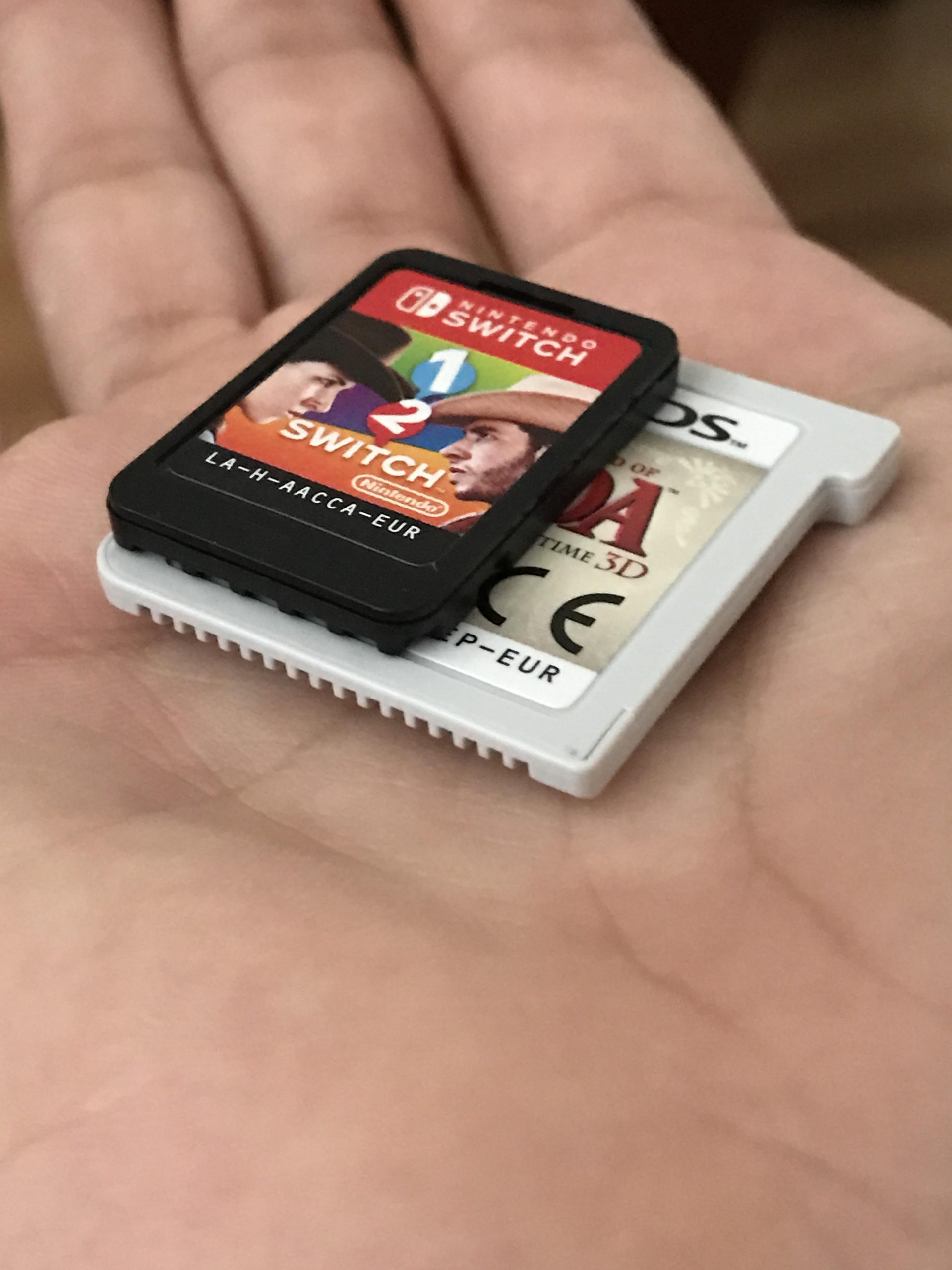
Nintendo Switch game sizes vary greatly, ranging from a few hundred megabytes for smaller indie titles to over 20 gigabytes for large, AAA releases.
Ever wondered just how much space those enticing Nintendo Switch games actually take up on your console’s storage? It’s a valid question, especially if you’re planning a big digital download spree. The variation in size is significant, and knowing what to expect can save you some storage headaches. Understanding how big are nintendo switch games is key to managing your console’s space effectively.
Game sizes depend heavily on content, graphical fidelity and scale of the game. Some smaller indie titles take up little space, which is great for budget gamers. But big titles obviously need much more space, so keep this in mind when you download games.

How Big Are Nintendo Switch Games?
Ever wondered just how much space those fun Nintendo Switch games take up? It’s a good question! Knowing the file size of games is important for managing your console’s storage. Think of it like knowing how much space you have in your backpack before you pack it for school. You don’t want to run out of room, right? It’s the same with your Switch. Let’s dive in and explore all things related to Nintendo Switch game sizes.
Understanding Digital Game Sizes
When we talk about the size of a Nintendo Switch game, we’re usually talking about the digital file size. This is the amount of storage space the game takes up on your console’s memory, or on a microSD card if you’re using one. Digital games are downloaded directly from the Nintendo eShop. It’s like getting a book from an online store instead of a physical copy. Unlike physical game cartridges, digital games need space to be saved. Different games require varying amounts of space, some are quite small and some are much bigger.
Why Game Sizes Differ
Several factors influence the size of a Nintendo Switch game. Here are a few key ones:
- Game Complexity: Games with detailed graphics, intricate worlds, and lots of characters usually take up more space. Think about games with big open worlds, they need to store all that landscape data.
- Audio and Music: High-quality music, voice acting, and sound effects all add to the file size. The more detailed and varied the audio is, the larger the game file will become.
- Game Length: Longer games with more content, like extra levels, storylines, or characters usually come with larger file sizes. Games that are short and sweet tend to be smaller in size.
- Updates and Patches: Sometimes, games receive updates that fix issues or add new content. These updates also need space on your console or memory card, so the size can grow over time.
Average Game Sizes
So, what’s the typical size range for Nintendo Switch games? Well, it varies a lot, but here’s a general idea:
- Small Games: These can be anywhere from a few hundred megabytes (MB) up to around 2 gigabytes (GB). You might see puzzle games, simple platformers, or indie titles falling into this category. They are like the small snacks when you’re feeling hungry and don’t want to eat heavy food.
- Medium Games: Many games sit in the 2 GB to 8 GB range. These include popular platformers, adventure games, and role-playing games that aren’t incredibly huge. They are like your main meals of the day.
- Large Games: The largest games can easily be 10 GB, 15 GB, 20 GB, or even more! These are often expansive open-world games, very detailed RPGs, or those with lots of high-definition content. They are the buffet meals where you get a variety of dishes.
Keep in mind these are general ranges and there are exceptions! Some indie games can get larger if they are very detailed, and some big-name games may be smaller than expected due to various compression techniques used.
Comparing Physical vs. Digital Game Sizes
It’s important to know that purchasing a physical copy of a game doesn’t totally eliminate storage considerations. While you insert a game cartridge into your console to play, there is still a bit of data that gets downloaded or installed to the console. This data isn’t large, but it’s something to keep in mind.
Here’s a comparison of physical and digital games:
Physical Games
- Pros: No need to download the main game content, the cartridge is the main data. Great for collecting. You can often resell them. You don’t need to use up all your precious storage space.
- Cons: Still sometimes need to download updates and patches. You can lose them, and they might get damaged.
Digital Games
- Pros: Easy to access and switch between games. Don’t have to worry about losing a physical cartridge. Great for buying digitally-exclusive games.
- Cons: Requires more storage space on your console. You can’t resell them. You need space to download updates and the game itself.
Popular Nintendo Switch Games and Their Sizes
Let’s look at some well-known Nintendo Switch games and see their file sizes. This can help you better understand how much space certain types of games might need.
Example Game Sizes
- The Legend of Zelda: Breath of the Wild: Around 14.4 GB. This is a pretty large game, given its open-world design and massive scale.
- Super Mario Odyssey: Approximately 5.7 GB. This is a good example of a fun 3D platformer that isn’t extremely big.
- Animal Crossing: New Horizons: About 6.2 GB. The charming village-building game uses a reasonable amount of space for its content.
- Mario Kart 8 Deluxe: Roughly 7 GB. A racing game with lots of content, but it’s still not a gigantic download.
- Minecraft: Generally around 1.4 GB. This open world sandbox game is relatively small for its potential.
- Hollow Knight: Just under 10 GB. A stylish Metroidvania that doesn’t demand excessive storage space.
- Stardew Valley: About 1.1 GB. A cozy farming RPG with a very low storage footprint.
These examples showcase the varied sizes of games, showing how some simple and small games can still be as fun as other large sized games. It’s a good idea to check the eShop for exact file sizes when purchasing games, as sizes may vary between regions.
Managing Storage on Your Nintendo Switch
Running out of storage on your Nintendo Switch can be frustrating. It’s like running out of space in your closet! Thankfully, there are several ways to manage and expand your storage space.
Tips for Managing Storage
- Delete Games You’re Not Playing: If you’ve finished a game and don’t plan to play it again soon, delete it from your system. You can always redownload it later.
- Use a microSD Card: If you play a lot of digital games, investing in a microSD card is a must. This gives you a ton of extra storage.
- Archive Software: Instead of deleting a game, you can archive it. Archiving removes the game data from your console, but keeps your save data and eShop license. When you want to play it again, you can quickly re-download it and pick up right where you left off. It is like putting your book on a shelf, instead of throwing it in the bin.
- Transfer Game Data: It is possible to transfer game data between your console and a microSD card. This allows you to free up space on your main console storage.
- Check for Updates: Make sure you have the most recent software version, which can often compress data, which would result in better use of storage space.
Understanding microSD Card Storage
microSD cards come in various sizes. Here are some of the common ones:
- 32GB microSD Card: Can fit a good number of smaller games.
- 64GB microSD Card: A nice medium size for lots of games.
- 128GB microSD Card: Great for most users with many different games.
- 256GB and higher microSD Card: Ideal for avid gamers who want lots of larger games.
When choosing a microSD card, keep in mind that the speed of the card matters, too. A faster card can improve game loading times and overall performance. Check the specifications of the microSD card before you buy it.
Future Considerations for Game Sizes
Game sizes are likely to keep growing over time. As game graphics get more advanced and game worlds become more complex, the files will also get bigger. It’s important to be prepared and ensure you have enough storage for your games. It is useful to monitor the space available on your Switch to make sure it doesn’t become full. Always keep in mind what you plan to play and the space it might require.
Game Download Speed
Apart from the storage space, the download speed can also be a factor. Larger games can take a long time to download, depending on your internet speed. Having a fast and stable internet connection is needed for efficient downloading. Always make sure to update your console to the latest available update for the fastest possible download speed. Sometimes restarting your internet router helps to speed up the downloading process.
Compression Techniques
Game developers and Nintendo are always trying to find ways to make game sizes smaller without losing the quality. They use different compression techniques to keep the file sizes down. These clever ways help you to have good quality games while taking up as little space as possible. This helps to make your gaming experience better and less frustrating.
Managing game sizes on your Nintendo Switch doesn’t have to be overwhelming. With a bit of awareness and planning, you can keep your console organized and ready for all your gaming adventures! It’s all about making the best use of the storage you have and making sure there’s room for new and exciting games.
Nintendo Switch vs Switch OLED – Which Should You Buy?
Final Thoughts
Nintendo Switch game sizes vary greatly. Smaller indie titles can be under 1GB, while large AAA games reach over 15GB, even approaching 30GB. The specific game content dictates its size.
Physical cartridges avoid download space issues, but updates still require storage. Digital purchases directly impact your available space. “how big are nintendo switch games” is a common concern for storage management. Consider these factors before purchasing new games.

