
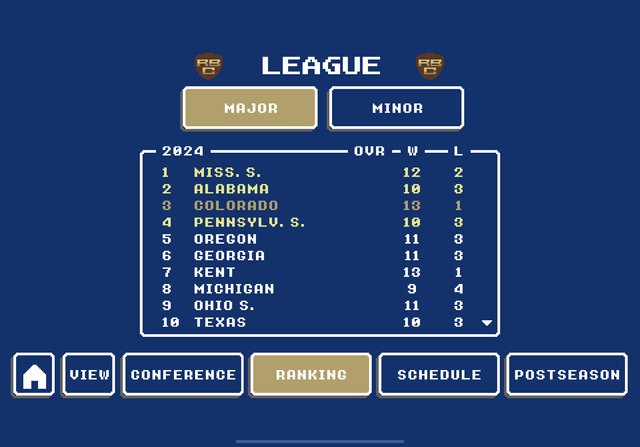
Bowl games are decided through a combination of factors, including conference affiliations, team records, rankings, and contractual obligations with specific bowls.
Ever wondered about the process behind the match-ups we see every college football bowl season? It’s not random; a complex system dictates which teams face each other. Understanding how bowl games are decided involves understanding these different components.
It is a system designed to reward successful programs, provide exciting competition and also generate revenue for universities. We will explore these factors in more detail.

How Bowl Games Are Decided: A Deep Dive
Alright, sports fans! We all love the excitement of college football bowl season. But have you ever stopped to wonder how these games are actually decided? It’s not as simple as picking names out of a hat! There’s a whole system in place, and it involves conferences, tie-ins, rankings, and even a bit of negotiation. Let’s break down this process step-by-step, so you can understand what goes on behind the scenes in picking teams for the big end-of-season showdowns.
The Role of Conferences
Before we get into specific games, we need to talk about conferences. Think of conferences as groups of colleges that play sports together. Examples are the SEC (Southeastern Conference), the Big Ten, the ACC (Atlantic Coast Conference), the Big 12, and the Pac-12, just to name a few of the big ones. Each conference has its own rules and agreements for how its teams can be chosen for bowl games. These rules aren’t always the same, and they definitely make the process more complicated and interesting! Conferences have their own rankings and agreements which help in the selection process of which teams will be going to bowl games.
Conference Tie-Ins
A big part of the bowl game process is “tie-ins.” This is where specific bowl games agree to take teams from a specific conference. For example, the Rose Bowl traditionally has a tie-in with the champion from the Big Ten conference and the champion from the Pac-12 conference. These tie-ins create a predictable path for some teams, meaning if a team does well in its conference, they have a pretty good chance of going to a certain bowl game. These tie-ins are usually multi-year agreements so it doesn’t change every year unless negotiated.
How Tie-Ins Work
- Agreements: Bowl games make agreements with conferences, stating which teams they will select.
- Priorities: Tie-ins can have a pecking order. The conference champion goes first, followed by the runner-up and so on.
- Flexibility: Some tie-ins are more rigid, while others allow for a bit of flexibility based on team rankings and availability.
The College Football Playoff (CFP)
The most prestigious bowl games are the ones that are part of the College Football Playoff. This is how college football determines its national champion each year. The CFP consists of a small group of top-ranked teams that compete in playoff games to advance to the final championship. Selection for the CFP is decided by a committee of experts.
The CFP Selection Committee
A group of experts from the world of football, such as former coaches, athletic directors, and journalists, form the CFP Selection Committee. They meet to discuss all the top teams. Their job is not easy, since they have to consider factors such as the team’s record, the strength of schedule, and wins against other high-ranked teams. This committee decides which four teams will go to the playoff games, and it’s not just based on a simple ranking system. It also includes data analysis, observation, and their expertise. The committee members have to reach a consensus, which means they need to agree on the four best teams based on all their information.
How the Committee Selects Teams
- Team Records: How many games has the team won and lost?
- Strength of Schedule: How tough was their schedule? Did they play against difficult opponents?
- Head-to-Head Results: If two teams have played each other, the result counts.
- Conference Championships: Winning a conference title can give a team an edge.
CFP New Format
Starting in the 2024-25 season, the College Football Playoff is expanding to 12 teams! This means that more teams will get a chance to play in the playoffs. The new format will include the five highest-ranked conference champions and the next seven highest-ranked teams. This change will likely make the competition more exciting and create more opportunities for teams from different conferences to play in the playoffs.
Rankings and the Bowl Selection Process
While the CFP grabs the headlines, many other bowl games take place each season. These games need teams too! And that’s where rankings and the bowl selection process come into play.
The Various Rankings
There are multiple rankings used to help determine bowl bids. There’s the official CFP ranking, the Associated Press (AP) poll, and the Coaches Poll, among others. The CFP rankings are the most important ones when it comes to selecting playoff teams, but the other rankings can play a role for the other bowl selections, because bowl selection committees pay attention to these rankings when they are filling open slots. These are not the only rankings that are considered by the committee, but they are among the most popular rankings.
- CFP Rankings: Decided by a committee and used to select the teams in the College Football Playoff.
- AP Poll: A weekly ranking of the best teams in the country by sportswriters.
- Coaches Poll: A weekly ranking of the best teams in the country by college coaches.
Bowl Selection Committees
Each bowl game has its own selection committee. This committee is responsible for filling out the team that will be playing in that particular bowl. They usually work in coordination with the conferences and consider different factors when making their selection. Some of the bowl committees have long-term connections with certain conferences, and some prefer to select based on the team’s ranking.
Factors Considered by Bowl Selection Committees
- Team Ranking: The higher a team is ranked, the better chance they have of getting a bowl bid.
- Team Record: Winning percentage is an important factor.
- Fan Base/Attendance: Some bowl committees look at which team’s fans will travel to attend the game in large numbers.
- Matchups: Some bowls prefer a specific matchup of teams to make the game interesting.
- Geographic Locations: Bowls will sometimes pick teams that are close to the bowl’s location.
How Underserved Teams Get a Bowl Game
What happens to teams that don’t have a tie-in or aren’t high enough in the rankings? Those teams are usually selected based on their win-loss records and their Academic Progress Rate (APR). A team with a 6-6 record, for example, becomes eligible for a bowl game. However, if there are more than 82 teams with winning records, only the top 82 teams are selected for bowl games based on other considerations like APR. The APR is basically an academic score that measures the team’s academic performance. Teams with higher APR are more likely to get selected, even when there are other similar teams with the same record. This helps make sure student-athletes are not only succeeding on the field but also in the classroom. It’s like a backup plan, ensuring that teams that are working hard both on the field and off the field are still rewarded.
Filling Remaining Spots
If there are any bowl game slots open after tie-ins and the primary picks, then there is an opportunity for other teams to join the bowl games. They can sometimes be from any conference, depending on the bowl agreements. This is the time where selection committees consider a variety of factors to fill out the remaining spots. Sometimes it becomes a match based on the region or the fan following of a particular team or the team’s conference affiliation. It is all about making the best match for the bowl game and the overall college football experience.
The Impact of Geography
The location of bowl games can influence team selections. If there is a bowl game that is close to a particular university, that team will have an advantage in getting the invitation. This proximity allows the team’s fans to travel to the game easily and in large numbers, which is a good attraction for the bowl game. For example, a bowl game in Florida would be more likely to invite a team from the southeast region rather than a team from the west coast, unless they have something specific planned for that match. Location matters, and it’s definitely considered by selection committees!
Negotiations and Agreements
The process of picking teams for bowl games isn’t always black and white. There can be some behind-the-scenes negotiations and agreements that take place between conferences, bowl committees, and even individual teams. Bowl selection committees also factor in which matchup of teams will create the most excitement for fans. They try to create high-profile games that fans would be excited about. These are the details that are rarely seen by the public. These decisions add complexity and also a lot of excitement to the bowl season each year.
How Deals Are Made
- Conference Preferences: Some conferences might push for their teams to be in a specific game.
- Bowl Game Needs: Bowls may need certain teams to ensure a good audience.
- Team Desires: Teams might express their preferences for certain bowl games.
The Importance of Bowl Games
Bowl games are more than just extra games. They bring attention to football, provide the players a chance to compete at the national level, and help build the profile for the institutions. They create good memories for the players, fans and alums of a particular college. For the university as a whole, bowl games are an opportunity to increase their visibility. The revenue generated by bowl games can also benefit the colleges and the conferences. It’s a win-win situation for everyone involved.
So, the next time you tune into a bowl game, remember it’s not just a random matchup. It’s a carefully crafted selection, the result of a whole system of rankings, tie-ins, and committee decisions! It’s all part of what makes college football so captivating.
Understanding the process of selecting teams for bowl games gives you a deeper appreciation for the entire college football system. It also shows how every game matters, every win counts, and every team can have a chance to play in the big show at the end of the season. This also makes every college football game exciting, as all the matches can have an influence in a team’s chance to play in a bowl game!
The History of Bowl Games
Final Thoughts
Bowl game selection comes from a mix of conference tie-ins and at-large bids. The college football playoffs also factor into the decision process for major bowls. These tie-ins guarantee some conferences spots based on their standings.
At-large bids fill remaining spots, using team rankings and records. Bowl committees choose teams to create interesting and competitive matchups. This system determines how bowl games are decided each year.

