
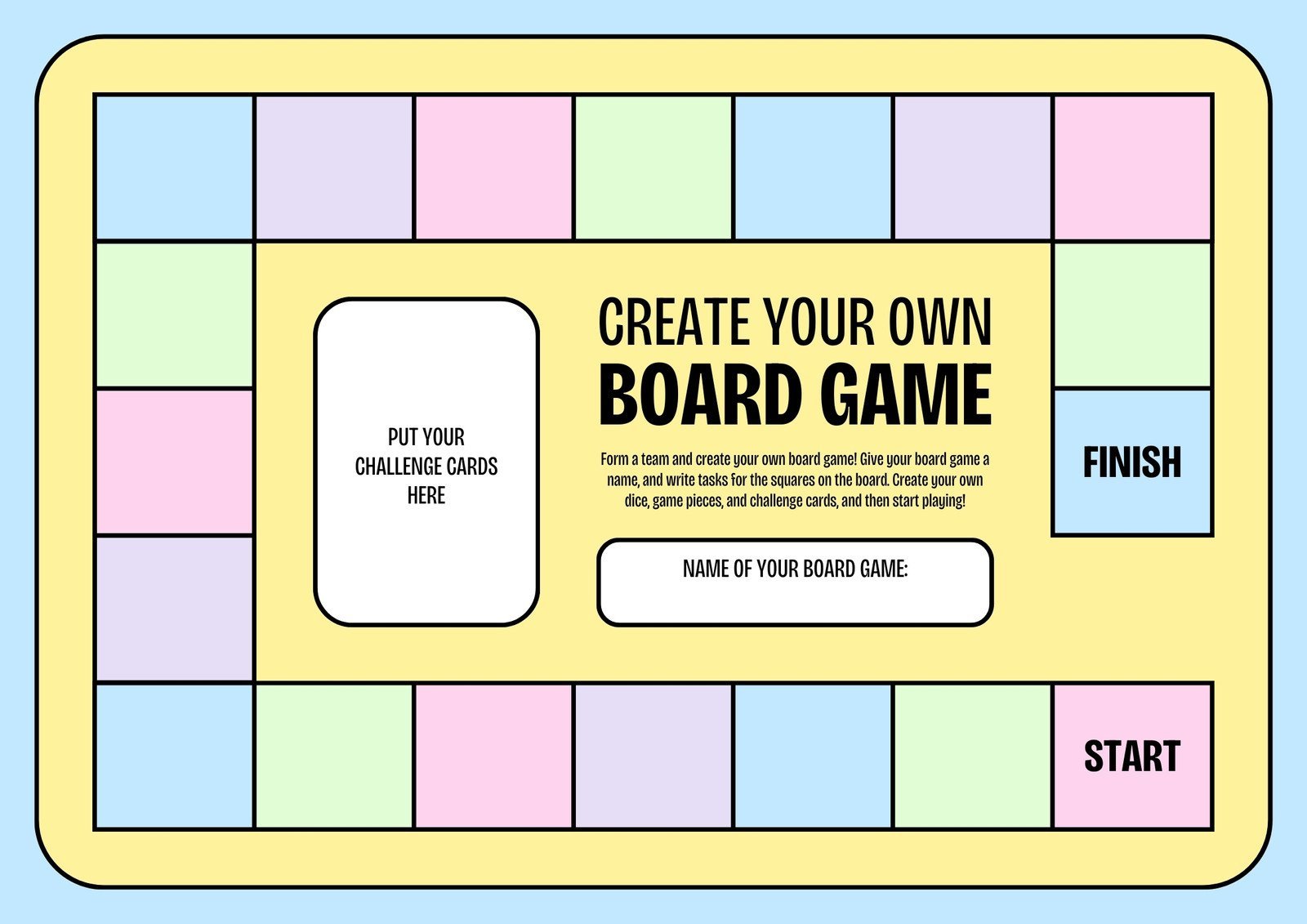
Creating a board game involves developing a concept, designing gameplay mechanics, crafting components, and playtesting.
Ever had a brilliant game idea bubbling in your mind and wondered, “how can i create a board game?” It’s a common thought for many aspiring game designers. This creative process, from initial spark to final product, can seem daunting.
However, breaking down the process into manageable steps makes it surprisingly achievable. This guide provides essential insights to start you on the right track. Soon, you will be crafting a playable game.

How Can I Create a Board Game?
So, you’ve got a fantastic idea buzzing around in your head – a board game that you just know everyone will love! That’s awesome! But where do you even begin? Creating a board game might seem like a huge task, but it’s totally doable, and it’s super fun. Think of it like building a really cool, playable story. This guide is going to break down the whole process into easy-to-understand steps, from that first spark of an idea to having a finished game ready to play. We’ll explore everything, starting with the very first step. Get ready, because we’re about to embark on an exciting journey!
Brainstorming Your Board Game Idea
Every great board game starts with a great idea. This is where you let your imagination run wild! Don’t worry about whether the idea is “good” or “bad” right now; just get it all out there. Think about what kinds of games you enjoy playing. What do you love? What annoys you? These questions can give you some great starting points.
Choosing a Theme
A theme is the setting or story of your game. It’s what makes your game different from every other game. Consider what type of story you want to tell. Do you want to be pirates searching for treasure? Maybe you’d prefer to build a city, race across a distant planet, or even grow a fantastical garden? The theme will influence the art, the game mechanics, and even the names of the game elements.
- Fantasy: Think wizards, dragons, and mythical creatures.
- Sci-Fi: Consider spaceships, aliens, and futuristic technology.
- Historical: Look at different eras or events in history for ideas.
- Real-Life: You could base your game on everyday activities like cooking or running a business.
- Animals: Use animals as the main characters, like in a jungle adventure or farm-themed game.
Deciding on Game Mechanics
Game mechanics are the rules of the game, what players actually do. This is how players interact with the game and with each other. Think of dice rolling, drawing cards, moving pieces, or even strategic placement. There are tons of ways to build a game, and combining different mechanics will give your game a unique feel. Let’s look at some common mechanics:
- Roll and Move: Players roll dice to move around the board (like in many classic board games).
- Card Drafting: Players pick cards from a set, which affect their game.
- Worker Placement: Players place “workers” on action spaces to perform tasks.
- Area Control: Players try to control areas on the board to gain points.
- Resource Management: Players collect and manage resources to win the game.
- Set Collection: Players try to collect specific sets of cards or game pieces.
- Cooperative Play: Players work together towards a shared goal, rather than competing against each other.
Target Audience
Who are you making this game for? Are you planning on creating a game for families with young kids? Or maybe you’re aiming for a more strategic experience for adults? Knowing your target audience will help guide your decisions about complexity, theme, and gameplay length.
Designing Your Board Game
Once you’ve got the basic ideas, it’s time to start shaping them into a real game. This part is like building the blueprint for your house or a map of your adventure. It’s not set in stone at this point, it’s flexible and you can make changes!
Creating the Game Board
The game board is the stage where the game action happens. It can be simple or complex, depending on your vision. Here are a few things to consider:
- Size and Shape: How big will your game board be? What shape will it take?
- Pathways: Will players follow a set path or move more freely?
- Spaces: What will the spaces do? Will they trigger events or provide resources?
- Artwork: Even in the initial stage, consider the artwork that might go on the board.
A simple board can be drawn by hand for testing. There are also online resources for creating more polished digital board designs if you prefer that route. Even simple designs on paper can provide a good feel for the general flow and shape of the board
Designing Game Pieces
Game pieces are what players use to interact with the board. Consider what these pieces look like, and what they represent. Common components include:
- Player tokens: What will they look like? Pawns, mini-figures, or something else?
- Cards: What information will they have on them? Actions, resources, or special events?
- Dice: What type of dice will you use? How many sides will they have?
- Resource tokens: How will players track different resources, like money, food, or power?
Writing the Rules
The rules are the most important part of the game! They need to be clear, concise, and easy to understand. Here’s a step-by-step guide to writing good rules:
- Objective of the game: How do players win? This needs to be crystal clear.
- Game Setup: What needs to happen before starting? How to lay out the board, organize the pieces, etc.
- Gameplay Sequence: How does a player’s turn work? What actions can they take?
- Special Rules: Are there any extra rules or scenarios you need to explain?
- Winning Conditions: What specific conditions will end the game and decide the winner?
Start by writing a very basic set of rules for your game. You can always change and refine them as you playtest. Make sure that everything is very clear, and don’t use big words that might be hard to understand. Keep it simple.
Playtesting Your Board Game
Playtesting is crucial for ensuring your game is balanced, engaging, and fun. This is the step where you find problems, fix errors, and make your game even better. This is also the most exciting, since this is where you really get to see your creation come to life.
First Round of Playtesting
Start by playtesting your game by yourself. This might sound a little silly but it can be surprisingly useful. You’ll catch the most obvious errors in your rules this way. Once you’ve tested it by yourself, invite some friends or family. These first playtests don’t have to be perfect. Look for places where players get confused or bored.
Gather Feedback
After each playtest session, ask for feedback. What did players like? What did they dislike? Was the game too easy or too hard? Listen carefully to their suggestions, and don’t be afraid to make changes. Some great questions include:
- Was the objective of the game clear?
- Were the rules easy to understand?
- Did you feel engaged throughout the game?
- Was the game balanced? Did one player have an advantage?
- What was your favorite part? What was your least favorite part?
- Would you play this game again?
Use this feedback to improve your game. Playtest it again and again. Try different things. Make sure to take notes as you test!
Iterate and Refine
Playtesting isn’t a one-time thing. It’s an ongoing process. After each round of testing, analyze the feedback, make adjustments to your game, and playtest again. This is the “iterate and refine” cycle, and it’s what turns a good idea into a great game. It’s normal to need several rounds of changes to get things just right. This is a normal process, and don’t get frustrated when things don’t work exactly right the first few times you play.
Preparing for Production
Now your game has been tested many times and you’re feeling great about the end result. Now its time to think about bringing your board game to more people than just your friends and family. If you are planning to make your board game available for sale to the public, you will need to prepare your game for production. This may involve some extra steps but it will be well worth it.
Finalizing Game Components
You will need to create the final artwork for your game board, pieces, and cards. This might involve hiring a professional graphic designer, or creating the artwork yourself, depending on your budget and skills. You might need to think about choosing high-quality paper for the game components and making sure they can stand up to wear and tear.
Writing Final Rules
Your final rule book must be clear, easy to read, and include all the information a player needs to play the game. You might want to look for examples of other rule books online. You may want to include examples of play, diagrams of the game board, and maybe some common questions players might have.
Choosing a Manufacturer
If you are planning to produce many copies of your board game, you will need to find a good manufacturer. There are many different board game manufacturing companies out there, and you can choose one based on their cost, the quality of their work, and their turnaround time. Get quotes from several manufacturers before deciding.
Marketing and Sales
How will you get the word out about your board game? Think about creating an online presence and how you plan to sell your board game, for example on your own website, or on a larger platform like Amazon or Etsy. Will you focus on local game stores or sell your product online only?
Making Your Board Game
You’ve come such a long way! Now that all the designing, testing, and planning is complete, it’s time for the best part, bringing your game to life!
Do It Yourself
If you are making only a small number of your board game, you could make it yourself. This can be a rewarding process as you see your board game come to life. You can print the components, cut them out, and assemble everything yourself. While this requires effort, it allows you to control the entire process.
Working With a Manufacturer
If you decide to hire a manufacturer for your board game, you will need to communicate your needs very clearly. Make sure to review the proofs of the game components that the manufacturer sends to you, to make sure that everything is correct. If you are selling your game online, you might consider shipping the game components directly to the customer rather than to yourself. Doing this can reduce time and cost.
Enjoy Your Board Game!
Congratulations! You’ve created your own board game! Now it’s time to share it with others and watch them have fun playing. Creating a game is hard work, but it’s also incredibly rewarding. The feeling of seeing someone enjoying your board game is amazing. Never stop creating and having fun!
Creating a board game is a journey, not a sprint. Enjoy the process, learn from each step, and most importantly, have fun. Remember that every game is unique, and yours will have its own special charm. You have the potential to create something amazing, and with a little bit of effort and a lot of creativity, you can definitely do it!
How to Make a Board Game in 2024
Final Thoughts
To create a board game, begin by brainstorming a fun core concept. Then, consider the game mechanics; will it use dice, cards, or tiles? Develop a prototype using simple materials, then playtest it rigorously.
Refine your rules based on playtesting feedback. Next, develop artwork and components for a polished game. The process of how can i create a board game involves iteration and patience.

