
Preserving game prototypes requires careful digital archiving, using emulators and specialized hardware, and sometimes physical storage of original media with meticulous documentation.
Imagine a world where the very first sparks of your favorite games were lost to time, the initial concepts and experiments that gave birth to them vanished forever. How can prototypes of games get preserved? It’s a critical question, because these early builds offer unique insights into game development history and design.
They represent a vital part of the creative process. These prototypes deserve our attention, and with proper effort, we can ensure these artifacts survive for future generations.

How Can Prototypes of Games Get Preserved?
Imagine finding a dusty old box in your attic. Inside, you find a game you loved as a kid, but it’s not the finished version – it’s an early version, a prototype! It might have different levels, characters that look funny, or even bits that didn’t make it into the final game. These game prototypes are super important for understanding how games are made, but they’re also very fragile. So, how can we make sure these cool pieces of history don’t disappear forever? Let’s explore the ways we can keep game prototypes safe for future generations.
Understanding the Value of Game Prototypes
Game prototypes are like secret blueprints for our favorite games. They show the step-by-step process of how an idea turns into a playable game. Think of it as seeing the rough drafts of a story before it becomes a published book. These early versions of games reveal a lot about:
- The development process: We can see how game creators experimented with different ideas.
- Abandoned concepts: Prototypes often include characters, levels, or mechanics that were changed or removed. This gives us insights into the creative choices made.
- Evolution of game design: By comparing prototypes to finished games, we learn how design trends and technologies influenced the final product.
- Historical context: Early prototypes can also tell us about the technology of the time period in which they were created.
These early game builds are not just interesting for video game history enthusiasts; they are also valuable for future game designers. They can learn from the successes and failures of their predecessors. Just like studying old paintings or books, studying game prototypes helps us understand our culture and how we communicate through play.
The Challenges of Preserving Game Prototypes
Keeping game prototypes safe is not as easy as just sticking them in a box. Prototypes come in many shapes and sizes, each with their own challenges:
Physical Media
Many early prototypes were stored on physical media like:
- Floppy disks: These disks can get damaged or corrupted easily, and finding working disk drives these days can be hard.
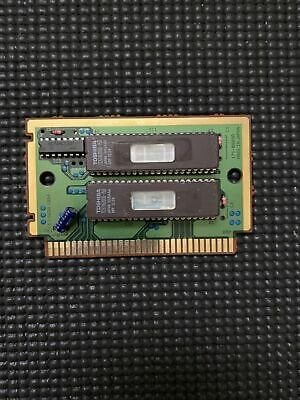
- Cartridges: Game cartridges are also vulnerable to damage, and the way they store data can degrade over time.
- CD-ROMs: Although more durable than floppy disks, CD-ROMs can still suffer from scratches and data rot.
These materials are susceptible to heat, humidity, and physical wear and tear. The technology to read them can also become obsolete very quickly. Imagine trying to read a floppy disk today when most computers don’t even have a drive for it.
Software and Hardware Dependencies
Prototypes are often created using very specific software and hardware:
- Proprietary development tools: Game studios often use in-house or custom tools, which are not always available to the public.
- Obsolete operating systems: Many older game prototypes run on outdated operating systems that are no longer compatible with modern computers.
- Specific hardware requirements: Some prototypes may require specific consoles or computers that can be rare or difficult to obtain.
This means even if you have the physical media, you might not have the right setup to actually play the prototype. Think of it like finding an old movie reel – you need a special projector to watch it!
Legal and Copyright Issues
Many prototypes are not officially released, and some have very specific copyright situations:
- Unfinished work: Prototypes are usually incomplete or contain elements that are protected by copyright. Sharing them online or publicly can cause problems.
- Company rights: The rights for the prototype may belong to a game studio that may not have interest in releasing the prototype.
- Undocumented agreements: The agreements on how prototype should be used can be unclear, creating difficulties in how they can be preserved.
Navigating these legal matters can be complex. It is very important to proceed carefully to avoid copyright infringement.
Fragility of Game Files
Digital files for game prototypes are not always organized and can often be messy:
- Incomplete data: Sometimes, prototypes are not fully functional, and the game files are incomplete.
- Unorganized data: Prototype files often lack a clear naming structure and can be in many different formats.
- Lack of documentation: Prototypes may not have a clear explanation or instructions for how to use or play them.
It’s like finding a jigsaw puzzle with missing pieces and no picture on the box. Without proper documentation and organization, these digital files can be very hard to work with.
Methods for Preserving Game Prototypes
Despite the challenges, there are several effective ways to preserve game prototypes. Let’s look at some of the important methods:
Digital Archiving
The process of making digital copies of game prototypes is known as digital archiving. This approach involves:
- Image backups: Creating image files of physical media to protect the data. These images can be stored in multiple places.
- File preservation: Keeping the files used for the game in specific, well known formats to make sure they can be accessed in the future.
- Metadata creation: Adding information to the files that can help understand what the files are. These things include the game’s name, what platform it is for, and any special notes about the prototype.
Think of this like making digital copies of old photos so they won’t fade over time. Digital archives can be easier to access and share (with proper permission) compared to fragile physical media.
Emulation
Emulation is the process of creating software that mimics the behavior of older hardware. This approach lets you play a prototype that was originally made for a game console on a modern computer.
- Platform emulation: There are emulators for many different consoles and computers, which makes them a great way to keep old prototypes available.
- Reverse engineering: Developers sometimes need to figure out how to run the prototype, so the emulator works correctly. This process is sometimes complex but important for game preservation.
Emulation can be very helpful if you don’t have access to the original hardware that the game was made for. It’s like having a magic tool that can make any old video game play on your computer.
Documentation and Metadata
Prototypes are not very useful if you don’t know what they are or how they work. Here’s how documenting helps:
- Written documentation: Creating detailed notes on the game’s features, its development story, and any interesting facts about the prototype.
- Video documentation: Recording gameplay footage that shows how the prototype functions.
- Interviews: Talking to the original game developers to get their stories about the game design and creation process.
This gives important context that goes beyond just playing the prototype. It’s like having a guide that explains the secret meaning and history behind a work of art.
Community Involvement
Preserving game prototypes is too big for a single person or organization to do. Community groups play a big part:
- Volunteer archivists: These are people who help find, copy, and organize old game prototypes.
- Fan communities: Gamers that are passionate about video games can help identify and preserve lost or forgotten prototypes.
- Open-source projects: Many people work together to make emulators and tools that are free for all to use.
Working together helps make sure that this important work does not get lost. Imagine a team of explorers who are all working together to find and save ancient artifacts.
Partnerships and Institutional Support
Major institutions also play a vital role in preserving game prototypes:
- Museums and archives: These places have the right facilities and expertise to preserve game prototypes.
- University programs: Many universities have study programs focused on game preservation, where they teach future archivists to protect these pieces of history.
- Game development companies: Game companies can also participate in preserving their past games and making them available to researchers and the public.
Support from these organizations can provide funding and other resources, which can help a great deal in preservation of video games.
Specific Preservation Strategies by Type of Prototype
Depending on the format of the game prototype, some specific methods are more suitable. Here are some examples:
Physical Prototypes on Floppy Disks
For floppy disks, it’s important to create digital image files and store them separately. Here’s a step-by-step process:
- Assess the floppy: Check for any physical damage.
- Use a working drive: Find a reliable floppy disk drive that is compatible.
- Image creation: Using a specialized software create an image file of the content in the disk.
- Secure storage: Store the image files in multiple locations, including cloud storage, and also create hard copies for backup.
Physical Prototypes on Cartridges
For cartridges, use a hardware device designed for dumping the contents of game cartridges into a computer. The process includes:
- Device connection: Connect the cartridge to the device that will read the cartridge.
- Data transfer: Transfer all data on the cartridge to a computer file.
- File verification: Ensure the file was copied correctly.
- Secure storage: Store the file in multiple places.
Digital Prototypes
For prototypes already in digital format, focus on organization and access. Key steps include:
- File organization: Use a clear, consistent system for naming and organizing files.
- Metadata tagging: Add as much details as possible including the game’s name, developer, the platform, and other notes.
- Format conversion: If the file format is outdated, convert them into current formats where it’s necessary.
- Accessibility testing: Check that the prototype works on available emulators or hardware.
The Future of Game Prototype Preservation
The ways we preserve game prototypes will keep getting better as new technologies are created. Some areas that are expected to be improved:
- AI-powered preservation tools: Artificial intelligence (AI) can be used to help identify, organize, and reconstruct broken game prototypes.
- Cloud-based archives: Using cloud platforms to store and access game prototypes that are easy to share and collaborate on.
- Improved emulation techniques: Better ways of emulating older hardware will make it possible to play more prototypes on modern computers.
- More public awareness: The importance of preserving games can become more widely known, encouraging further community support and funding.
These advancements will make it easier to protect these important pieces of gaming history. Future technologies can help save many prototypes that might have been lost or forgotten.
Preserving game prototypes is crucial for understanding the history of video games and the creative process behind making them. While it’s a complex task, the methods we discussed—digital archiving, emulation, thorough documentation, community collaboration, and partnerships—help us to keep this important part of our culture alive for future generations. These prototypes allow us to peek behind the curtain and see how our favorite games came to be, and as we move into the future, we must work together to ensure that these valuable historical artifacts are protected and appreciated.
I Found and Preserved 3 MORE Lost Game Prototypes…
Final Thoughts
Preserving game prototypes requires careful approaches. We must catalog development builds and associated hardware. Emulation becomes vital for playing older formats.
Documentation, including design documents and creator interviews, is a must. These elements add context and meaning. Physical media should reside in climate-controlled storage.
So, how can prototypes of games get preserved? Prioritizing accurate documentation and digital backups will allow future generations to learn from these valuable pieces of gaming history.

