
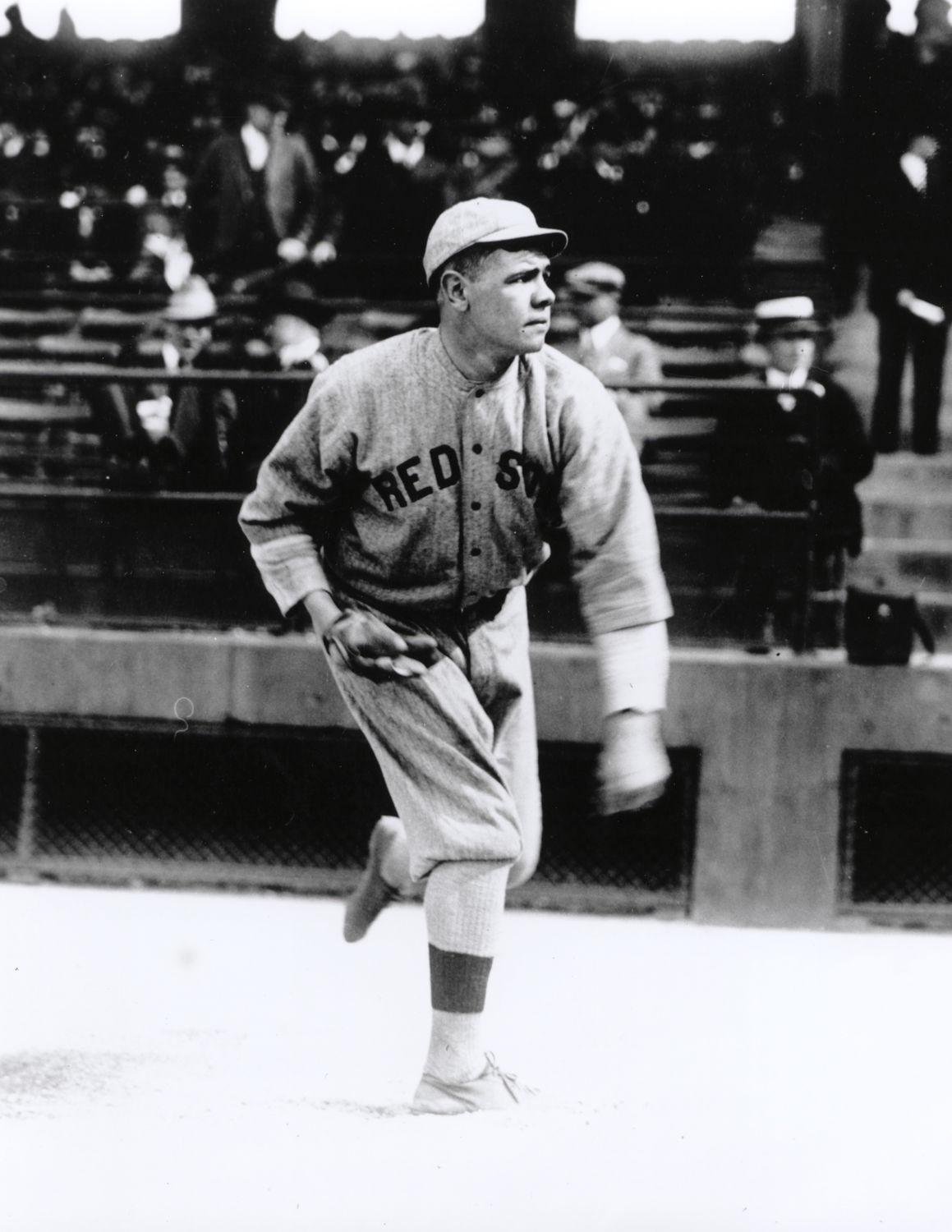
Babe Ruth changed the game of baseball by emphasizing hitting for power, significantly increasing home run totals, and shifting the game’s focus from small ball to slugging.
Baseball before Babe Ruth was a very different sport, emphasizing base hits and strategic plays. Then came the “Sultan of Swat.” This begs the question, how did Babe Ruth change the game of baseball? His prodigious hitting completely altered expectations. Suddenly, the long ball was king, reshaping how teams approached the game.

How Did Babe Ruth Change the Game of Baseball?
Babe Ruth wasn’t just a baseball player; he was a force of nature who completely changed how the game was played and perceived. Before Ruth, baseball was a more strategic, low-scoring affair, emphasizing hitting singles, stealing bases, and playing “small ball.” Then came “The Bambino,” and suddenly, everyone wanted to see the long ball fly. Let’s dive into the specific ways Ruth revolutionized America’s pastime.
The Rise of the Home Run
Before Babe Ruth, home runs were rare and not considered a primary offensive tactic. Most players focused on getting on base and advancing runners. Managers would often use the bunt or the hit-and-run. Ruth changed all that. He didn’t just hit home runs; he crushed them – long, towering blasts that thrilled crowds. He made the long ball the most exciting play in baseball. His power hitting changed the fans’ expectation, they wanted to see big home runs, not just tactical singles.
Breaking the Record Books
Ruth’s power hitting wasn’t just a fluke; he did it consistently, year after year. He shattered home run records that were once thought to be untouchable. This consistent display of power completely redefined what was possible in the game. He increased the home run total per game by a significant margin, and soon everyone was trying to hit the ball out of the park. For example, in 1919, before he became a full-time outfielder, he hit 29 home runs, which was a record. Then, in 1920, his first full season with the Yankees, he hit an incredible 54 home runs! This was more than almost any team had hit that year, not just individual players.
- 1919: 29 Home Runs
- 1920: 54 Home Runs
- 1921: 59 Home Runs
- 1927: 60 Home Runs (a record that lasted for a long time!)
Ruth didn’t just break records, he demolished them and set new standards.
From Pitcher to Power Hitter
Interestingly, Ruth began his career as a very good pitcher for the Boston Red Sox. He was talented, and many thought he would have a long career as a successful pitcher. He won 89 games as a starting pitcher. However, his hitting ability was so extraordinary that it became clear that his true potential was as a power hitter, not a pitcher. He was moved to the outfield full-time when he joined the New York Yankees and that’s when he really became famous for his bat. This transition from pitcher to a full time slugger was another big shift in how teams perceived player roles. Before Ruth, it was common for pitchers to also play positions in the field on their non-pitching days, they were not specialized like Ruth became.
The Rise of the Power Hitter
Before Ruth, hitters aimed for singles and doubles. They tried to move runners along the bases with bunts and stolen bases. With Ruth’s success, suddenly, the role of “power hitter” became a very important position on any team. Now, teams actively searched for and cultivated players who could hit the ball out of the park, because they saw how impactful it could be to score runs.
Changing Fan Expectations
Babe Ruth wasn’t just a baseball player, he was an entertainer. He brought a new level of excitement to the ballpark. Fans didn’t just come to see a game; they came to see Babe Ruth hit home runs. The atmosphere at games where he played was electric, and more people were drawn to baseball because of him. He wasn’t afraid to show emotion and fans loved his flamboyant and sometimes controversial personality. He made baseball more entertaining, more captivating and more exciting.
The Era of the “Live Ball”
Ruth’s popularity coincided with changes in the construction of the baseball itself. The “dead ball” era, where the baseball was softer and harder to hit far, was slowly being replaced with a “live ball”, meaning the ball was made slightly differently which allowed it to travel further. While this change didn’t single-handedly create the rise of the home run, it certainly helped players hit the long ball with more frequency, and Ruth took full advantage. The combination of a lively ball and Ruth’s power helped usher in a new and more exciting era of baseball.
Ruth’s Impact on the Business of Baseball
Ruth’s impact extended beyond the field; he was also a massive draw for teams. Teams quickly understood that they could sell more tickets if their team had a player who could consistently hit home runs like Ruth did. He helped to solidify the Yankees as a dominant force in baseball and a true money-making organization. He brought fans to the ballpark and they spent money on tickets, merchandise, and concessions. In this way, he became a brand unto himself and helped professionalize the business side of baseball.
The Growth of Media Coverage
Ruth’s popularity created a surge in baseball’s presence in newspapers, magazines, and eventually on the radio. His big personality and tremendous athletic abilities made him very popular in newspapers and radio, and he was the subject of many different stories in those media. This media attention helped grow baseball’s popularity across the country and his legacy still lives on to this day.
Beyond the Home Run: Ruth’s Impact on Hitting Philosophy
While Ruth is most remembered for his home run power, he also had a very keen eye and a unique approach to batting. He believed in swinging with power and hitting for the fences rather than just trying to put the ball in play. He made it cool to swing hard and try to hit the ball as far as you could, and his unique approach to batting influenced countless players who came after him.
Changing the Strike Zone
Ruth’s approach to batting indirectly changed how the strike zone was defined. Prior to Ruth, umpires would often call low strikes. Ruth’s towering home runs were often the result of him hitting high pitched balls well. So, in a subtle way, umpires started to call the strike zone more at the belt. This was all thanks to Ruth, since he forced umpires to adapt to his particular batting style.
Ruth’s Enduring Legacy
The effects of Babe Ruth on the game of baseball are still very much evident today. His approach to batting, his flamboyant personality, his record-breaking accomplishments, all continue to inspire players and fans alike. He remains an icon of the sport, and his impact can be seen in every game that is played. His style of baseball completely changed the game and ushered in the “live ball era.” He was one of a kind, and his impact on the sport will forever be remembered.
A Lasting Influence
Ruth’s impact extends beyond statistics. He showed that baseball could be exciting and entertaining. He helped establish home run hitting as a fundamental part of the game and changed the business side of baseball. He turned the game into something more than just a sport, it became a spectacle. He is undoubtedly one of the most important people in baseball history.
Babe Ruth did more than just hit baseballs. He altered the very fabric of the sport. His name is still synonymous with baseball and his impact can be felt every single time a batter steps to the plate. He is a true legend of the game, whose impact is sure to be celebrated for generations to come.
The Evolution of Baseball Strategy: How Did Babe Ruth Change the Game?
Final Thoughts
Babe Ruth fundamentally altered baseball. He shifted the focus from small ball tactics to power hitting. His prodigious home run totals captivated fans and filled stadiums.
Ruth’s impact forced other players to try hitting for power. This power hitting era became a standard and fans expect this style. How did Babe Ruth change the game of baseball? He made it a more exciting, offensive-oriented spectacle.

