
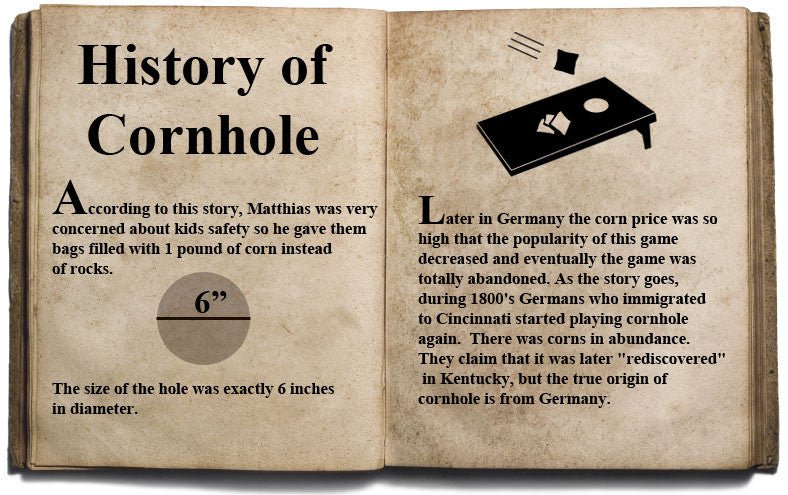
The game corn hole got its name because players originally used bags filled with dried corn kernels.
Have you ever wondered about the origins of your favorite backyard game? Many people play it, but they often ponder, “how did the game corn hole get its name?” It’s a simple question with a rather straightforward answer, tied to the game’s humble beginnings.
The name actually reflects what was initially used as the ‘bean bag’. Players used bags filled with dried corn, hence the name “corn hole”. It is a simple, direct reason and speaks of an old fashioned approach.

How Did the Game Cornhole Get Its Name?
Ever tossed a beanbag at a wooden board with a hole in it? Then you’ve probably played cornhole! It’s a super fun game played at picnics, tailgates, and backyard parties all over the United States. But have you ever stopped to wonder, “Why is it called cornhole?” It’s a funny name, isn’t it? Let’s dive deep into the story of how this popular game got its curious moniker. There are several theories surrounding the origin of the name “cornhole”. We will explore each theory to understand the complete picture about the history of the name cornhole.
The “Corn” Connection: The Heart of the Matter
The key to understanding the name “cornhole” lies in the word “corn.” In the early days of the game, people didn’t use beanbags like we do today. Instead, they filled small cloth sacks with dried corn kernels. This was a common practice because corn was a readily available and affordable material. Think about it: if you lived in a farming community, you’d have plenty of corn lying around! So, it makes sense that the bags they tossed were filled with corn. Hence, we have part of the name figured out! The game’s association with corn is also documented and has been confirmed by various credible resources. The material used to fill the sacks, which was corn kernels, played an integral part in influencing the name “cornhole”.
The “Hole” Component: Aiming for the Target
The “hole” part of the name is much simpler to grasp. The wooden board has a circular hole at the top, which is the target players try to get their beanbags into. A bag that goes through the hole scores more points than a bag that lands on the board. This hole is a crucial part of the game, and it makes sense it got included in the name. The combination of the corn filled sacks and the presence of the hole makes the name “cornhole” very descriptive of the game’s core elements.
Possible Name Origins: A Deep Dive
While it’s quite clear why corn and hole are part of the name of the game, the exact origins of the name “cornhole” are a bit fuzzy. The game goes by many names, including “bean bag toss,” “bags,” and “tailgate toss.” Let’s look at some commonly discussed theories about how the specific name, cornhole, evolved:
Theory 1: The Practical Naming Approach
The simplest theory is also often the most likely. When the game was still new, people often gave it names based on what they saw. Corn sacks were tossed at a board with a hole, so it’s quite plausible that someone simply started calling it “cornhole.” It’s descriptive and straightforward. Imagine kids playing on a farm, calling the game “toss the corn bags in the hole”, which later shortened to cornhole. This simple logic makes this theory the most compelling.
Theory 2: A Regional Evolution of the Name
Another theory suggests that the name “cornhole” might have developed regionally, particularly in the Midwest. As the game spread to other parts of the country, the name “cornhole” may have been used in some areas while other areas used other names. This regional variation could account for some of the confusion surrounding the exact origins of the name.
Theory 3: A Connection to Other Games
Some speculate that the name might have been influenced by other games that also used sacks filled with materials, especially with the word “hole” in its names. It is possible that when cornhole started to gain popularity, people associated it with other game that may have similar type of play. While there isn’t concrete proof of this, it’s an interesting angle to consider.
Theory 4: The Humorous Angle
Let’s be honest, “cornhole” has a bit of a silly sound to it. It’s possible the name started as a lighthearted or humorous way to refer to the game. Sometimes, the most catchy names are the ones that make you chuckle a bit. The humorous aspect of the name might also have helped in its popularity and memorability among people.
Different Names, Same Game: The Many Faces of Cornhole
It’s fascinating to see how different regions have different names for the same activity. Here are some common alternative names for cornhole:
- Bags: This is a simple and straightforward name, referring to the bags used in the game.
- Bean Bag Toss: This name focuses on the act of tossing beanbags (though originally they were corn sacks).
- Tailgate Toss: This name emphasizes the game’s popularity at tailgate parties.
- Baggo: This is a regional variation common in some areas.
- Soft Horseshoes: This name refers to a game somewhat similar to horseshoe, but using beanbags instead.
Each of these names provides a different perspective on the game, highlighting its various aspects. While “cornhole” has become the most prevalent name, these alternative names give us an idea of the diverse ways the game is perceived and enjoyed.
The Materials and Their Significance:
Let’s take a look at the materials that make up cornhole, and how they contribute to the game’s identity:
The Beanbags (Originally Corn Sacks):
- Corn Kernels: Traditionally, bags were filled with dried corn.
- Beans or Plastic Pellets: Nowadays, many bags are filled with dried beans or plastic pellets. This makes them more resilient and less attractive to pests.
The Cornhole Board:
- Wooden Construction: Most boards are made of wood, providing a stable and durable surface.
- Standard Dimensions: Cornhole boards have standard dimensions to ensure fair and consistent gameplay. Typically, these dimensions are 2 feet wide and 4 feet long with a six inch diameter hole centered nine inches from the top.
The Rise in Popularity: Why Cornhole is So Beloved
Cornhole has witnessed a major rise in popularity in the last couple of decades. Here are the key reasons why this game has captivated so many:
Easy to Learn, Fun to Play
One of the biggest reasons for cornhole’s popularity is its simplicity. You don’t need to be a star athlete to play. Anyone can pick up the basics quickly and start having fun. The rules are simple: toss the bag, try to get it in the hole, and score points. It’s straightforward and easy for people of all ages and abilities to participate. The intuitive nature of the game is one of its greatest strengths.
Social and Inclusive
Cornhole is also incredibly social. It’s often played in groups, making it perfect for parties, gatherings, and tailgates. People can chat, laugh, and compete in a relaxed and friendly environment. The nature of the game encourages interaction, creating a sense of community. It’s perfect for bringing people together and fostering friendly competition.
Portable and Accessible
The game’s equipment is relatively portable and easy to set up. You can play cornhole in your backyard, at a park, on the beach, or just about anywhere you have a flat surface. It doesn’t need special setup, making it ideal for casual gatherings and events. The ease of transport makes it convenient for a wide range of settings.
Competitive Fun
While it’s easy to learn, cornhole can also be very competitive. People love a good challenge and even a friendly rivalry, which is where the competitive spirit of the game comes into play. Many leagues and tournaments have cropped up around the world, giving players a platform to develop their skills and compete against others. This adds another dimension to the game’s appeal, making it engaging for both casual and serious players.
Generational Appeal
Cornhole is also unique in its appeal to different generations. From grandparents to kids, people of all ages can enjoy the game together. The simplicity of the rules, combined with the fun factor, is something that anyone can enjoy. This generational inclusivity makes it a wonderful game for family gatherings and community events.
Cornhole Today: A Cultural Phenomenon
Today, cornhole is more than just a backyard game. It’s a cultural phenomenon with a growing fanbase. Here’s how the game has evolved:
Organized Leagues and Tournaments
Cornhole leagues and tournaments are now found everywhere. This competitive aspect of the game has added an extra layer of excitement for players around the world. These leagues and tournaments have helped the game to gain national and even international visibility. The competitive aspect of cornhole has given rise to a formal and structured way of playing the game.
Custom Boards and Bags
The growth of cornhole’s popularity has led to a surge in demand for custom boards and bags. People now express their individuality through custom designs, themes, and styles. It is now very common to see uniquely designed cornhole sets, reflecting the diverse tastes of players.
Cornhole at Major Events
Cornhole has made its presence felt at major events across the country. From festivals to corporate picnics, cornhole is being incorporated as an activity. This integration into large-scale events highlights the game’s mainstream acceptance and popularity.
Final Toss: The Legacy of a Simple Game
So, how did the game cornhole get its name? It’s a story that’s as simple and fun as the game itself. The combination of corn-filled sacks and a board with a hole led to the creation of a name that’s both descriptive and a little bit funny. From its humble beginnings, this game has captured the hearts of people everywhere. The journey of cornhole is a perfect example of how a simple game can create so much fun, community, and cherished memories.
Cornhole 101: The ‘Hole' Story of a Backyard Game That's Now a Professional Sport
Final Thoughts
The name “cornhole” likely derives from the game’s early use of corn-filled bags. People tossed these bags at a hole in a wooden platform. It’s a very descriptive name based on the equipment.
Essentially, “corn” refers to the bag’s contents and “hole” is the target. This straightforward connection explains how did the game corn hole get its name. This simple game has a straightforward name.

