
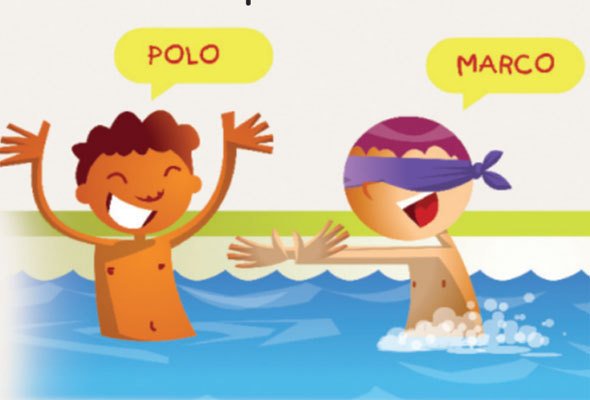
The game Marco Polo likely originated as a variation of blind man’s bluff, evolving into a pool game where one person, “it,” closes their eyes and tries to tag others by relying on vocal cues.
Have you ever wondered about the origins of that classic pool game, Marco Polo? It’s a staple of childhood, but how did the game marco polo start is a question that often pops up. It seems to be a simple game of tag with a fun twist.
People believe its roots are in the game blind man’s bluff. Over time, it transitioned to a water game with unique vocal calling. Now, when you hear someone yell “Marco,” and another answer “Polo,” you know exactly what is happening.

How Did the Game Marco Polo Start?
The game of Marco Polo, a fun pastime for kids in swimming pools and backyards, seems like it’s been around forever. But have you ever wondered, “how did the game Marco Polo start?” It’s a question that takes us back not to ancient explorers, but to the fun-loving spirit of children and a bit of game evolution. Let’s dive deep into the story behind this beloved game and explore its origins, the evolution, and how it became the game we all know and love today. It’s a journey through time, games, and a little bit of imagination!
The Likely Roots of Marco Polo
Unlike many games with clear historical records, Marco Polo doesn’t have a single, definitive starting point. Instead, it seems to have grown from a combination of older games, common children’s play, and a dash of imagination. One thing is pretty clear: the game’s development wasn’t a sudden creation, it gradually changed over time. Let’s look at some likely roots.
Blind Man’s Bluff: A Predecessor
Many historians and game enthusiasts suggest that Marco Polo is a variation of a much older game called Blind Man’s Bluff. This game has been played all over the world for centuries. In Blind Man’s Bluff, one person is blindfolded, and they try to catch the other players, who then become the new “it”. Think of it like tag but with the twist of blindness. You can see how the idea of one person trying to find others by sound is a concept that is also part of the game of Marco Polo.
Here’s how Blind Man’s Bluff works:
- One person is blindfolded (the “seeker”).
- The other players move around.
- The seeker tries to tag another player.
- Whoever gets tagged becomes the new seeker.
The Element of Water Play
Another significant influence on Marco Polo is the simple fun of playing in water. Kids have always enjoyed splashing, swimming, and engaging in water games. Adding a chasing element to this natural joy in water makes perfect sense. The combination of Blind Man’s Bluff, which uses sound and touch, and the freedom of water, created a perfect environment for the development of a water version of tag.
Why “Marco Polo”? The Name’s Tale
One of the most interesting questions about this game is why it’s called Marco Polo. It’s not because of the famous explorer, although it may be a tribute of sorts. Marco Polo was an adventurous explorer, and this idea of a search, or adventure, seems to fit perfectly to the game. This could be how the name became attached to it.
Here are a few thoughts on how the name might have connected with the game:
- The Idea of Exploration: Marco Polo’s travels were filled with discovery and unknowns. Like the game, the search for other players is similar to exploring. The “it” player is trying to discover where others are.
- Word Association: “Marco” is a short, easy-to-remember word, and calling out “Marco” and having someone respond “Polo” is a simple two-word call and response that’s easy for kids. This could have just clicked and stuck over time.
- A Playful Connection: Children often love to connect real people or events to their play. It’s possible the name was adopted to give the game a little bit more fun and adventure.
The Evolution of the Game
While we can’t pinpoint the exact moment Marco Polo came to be, we can see how it evolved from similar games and playful ideas. Let’s follow the journey of its transformation.
From Land to Water
As we discussed, it appears likely that the game began like Blind Man’s Bluff. However, as the game moved to water, it changed from traditional blind man’s bluff. The person who is ‘it’ is not fully blindfolded in the water. They keep their eyes closed or shut. Water provided a different environment, where players were more free and mobile than they would be if they were on the land.
The Addition of the “Marco” and “Polo” Call
This key element, the call and response of “Marco” and “Polo,” is a major differentiator between Marco Polo and Blind Man’s Bluff. The “it” player calls out “Marco,” and the other players respond with “Polo”. This creates a sound guide for the seeker, making it easier for them to find the other players in the water or, sometimes on land if being played in a field or a play area.
Global Spreading
Marco Polo, like many games, spread across the globe. Its easy-to-understand rules and the fun it provided helped the game gain popularity with young people of many different cultures. It became a common choice at pools, beaches, and any place where there was water and space to play. The beauty of games like Marco Polo is that you don’t need special tools or expensive equipment to play. This makes it easy to learn and teach to people around the world.
How Marco Polo is Played Today
The basic rules of Marco Polo have remained remarkably consistent over the years. Here’s a quick recap of how to play:
- Choose “It”: One player is chosen as “it.” This can be decided in any usual way like, eeny, meeny, miny, moe, or who is the last person to get into the pool.
- “It” Closes Their Eyes: The person who is “it” closes or shuts their eyes and stays like that during the game.
- The Call and Response: The person who is “it” calls out “Marco.” All other players must respond with “Polo.”
- Catch the Players: The person who is “it” tries to tag another player using the sounds to guide them. They must keep their eyes closed or shut until they have tagged a player.
- New “It”: Once a player is tagged, they become the new “it” and the game restarts.
Variations of the Game
Like any great game, Marco Polo has developed variations over time. Here are a few common twists you might encounter:
- Underwater Marco Polo: In this version, the player who is “it” has to find the other players under the water. This can add extra fun to the game.
- Color Marco Polo: Players call out a color, rather than “Polo.” The person who is “it” tries to catch the other players who are trying to get to a certain color.
- Shark Attack: A game similar to Marco Polo but with different call-outs. Instead of saying “Marco”, the player who is it calls “Shark Bait” and the other players respond with “Gulp”.
Why the Game Endures
Marco Polo has been played by generations of kids, and it continues to be a popular choice for games today. Why is this so? Several factors contribute to its timelessness.
Simplicity
Marco Polo is easy to understand. Its basic rules can be explained quickly. This makes it perfect for children of different ages and ability levels. Kids can begin playing immediately without complicated rules or equipment.
Fun and Engaging
The combination of searching, chasing, and the call-and-response makes it a very engaging and fun game. The element of surprise as you get closer to another player, or the excitement of trying to escape the “it” player, makes it very enjoyable and keeps kids active.
Promotes Social Interaction
Marco Polo is a game that encourages children to interact with each other, which means it is a great group activity. It helps improve social skills and promotes team building among kids. It also teaches kids how to interact in the spirit of fun and also develop patience in dealing with others.
Adaptability
The game’s ability to be played in various environments, from pools to fields, gives it more flexibility. The numerous game variations, mentioned earlier, keeps it fresh, and ensures there’s always a new way to play the same old game. Whether it’s in a backyard pool or a public swimming pool, the game always provides hours of fun.
In conclusion, the story of how Marco Polo began is not a single event but an evolution of several factors. Its roots in games like Blind Man’s Bluff, the joy of water play, and the addition of the familiar “Marco” and “Polo” calls have combined to create a timeless classic. Its simplicity, adaptability, and social nature ensure that kids will continue to enjoy it for generations to come.
How to Play Marco Polo
Final Thoughts
The origins remain hazy, but the game likely started as a simple form of tag in swimming pools. One person closes their eyes and calls out “Marco,” while others respond “Polo,” which aids the search. It’s a fun, chaotic water game that has entertained generations.
How did the game marco polo start, you might ask? It’s difficult to pinpoint a specific moment or person. It seems to have simply evolved as a way to play and have fun in the water.

