
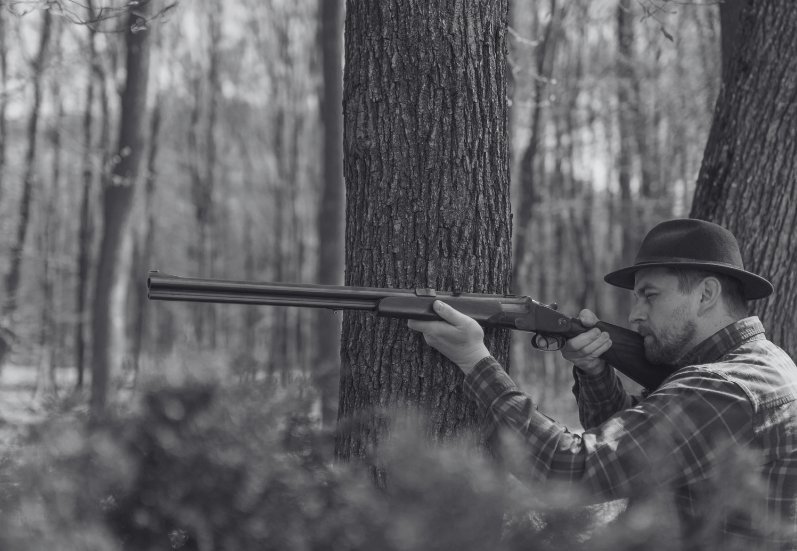
Game conservation laws directly regulate hunting seasons, bag limits, and permitted hunting areas, significantly impacting when, where, and how many animals hunters can legally take.
Ever wondered how rules about wildlife actually change the way people hunt? It’s a common question, especially among those who enjoy time in nature. Many hunters find themselves needing to adjust their traditional practices due to these regulations. This makes understanding how do game conservation laws affect hunters essential for responsible outdoor participation.
These rules protect animal populations, ensuring healthy wildlife numbers. Ultimately, they aim to create a balance between recreation and the long-term survival of species.

How Do Game Conservation Laws Affect Hunters?
Imagine you’re all set for a weekend hunting trip. You’ve got your gear, your licenses, and you’re excited to spend some time in nature. But before you even step into the woods, there’s a whole set of rules you need to know – these are game conservation laws. They’re not there to make hunting harder, but to make sure that there are animals to hunt for years to come. These laws affect hunters in many ways, and understanding them is essential for every responsible hunter. Let’s delve into how these rules work and why they are so important.
The Core of Conservation: Protecting Wildlife Populations
At the heart of game conservation laws is the idea of maintaining healthy wildlife populations. It’s about ensuring that hunting doesn’t lead to the decline or disappearance of any animal species. Think of it like a bank account, but instead of money, it’s animal populations. We can take some out (hunt), but we need to make sure there’s still enough left to grow and thrive.
Setting Hunting Seasons
One of the most noticeable ways conservation laws affect hunters is through the establishment of hunting seasons. These seasons are not random; they are carefully chosen times of the year based on the life cycle of the animal. For example, deer hunting season often happens after the main breeding season, and before the severe winter months begin. This helps to:
- Prevent hunting during breeding times, ensuring next generation of animals
- Avoid hunting when animals are vulnerable
- Control animal populations by maintaining a balance
Hunting outside of these designated seasons is illegal and carries significant penalties. These seasons are not about restricting hunters; they are about ensuring a future for the species. They ensure that hunting does not occur during sensitive periods such as mating and birthing.
Bag Limits: How Many is Too Many?
Another important tool in conservation is the use of bag limits. Bag limits are regulations that limit the number of animals that a hunter can legally kill during a specific time period. This is in order to avoid overhunting and prevent the local extinction of the targeted species. Bag limits can change from year to year depending upon the population of the animal being hunted. There are different reasons to have bag limits such as:
- Prevent over hunting of a specific species.
- Ensuring that the population is sustainable
- Allowing the animal populations to continue breeding in that area.
Bag limits can vary significantly depending on the species, sex of the animal (often, the harvest of females is more restricted), location, and population health. For example, you might have a limit of one buck deer and two antlerless deer in one area, but a different limit in a neighboring area, depending on the population size. These limits are put in place to ensure that some animals survive to breed in the following season.
Permits and Licensing
Before you can head into the woods with a firearm or bow, you usually need the proper permits and licenses. These are not just fees; they are a vital part of wildlife management. The funds from these licenses often go directly back into conservation efforts. This includes research, habitat restoration, and law enforcement. Getting a license often requires:
- Passing a hunter safety course.
- Showing proof of residency.
- Paying the required fees.
These steps ensure that hunters are trained and aware of the hunting regulations and contribute to conservation of natural resources. It allows tracking of the number of people who are hunting. This data helps wildlife officials to make educated decisions about population management.
Habitat Protection and Its Impact on Hunters
Game conservation isn’t just about regulating hunting; it also involves protecting the places where animals live. The laws that protect habitats, such as forests, wetlands, and grasslands, have an indirect but significant impact on hunters. After all, animals need safe and suitable places to live in order to thrive. When their homes are safe and healthy, they can provide a better experience for hunters.
Protected Areas and Refuges
Many areas are designated as protected zones, such as national parks, wildlife refuges, and state management areas. These places may have restrictions or outright bans on hunting. The rules for these places are there to:
- Provide safe space for wildlife to live, breed, and migrate.
- Preserve natural ecosystems.
- Offer opportunities for scientific research.
While these protected areas may seem like they limit where hunters can go, they play a crucial role in maintaining animal numbers and ensuring there are healthy populations of game to hunt. They are the source that will eventually repopulate hunting locations.
Habitat Management Techniques
Beyond just protecting areas, there are laws that require active management of habitats. This may involve prescribed burns, forest thinning, and restoring waterways, the goals of these are:
- Improve the habitat for wildlife.
- Create better food sources for animals.
- Maintain biodiversity.
Hunters see the benefit of these management techniques in the form of larger and more consistent populations of animals to hunt. By improving the quality of the habitat, they are ensuring that animal populations will thrive in the long run.
Fair Chase and Ethical Hunting Practices
Conservation laws and ethical hunting practices go hand-in-hand. Many of the rules that are established are about promoting fair chase hunting. This means hunting in a way that respects the animals, without giving an unfair advantage to the hunter.
Restrictions on Hunting Methods
Conservation laws often include restrictions on the types of equipment or methods that can be used when hunting. Some of these restrictions include:
- Banning the use of baiting.
- Banning the use of certain types of traps or snares.
- Restrictions on types of firearms or ammunition.
These rules are in place to ensure that the hunt is conducted fairly and that animals have a reasonable chance to evade the hunter. It promotes respect for wildlife and the environment. These restrictions lead to safer conditions for both the animals and the hunters.
Respecting Private Property and Landowner Rights
Hunting laws also cover the rights of landowners. Hunters need to follow rules related to private property, such as:
- Requiring permission from landowners before entering their land to hunt
- Staying off areas that are posted ‘No Trespassing’
- Treating the land with respect.
Ignoring these rules can lead to penalties and affect the image of hunters in general. When hunters respect landowners’ rights, it helps foster positive relationships, ensuring access to hunting areas in the future.
The Role of Enforcement and Penalties
Of course, all these laws and regulations are only effective if they are enforced properly. Law enforcement agencies like game wardens and conservation officers are vital to the conservation process. They are the ones making sure everyone follows the rules that are in place.
What Happens if You Break the Rules?
The penalties for breaking hunting or conservation laws can be significant. They often depend on the severity of the violation and can include:
- Fines and monetary penalties.
- Loss of hunting privileges.
- Confiscation of equipment.
- Jail time ( in more serious cases).
These punishments are necessary to deter people from breaking the law. They ensure that the consequences of illegal hunting are significant enough to protect wildlife. They make sure that people follow the laws to maintain animal populations.
The Importance of Reporting Violations
Hunters also have a responsibility to report violations they witness. This helps law enforcement officers do their job and protect natural resources. By reporting illegal activity, hunters become active participants in conservation efforts. They are helping to hold others accountable.
Adapting to Change: A Dynamic Process
Game conservation laws are not set in stone. They are constantly being reviewed and updated based on scientific research and changes in wildlife populations. This means hunters need to stay informed about any updates or changes.
How to Stay Up-to-Date
Staying informed about hunting regulations is crucial for every hunter. You can do this by:
- Regularly checking the state or provincial hunting regulations guides.
- Visiting the website of your local fish and wildlife department.
- Attending hunter education courses.
- Engaging in local hunting and conservation groups.
Staying informed will keep you on the right side of the law, help you to hunt in an ethical manner, and ensures you are participating in the conservation process. Being up-to-date helps in the long term success of wildlife and hunter safety.
The Benefits of Conservation for Hunters
It’s easy to view game conservation laws as just restrictions and rules, but they also provide great benefits for hunters. When the rules are followed, it can result in:
- Healthy and abundant wildlife populations.
- Greater hunting opportunities.
- A rich and lasting outdoor experience for generations to come.
By following these laws and regulations, hunters are doing their part to ensure that wildlife thrives and continues to be available for hunting. It promotes ethical hunting traditions in the long run.
Game conservation laws are a key part of the hunter experience, ensuring the practice is sustainable and ethical. By knowing and following these rules, hunters are contributing to the health of our wildlife populations and protecting our natural resources for future generations. Conservation laws are ultimately about working together to protect our environment and ensure there are animals to hunt in the long run. When hunters work with conservationists, wildlife officials, and landowners, everyone wins. It is all about a healthy environment and healthy wildlife for all.
How Do Game Conservation Laws Affect Hunters?
Final Thoughts
Game conservation laws directly affect hunters by setting limits on hunting seasons, bag limits, and permitted hunting methods. These regulations aim to maintain healthy wildlife populations and prevent overhunting. Hunters must adhere to these rules, purchase appropriate licenses and tags, and face penalties for violations. This ensures ethical hunting practices.
Following laws is a must for all hunters. Ultimately, “how do game conservation laws affect hunters” is about responsible interaction with the environment, balancing recreational enjoyment with ecological stewardship. Hunters play a critical part in conserving natural resources when they follow these regulations.

