
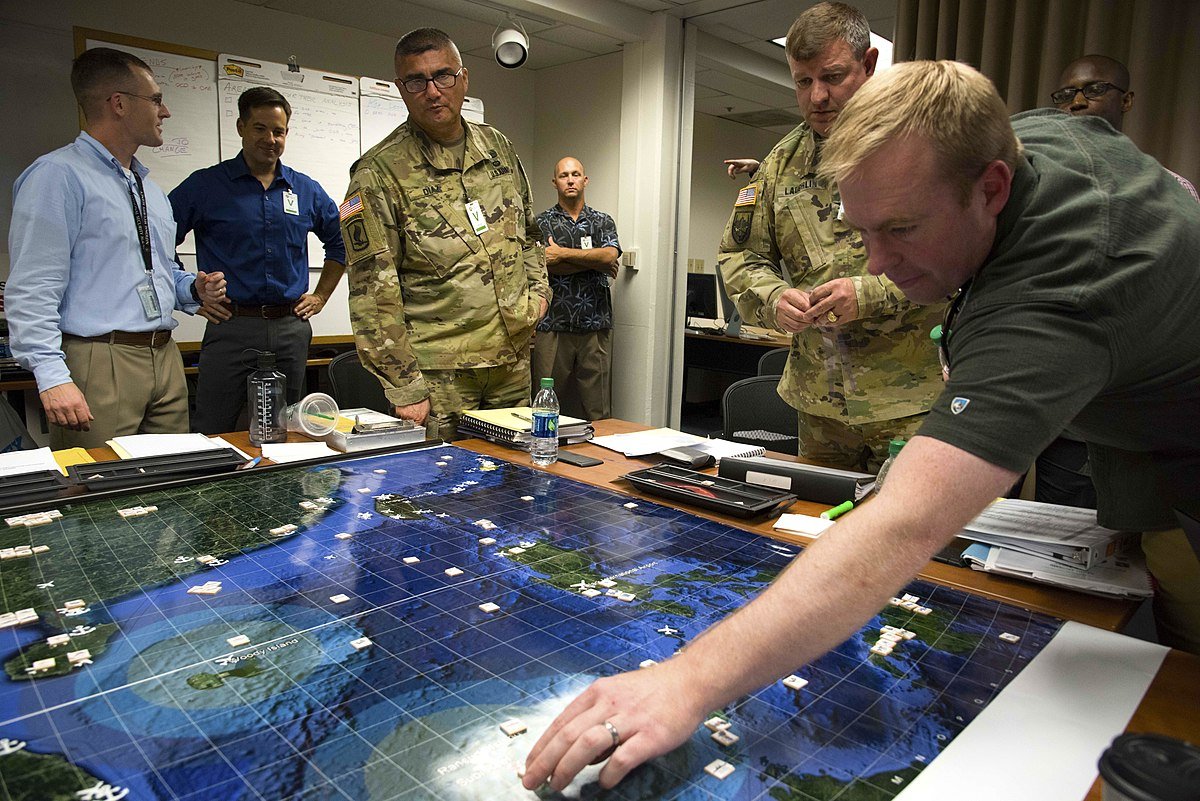
Military war games work by simulating potential conflicts, allowing commanders to test strategies and evaluate outcomes without real-world risk.
Ever wondered how military leaders prepare for complex scenarios? They don’t jump into live combat without careful planning. So, how do military war games work? These simulations are actually quite fascinating.
War games use models, often computer-based, to mimic battlefield conditions. They let forces practice maneuvers, test weapon systems, and refine their tactical approach. This allows them to explore various options and understand the impact of different decisions.

How Do Military War Games Work?
Have you ever wondered how military leaders plan for big operations or train for different kinds of battles? It’s not just about reading books or watching movies. They actually use something called “war games.” These games are like really complex board games, but instead of moving little plastic pieces, they involve people, computers, and lots of thinking. Let’s dive into how these intriguing games work and why they’re so important for keeping countries safe.
What Exactly Are Military War Games?
At their core, military war games are simulations. They’re designed to mimic real-world scenarios, ranging from small skirmishes to large-scale conflicts. Think of it as a practice run, but with very serious consequences if things go wrong. The goal isn’t to win like in a regular game, but to learn, identify weaknesses, and test strategies without putting real lives at risk. These games can involve different branches of the military – like army, navy, and air force – and may even include other government agencies or international partners. The main idea is to understand how different decisions might play out under various conditions.
Types of Military War Games
Military war games aren’t all the same. They come in many shapes and sizes, each serving a different purpose. Here are a few common types:
Tabletop Exercises
These are the most basic form of war games. They usually involve a group of people gathered around a table with maps, charts, and other materials. Participants act out different roles, making decisions and discussing the implications. Tabletop exercises are great for quickly testing initial plans and ideas. They don’t require fancy technology, making them very flexible and cost-effective.
Computer-Based Simulations
As technology advanced, war games moved to computers. These simulations can be incredibly detailed, involving thousands of virtual units, weather patterns, and even the behavior of civilians. Computer models allow military planners to test very complex situations and evaluate the potential outcomes of various strategies with greater accuracy. They also allow for rapid replay and adjustments.
Live Exercises
Live exercises are where the virtual world meets the real world. They involve soldiers, ships, planes, and other equipment actively participating in a war game scenario. Live exercises provide invaluable experience, but are very expensive and require extensive preparation. They help to assess how forces and systems perform in real-life situations. It also highlights communication and coordination aspects between different units and branches of military.
Hybrid Exercises
Hybrid exercises combine elements of tabletop, computer simulations, and live drills. For instance, a headquarters staff might participate in a tabletop exercise, which is fed into a computer simulation, with a live unit engaging in practical training in a different location. This method seeks to provide a complete experience and enables testing different variables together.
How a Typical War Game Unfolds
Let’s walk through the typical process of a military war game, although the process may vary slightly depending on the complexity of the game. In most of the cases, the process typically involves the following:
Scenario Development
First, someone designs the scenario. This could be based on a real-world problem or an imagined future conflict. The scenario includes details like who the players are, what their resources and goals are, where they are located, and what other constraints apply. The designers make sure that the scenario is challenging and realistic enough to provide valuable insights.
Team Assignment
Next, people are assigned to different teams, each representing a different force or player in the game. These teams are usually called “Blue,” “Red,” and “Green” depending on the specific scenario. Each team is given a specific role, and they are expected to act based on the perspective of that role. This can involve everything from strategic planning to tactical decision-making.
Gameplay
The gameplay then starts. Teams make decisions and communicate their moves, which are then executed within the framework of the simulation. Computer-based war games usually automate most of the execution of actions based on the rules and models built into the simulation. In other cases, experienced controllers may step into the role of adjudicating the results. During this phase, the participants receive information about the result of their actions, and this help them to adjust their plans and strategy.
Analysis and After-Action Review (AAR)
Once the gameplay is complete, teams gather to discuss what happened. They review their decisions and their effectiveness. They look at what went well and what could have gone better. This process is a critical part of learning from the simulation. It’s like getting feedback on your homework, helping you understand what mistakes were made, so that we can get it right next time. The AAR process focuses on practical insights, identifying areas that require improvement, and updating standard procedures.
The Benefits of Military War Games
So, why go through all this effort? Why are war games so essential for the military? There are various advantages of conducting a war game for the military and here are the main benefits:
- Testing Strategies: War games give the military a safe place to try out different plans without any risk to real people or assets. They can see what works, what doesn’t, and adjust their strategies accordingly.
- Identifying Weaknesses: Simulations expose weaknesses in plans, equipment, and even the way different parts of the military work together. These vulnerabilities can be corrected before they cause any problem in real life.
- Training Leaders: War games provide military leaders with the experience of making decisions under pressure, especially in time-sensitive situations. This is invaluable preparation for any type of real crisis or conflict.
- Improving Coordination: War games require different military teams and even different military branches to work together. This teamwork training improves coordination and makes sure everyone knows their role, fostering smoother and more effective operations in the real world.
- Cost-Effective: Compared to real-world military exercises, war games are often more cost-effective, and they provide more data with lower risks. This allows the military to test complex scenarios with less resources.
- Preparing for the Unexpected: War games help the military prepare for a wide range of scenarios, including those that might be considered unlikely. This preparation increases their adaptability and resilience.
Examples of War Games and Their Impact
You may be curious to see how these war games are applied in real life scenarios. Let’s explore some examples of war games and their impact on military operations.
The Cold War
During the Cold War, both the United States and the Soviet Union extensively used war games to understand potential strategies and risks related to nuclear warfare. These games provided vital insights into the possible outcomes of different scenarios. These strategic studies helped to avoid the outbreak of any real conflict between the two powers. War games also helped both nations to develop doctrines for the use of nuclear weapons.
Naval War Games
Naval war games have a long history. These games are used to test various fleet tactics, evaluate new ship designs, and to understand naval logistics. These exercises have helped to shape naval strategies and have led to many new advancements in naval technology. They have also contributed to better understanding of the challenges of naval operations in different environments.
Cyber War Games
With the increased importance of computers, cyber war games have become essential. These games test a nation’s ability to defend its computer networks and infrastructure from cyber attacks. Cyber war games help to identify weak spots in computer security and to train specialists in defending networks from these threats. They also facilitate the development of protocols for cybersecurity.
Modern Day Applications
Today, war games are used for a broad range of modern conflicts and challenges, from counter-terrorism operations to disaster relief. These games help the military adapt to the new environment and to better respond to new and evolving threats. The focus is to ensure the armed forces are well prepared for whatever challenges come their way.
The Role of Technology in Modern War Games
Technology plays a huge role in today’s war games. Here are some ways technology enhances these simulations:
Advanced Computer Simulations
Modern computer simulations are incredibly sophisticated. They can simulate the weather, the behavior of troops, and even the way that information travels. This provides a level of realism that would have been unimaginable years ago. This detailed simulation allows the military to test and evaluate strategies in the most complex environment.
Virtual Reality (VR) and Augmented Reality (AR)
VR and AR technologies are transforming war games. These immersive tools can put participants right in the middle of a simulated battlefield, enhancing training and understanding. These technologies can be used to create more realistic scenarios and improve the overall learning experience for the participants. It can also be used to train soldiers in a variety of combat and non-combat situations.
Data Analytics and Machine Learning
Huge amount of data is generated from war games. Data analytics tools and machine learning are used to identify patterns and insights that human analysts might miss. This process can help the military make better decisions and improve their strategies, leading to smarter planning and better operations. Machine learning algorithms also help to predict likely outcomes and scenarios.
Communication Systems
Effective communication is vital in war games. Modern communication systems are used to support team coordination in simulations. This mirrors real world situation and helps the participants to understand how they could best communicate and coordinate with their teams in actual operations.
Ethical Considerations in War Games
While war games are incredibly useful, it’s important to think about the ethical questions they raise. Here are some of these considerations:
Avoiding Desensitization
Because war games simulate conflict, there’s a risk that participants could become desensitized to the real human cost of war. Military leaders work hard to ensure that such simulations remain a training exercise and don’t dull the participants’ understanding of the consequences of real violence.
Bias and Representation
If the scenarios in war games are not designed carefully, they might incorporate biases that could impact training and planning. This means those creating the simulations need to make sure they’re representing all sides in a fair and balanced way. This will help to promote an understanding of different perspectives.
The Risk of Misinterpretation
The outcomes of a war game are not always perfect predictors of what would happen in real life. Sometimes, the results can be misinterpreted or used to justify strategies that are not ethical or effective. That’s why military planners are careful to use war games as a training tool and not as the only source of guidance.
Military war games are a vital tool that help the armed forces prepare for future challenges. These simulations are used to evaluate new strategies and equipment without the cost and risk of real life. They also assist the military in understanding what works, what doesn’t, and how to improve. From tabletop exercises to cutting-edge computer simulations, war games continue to play a crucial role in shaping military readiness. They provide an educational and safe way to prepare for the various complexities and challenges that military forces may face. The benefits that these games offer, including strategy testing, leadership training, and better coordination, are why they remain an essential component of modern defense.
DC group's wargame predicts how China vs US war would end
Final Thoughts
Military war games simulate conflicts. They employ scenarios, rules, and player actions. These interactions test strategies and identify weaknesses. Analysis of results informs planning and decision-making.
Essentially, how do military war games work involves a controlled environment. Participants, acting as commanders and staff, execute plans. The games provide valuable insights. This helps improve preparedness and capability.

