
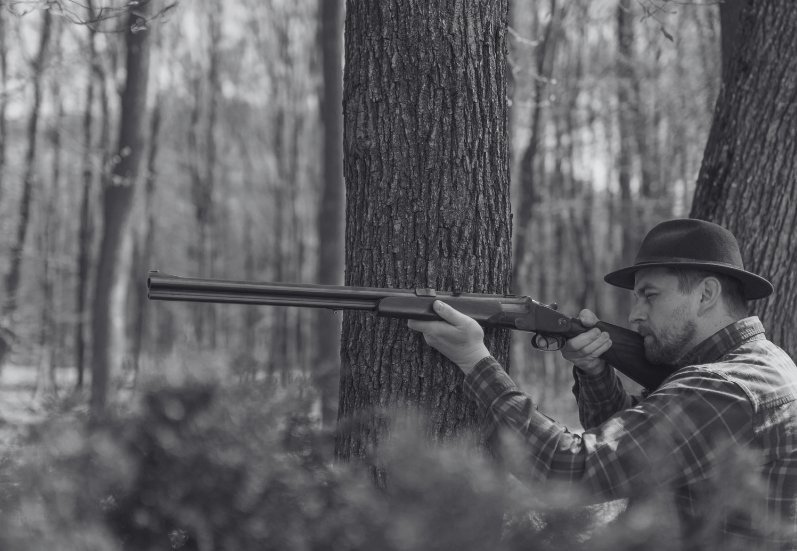
Game conservation laws directly affect hunters by regulating hunting seasons, bag limits, permitted hunting methods, and required licenses, impacting when, where, and how they can hunt.
Ever wondered how rules about wildlife influence our time in the field? Well, how do you game conservation laws affect hunters is a crucial question that impacts everyone who enjoys this pastime. These regulations, though sometimes frustrating, play a vital part in maintaining healthy animal populations.
They dictate when certain species can be hunted, limiting how many animals can be taken, and often specify what type of equipment hunters can use. These factors can change how we plan our hunting trips, and the overall experience.

How Do Game Conservation Laws Affect Hunters?
Game conservation laws are like the rules of a game, but instead of winning a prize, we’re trying to make sure animals and their homes stay healthy for everyone to enjoy, now and in the future. These laws directly impact hunters, changing how, when, and even where they can hunt. Let’s break down how these important rules work and why they’re so crucial.
Understanding the Basics of Game Conservation
Before we dive into the specifics, it’s good to know what game conservation actually means. It’s all about taking care of wild animals and their habitats. This involves things like:
- Making sure there’s enough food, water, and shelter for animals.
- Protecting their homes, like forests, grasslands, and wetlands.
- Keeping track of animal populations to ensure they don’t become too many or too few.
- Managing hunting activities so they don’t harm wildlife populations
Hunters play a big role in this process. They are not just people who harvest animals. They contribute by paying for licenses and tags which are a primary source of revenue to fund conservation programs. Also hunters play a vital role in managing animal populations by helping prevent overgrazing and spread of disease. Conservation laws help balance all of these aspects. They use different tools and practices to reach goals which are to have health wildlife populations and their natural habitats.
How Hunting Seasons and Bag Limits Shape Hunting
One of the most noticeable ways conservation laws affect hunters is through hunting seasons and bag limits. These regulations aren’t random; they are carefully set to protect animals during vulnerable times.
Hunting Seasons: Timing is Everything
Hunting seasons are specific time frames when it is legal to hunt certain animals. These seasons often align with the animal’s breeding cycle. For example, hunting deer during the rut (mating season) might cause problems for the deer population, so seasons usually occur at other times. Hunting seasons help ensure that enough animals survive to reproduce, keeping their numbers strong. These seasons usually are different for every animal. These seasons vary from state to state.
Here are some reasons for having a closed season:
- Protecting Breeding Animals: During the mating and birthing periods animals are more vulnerable and if we hunt during these times, it would affect the population negatively.
- Allowing Young to Grow: The young animals need time to grow to maturity, so closed season ensure these young can develop without being hunted.
- Preventing Overhunting: By having seasons we can ensure there are not too many animals taken from the wild which will help keep the wildlife populations healthy.
Bag Limits: How Many is Too Many?
Bag limits are the number of animals a hunter can legally harvest during a specific period, usually per day or per season. These limits help to prevent overhunting and ensure there are enough animals in a given area. Bag limits differ by animal and location and help to control how many animals are taken. Without bag limits, some areas might get depleted, affecting the overall balance. These limits are established by professionals who monitor the animal populations of specific areas and set limits accordingly, these limits keep the population within their environment’s carrying capacity.
Reasons behind bag limits include:
- Maintaining Population Balance: Bag limits prevent overhunting and keep the wildlife populations in balance.
- Fair Distribution: This ensure that all the hunters have an opportunity and fair chance to harvest the animals.
- Sustainable Hunting: These limits ensure the availability of animals for future hunting.
License and Permits: Your Ticket to the Field
To hunt legally, you need the proper licenses and permits. These are not just pieces of paper; they are tools for conservation.
Why Licenses Are Important
When you buy a hunting license, the money often goes directly towards funding conservation programs. These funds support things like:
- Habitat management and improvement projects
- Wildlife research and monitoring
- Law enforcement to prevent illegal hunting activities
- Public access programs to improve hunting opportunities
By buying licenses, hunters are directly contributing to conservation and wildlife management.
Understanding Tags and Permits
Besides licenses, you might need specific tags or permits to hunt particular animals. These tags often have detailed information like what species you can hunt, where you can hunt, and the allowable methods. These tags are essential for managing the harvest of specific animals. The tags ensure that hunters can’t hunt beyond their allowable limit. This is very useful in population management. These tags can also help to identify the harvested animal.
These permits often include information on:
- Species: Ensuring you are hunting the right animal.
- Location: Specifying the legal area to hunt.
- Method: The allowable method, for instance, weapon type or bait type.
Weapon Restrictions and Hunting Methods
Conservation laws often dictate the types of weapons and hunting methods that are allowed. These laws are made to ensure safety and fair chase.
Types of Weapons
Regulations exist to limit the effectiveness of the hunt, so there is less chances of over harvesting, depending on the specific animal. Some states ban certain types of weapons, like certain types of rifles or bows, for hunting specific animals. The reasons for such bans include ensuring fair chances for the animal and preventing over-harvesting. This keeps the playing field a bit level, giving the animal a chance.
Hunting Methods
Certain hunting methods might also be restricted. For example, hunting from a vehicle or using electronic calls might not be allowed in some areas. Fair chase principles are very important. Fair chase means giving the animal a fair chance to escape. It aims to keep the hunt ethical and sustainable. Ethical hunters respect the animals and the hunt.
Some examples of method restrictions might include:
- No hunting with the help of vehicles: Vehicles are banned to ensure that the animal is given a fair chance.
- No use of certain bait or lures: Some baits or lures are banned to ensure a level playing field.
- No use of certain electronic devices: Certain electronic devices are banned to ensure that the animal is given fair chance to evade.
Habitat Protection and Hunting Access
Protecting animal habitats is a big part of conservation. These protections directly affect where and how hunters can access the land.
Protected Areas: Sanctuaries for Wildlife
Many areas are designated as protected areas. These can be national parks, wildlife refuges, or other areas that are not accessible to the public for hunting. These areas are created to protect habitats and the wildlife they support, which means hunting is often restricted or completely prohibited. These areas allow the animals to breed and the habitat to recover.
Public and Private Land Access
Access to land is another factor. While some public lands offer hunting opportunities, others might have restrictions based on location and wildlife management goals. Private lands also present their own considerations. You usually require permission from the land owner before hunting on private lands. Conservation laws and regulations affect how you gain access to the hunting areas. Respect for property is important and always make sure you have permission before hunting on a private land.
Enforcement and Penalties
All these laws and regulations would not matter much if they were not enforced. Penalties are given for violations, which may include fines, loss of hunting privileges or even jail time. The penalties act as a big deterrent and keep hunters responsible. Conservation officers play a big role in ensuring hunters follow the law and that the animal populations are not negatively impacted by hunting.
Penalties for violating conservation laws may include:
- Fines
- Loss of hunting privileges
- Jail time in serious cases
Hunter Education and Ethical Hunting Practices
Conservation laws are not only about rules, but also about education. Many states require hunters to take education courses before getting a license. These courses teach them about:
- Wildlife identification
- Hunting ethics
- Safety procedures
- Conservation laws and regulations
Ethical hunting means doing things the right way. This includes following the laws, being respectful to the wildlife and the land, and ensuring a clean, quick harvest. Ethical hunters understand they are part of a system that needs to be managed properly for the health of the animal populations and ecosystems as a whole.
The Bigger Picture: Why It Matters
All these conservation laws and regulations work together to keep wildlife populations healthy and the ecosystems in balance. Hunters play an important role in this system. By following the rules, hunters are not only being responsible and ethical, but are also directly contributing to the conservation efforts for the future. Without these laws, we risk overhunting, habitat loss, and the decline of wildlife populations.
These laws are not designed to stop hunting but to help continue it in a responsible way. These laws are in place to ensure hunting can be enjoyed by future generations. As hunters, we should respect these laws and actively participate in the conservation efforts.
In summary, conservation laws greatly influence hunters through regulated hunting seasons, bag limits, license and permit requirements, weapon and method restrictions, access limitations, enforcement, and education. These regulations ensure ethical and sustainable practices are followed, actively contributing to wildlife conservation, and ensuring future generations can enjoy the same natural resources. By understanding and adhering to these laws, hunters can play a crucial role in preserving our natural heritage.
How Do Game Conservation Laws Affect Hunters?
Final Thoughts
Game conservation laws directly impact hunters through license requirements, restricted hunting seasons, and limits on the number of animals taken. These regulations aim to maintain healthy wildlife populations and prevent overhunting. Hunters must adhere to these laws to ensure the future of their sport and the ecosystem.
Ultimately, how do you game conservation laws affect hunters? They mandate responsible hunting practices, ensuring that future generations can also enjoy wildlife and the outdoors. A legal license and following bag limits are a must for all hunters.

