
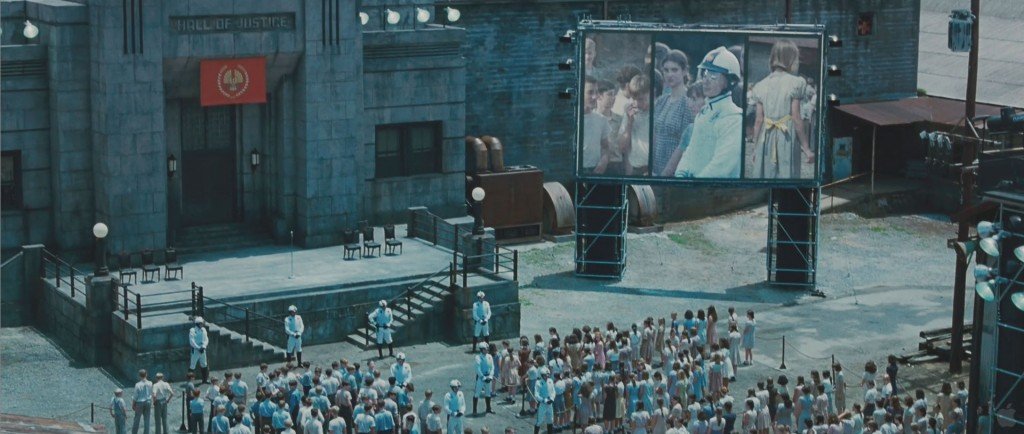
Your name gets entered into the Hunger Games reaping through the mandatory registration of citizens within each district and by adding tesserae for extra food rations.
Ever wondered how names end up in those chilling glass bowls? The annual reaping is a lottery no one wants to win, but how do you get your name in the hunger games in the first place? It’s a terrifying process, built on systematic registration and economic pressures.
Every child within the districts must register their name upon turning twelve, making them eligible. This base level entry guarantees a chance at being selected.
Families struggling for food can then add their children’s names multiple times for additional rations, which greatly increases their odds of selection, a grim consequence of poverty.

How Do You Get Your Name in the Hunger Games?
Okay, so you’re curious about how someone actually gets their name into the Reaping for the Hunger Games, right? It’s not like a lottery where everyone has an equal chance. It’s actually much more complicated and, sadly, unfair. Let’s break down exactly how the Capitol puts names into that big glass bowl and who is most likely to get picked. We’ll look at the rules, how things work in the districts, and the different factors that make some people’s names appear way more often than others.
The Reaping: It’s Not Just Random
The Reaping is the official ceremony in each of the twelve districts where the tributes, one boy and one girl, are chosen for the Hunger Games. The process seems random, but it’s far from that. The Capitol has a system, and like many things in Panem, it’s designed to maintain power and control.
The Basics of Name Entry
Every year, each child between the ages of 12 and 18 has their name entered into the Reaping. This is mandatory. Once you turn 12, your name gets thrown into the mix, and each year you get older, your name appears more times. That’s the first big factor, but it is not the only one. The system is designed so that even if you are at the youngest age bracket you have some chances of getting picked. And your chances increases as you get closer to 18, because that’s where your name would appear most of the time.
The Tesserae System: Adding Names to the Draw
Here’s where it gets even more complicated, and a lot more unfair. The Capitol knows that many families in the districts are poor. They introduce a system called “tesserae.” Think of it like a deal with the devil. If your family is struggling, you can sign up for tesserae. What you are doing is signing up for extra food grain and oil for the family, however, for each time you sign up for tesserae, you’re adding your name an additional time into the Reaping. So, if you need tesserae multiple times over the years, your name could appear dozens of extra times in the bowl. Let’s clarify how many extra times your name appears by making a table.
| Age | Base Entry | Extra Entries (per tesserae) |
|---|---|---|
| 12 | 1 | +1 (for each tesserae) |
| 13 | 2 | +1 (for each tesserae) |
| 14 | 3 | +1 (for each tesserae) |
| 15 | 4 | +1 (for each tesserae) |
| 16 | 5 | +1 (for each tesserae) |
| 17 | 6 | +1 (for each tesserae) |
| 18 | 7 | +1 (for each tesserae) |
This is why people from poorer families, who need to rely on tesserae for survival, are much more likely to be picked for the Games. It creates a situation where the poor are consistently sacrificing their children to survive. The Capitol makes it look like a “fair” random event, but it’s not, it is rigged against the underprivileged.
How the Districts Impact Your Chances
While the Reaping system is the same for all districts, the poverty levels of each district impacts the odds of getting picked greatly. District 12, where Katniss Everdeen is from, has exceptionally high rates of poverty, meaning there are more people relying on tesserae, hence more names in the bowl. Therefore, the probability of an individual from District 12 getting reaped is higher compared to the districts that are more well-off, like District 1 or 2.
District Wealth and Reaping Odds
The districts that produce luxury goods, like District 1 (luxury items) and District 2 (masonry and peacekeeping), have generally less families who need tesserae. This means fewer extra entries into the reaping bowl. Children from these districts still have their names entered, but they are less likely to be picked compared to a child in a district like 11 or 12 where tesserae are taken far more frequently. Let’s see a comparison.
- District 1 & 2: Lower reliance on tesserae, lesser entries, smaller odds.
- District 11 & 12: High dependence on tesserae, many more entries, higher odds.
This difference creates a disturbing social stratification, where children from certain districts are essentially born with a much higher chance of becoming a tribute. It reinforces the Capitol’s power and the control over the poorer districts.
The Volunteer System: A Different Path
Okay, so most people get picked based on the names already in the bowl. But, there is a thing called volunteering. What is that? Well, once a tribute has been announced, other people, usually from the same district as the reaped tribute, can volunteer to take their place. It seems like a selfless thing, however, the logic is a bit more layered.
Why Do People Volunteer?
There are several reasons why someone might volunteer. The first is pure love and sacrifice. A tribute from district 12, like Katniss Everdeen, volunteers to save her little sister, Primrose, and so it is common to see people volunteer in these conditions. However, more commonly you would see the more privileged people from Districts 1 and 2 volunteering as tributes. These volunteers from District 1 and 2 are generally more trained and equipped to deal with the games. They’ve trained for years in the hope of getting picked, viewing this as an honorable path. They have more chances of winning. Volunteering for them becomes a calculated move.
- Love and Sacrifice: To save loved ones (rare cases).
- Glory and Honor: Trained tributes from wealthier districts aiming for victory.
The Importance of Age
We already talked about age, but let’s look more closely. As we mentioned, when a child turns 12, their name goes into the Reaping for the first time. Every year you grow older, until you’re 18, the number of times your name appears in the bowl increases. This means that as you become older you are more likely to be chosen for the games. Older tributes have an advantage in strength and maturity, hence the tesserae is used far more for younger people who are yet to be at a peak condition to face the games.
Age and Probability
- 12-Year-Olds: Least likely to be picked based on base entries.
- 18-Year-Olds: Most likely to be picked based on base entries.
- Age with Tesserae: A 12 year old who has taken tesserae for many years, can have his/her name more times in the reaping bowl than a 17 year old who has not used tesserae.
The age system is designed so that younger children are not as frequently picked, however, when combined with the tesserae, the older children usually have better chances, but that is only if they were not taken as tesserae users previously. The system gives a greater probability for those who have the least means to defend themselves.
The Capitol’s Control Over the Reaping
It’s important to remember that the Hunger Games are not just a game. It’s a method of control used by the Capitol. By forcing the districts to provide tributes, the Capitol maintains its grip on power. The tesserae system is also a tool of control, keeping the poorer districts in a state of constant need, creating a need to sign up for tesserae, which adds names to the Reaping, therefore more children in the reaping bowl. It all circles back to power. The system is designed to break people into submissions, and they are forced to compete against each other in order to survive. It serves as a very clear message to districts who might revolt.
Psychological Manipulation
The whole thing also uses psychological manipulation. The Hunger Games are a horrific spectacle designed to remind the districts of the power of the Capitol. The Reaping and the selection of tributes instills fear, prevents rebellion, and promotes obedience to the Capitol.
- Instilling Fear: The very existence of the Games serves as a powerful threat.
- Maintaining Power: The system keeps the districts dependent and compliant.
The Unfair Reality
If we look at all of these systems, it is clear that the reaping is anything but random or fair. It is a system that is built to promote inequality. Poor families have their children have more chances of dying. The system pushes the districts to their breaking point and at the same time sends a very strong message of the Capitol’s power. The Hunger Games is a terrible system, and the method of choosing the tributes reflects this deeply.
Understanding this gives you a clearer understanding of how the Hunger Games operates. It’s not about chance. It is about power, control, and keeping the districts in submission.
The Hunger Games and the Reaping is a terrible system. The way the names are selected is anything but random, it is designed to take as many children from the poorer districts as possible. The tesserae system in particular makes it so that if your family needs extra help, your children have a higher chance of being chosen for the games.
How To Setup The Hunger Games Simulator
Final Thoughts
Essentially, children’s names get entered into the reaping based on age. Adding your name extra times by taking tesserae increases your chances greatly. This is the core of how someone gets chosen.
Ultimately, volunteering provides another route to the Games. How do you get your name in the hunger games? It’s either by random selection during the reaping or by stepping forward to volunteer and that is must.

