
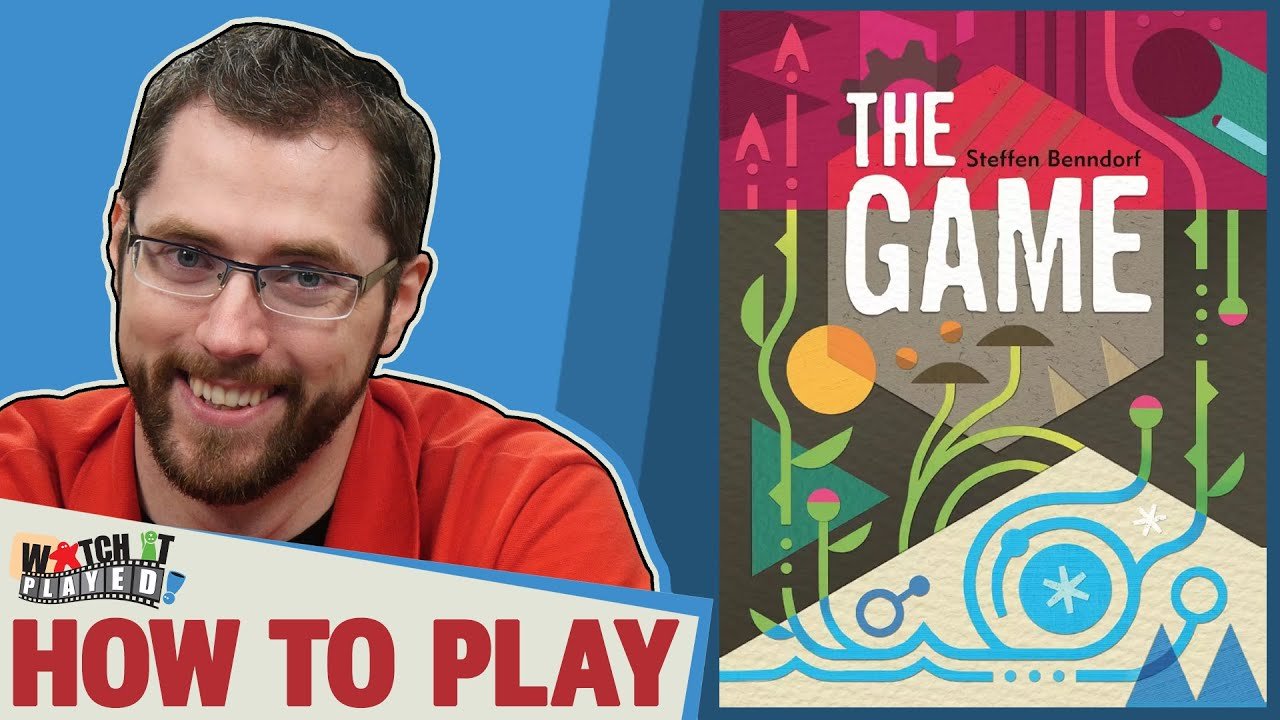
Playing a game involves understanding its rules, setting a goal, and then taking actions within those rules to achieve that goal.
Have you ever wondered how to dive into a new pastime? The question of “how do you play a game” might seem simple, yet it can be surprisingly complex. Each game presents a unique challenge with its own set of guidelines.
We often think about winning, but playing involves more than just that. It’s about engagement with the designed system and the strategies we choose.
Ultimately, understanding a game’s mechanics and how to make informed decisions within those confines is key to truly playing it.

How Do You Play a Game?
Ever wondered what it really means to “play a game”? It might seem simple, like just picking up a controller or dealing some cards. But there’s actually quite a bit involved in learning how to properly engage with a game, whether it’s a video game, a board game, or even a sport! Playing a game isn’t just about winning; it’s about understanding the rules, developing a strategy, and having fun. Let’s dive into all the steps involved in learning how to play a game.
Understanding the Basics
Before you can really get into the fun part, you need to grasp the fundamental aspects of a game. Think of it like learning a new language – you need to understand the building blocks before you can speak fluently. Here are the key things to understand:
The Game’s Objective
Every game has a goal. What are you trying to achieve? Are you trying to get the most points, be the first to cross a finish line, defeat an opponent, or create a magnificent city? Identifying the objective is the first step. Without knowing the ultimate goal, you will be wandering aimlessly. For instance, in chess, the objective is to checkmate the opponent’s king. In Monopoly, you aim to bankrupt all other players.
The Rules of the Game
Rules are like the laws of the game universe. They dictate how you can move, what you can do, and what you can’t do. Rules keep things fair and provide the framework for how the game works. It is crucial that you read and fully understand the game’s rulebook or instructions, no matter how tempting it may be to jump right in.
- Read the rulebook or instructions carefully.
- Watch a tutorial video, if available.
- Ask a friend who has played before.
- If unclear about a rule, clarify it before you proceed.
Game Components
Many games have distinct elements you need to get familiar with. What are the different game pieces, cards, or other materials? Understanding what each one is for is extremely important.
- Game Board: The playing surface for many games.
- Game Pieces/Tokens: The physical items that players use to represent their positions in the game.
- Cards: Used for instructions, resources, or random events.
- Dice: Used to generate random numbers.
Knowing these components gives you the foundation you need to start making sense of how the game works.
Starting to Play
Once you have a good handle on the basics, it’s time to begin! Don’t worry if you feel a little overwhelmed at first. Everyone starts somewhere, and it gets easier with practice. Here’s how to dive into the game:
Setting Up the Game
Setting up the game correctly is incredibly important for a smooth gaming experience. Follow the instructions carefully to position the game components in their proper places. This might involve unfolding a board, placing tokens in specific spots, shuffling cards, or placing dice in a cup. Improper setup can make your gameplay confusing. Here are a few common setup steps:
- Arrange all cards, tokens, and game pieces according to instructions
- For multi-player games, determine the order of play.
- Place the board in the center of the playing area where every player has clear access
- Make sure that all of the necessary components are readily available,
Learning the Controls/Mechanics
The control scheme depends on the type of game. Video games often use buttons on a controller, keyboard, or mouse. Board games usually involve moving tokens or making decisions. For sports, it involves physical actions like throwing, catching, or running.
- Practice the basic actions a few times before really getting into the game.
- For video games, try out the controls in the practice mode.
- For board games, get familiar with moving the pieces.
- In sports, start slow and master the fundamentals.
Taking Your First Turns
Now comes the first real action of the game! Start taking turns carefully, following the rules.
- Begin by making the easiest moves first, based on your current understanding
- For the first few rounds, make sure you understand the implications of your actions.
- Focus on learning the rules and game flow rather than trying to win in the first few rounds
Developing a Game Strategy
Once you’re past the basics, it’s time to think about strategy. Good strategy means you’re not just playing the game randomly; you’re planning ahead. It’s about making smart choices that help you win or meet your goal.
Understanding Different Strategies
Most games have several different paths that lead to victory. Trying different methods of playing can be very advantageous. Here are some general strategies that are used in various kinds of games.
- Aggressive Strategy: This means going on the attack to try to directly put opponents at a disadvantage.
- Defensive Strategy: The focus here is on protecting your own position and making it harder for other players to gain an advantage.
- Resource Management: In games where there is a collection of resources, it is important to efficiently collect and use these resources
- Adaptability: Be prepared to change your plan if your first strategy isn’t going to plan.
Planning Ahead
Think a couple moves ahead in most games. Doing this allows you to consider possible outcomes. Ask yourself questions like: “If I do this, what might the next player do?” or “If I take this item, what other opportunities might I have?”
Learning from Your Mistakes
No one plays perfectly all the time. Mistakes are part of learning. If something doesn’t work, analyze why, and adjust your future actions.
- Think about why you made certain decisions and if they were useful.
- Change your approach if what you’re currently doing isn’t working well
- Ask other players about their strategies for learning even more.
Improving Your Game
Playing a game isn’t just about winning or losing; it’s about growth and having fun. Here’s how to continually improve your game:
Practice Makes Perfect
The more you play, the better you become. The more practice you get, the quicker you can develop an intuition for the best moves to make during gameplay. Repetition builds muscle memory and allows you to play more smoothly.
- Try to play your chosen game as frequently as you can.
- Focus on identifying your areas of weakness and work to improve them.
Observing Other Players
Watching experienced players can show you new strategies and tactics. You can also learn what they did right, and what they did wrong. This is a great technique, especially if you’re having trouble improving alone.
- Watch professional video game players or seasoned board gamers.
- Pay attention to their actions and why they made them.
- Use this information to improve your own gameplay.
Asking for Advice
Don’t hesitate to ask others for tips and advice. Other players might offer useful information that you haven’t thought of yet.
- Ask your friends, family, or fellow players for tips.
- Try joining online gaming communities to ask experienced players.
- Be open to trying out new tactics and different suggestions.
Staying Updated
Many games evolve over time. The company that developed the game may make adjustments, patch, or change its rule set. Keep up with the latest news and information about your game, to stay competitive and informed.
- Subscribe to game newsletters and blogs.
- Join social media groups that are focused on that game.
- Be ready to change your gameplay style as the game changes.
Enjoying the Process
Finally, remember that playing a game should be fun! It’s easy to focus too much on winning, but the real joy comes from the experience. If you find yourself getting too competitive, try to shift your focus back to the simple fun of playing.
- Don’t be afraid to take a break when frustration sets in.
- Try to stay positive, and appreciate how you are improving
- A bad game is also a learning opportunity, and can be a way to figure out different tactics.
Playing a game is more than just following a set of rules. It involves understanding those rules, making smart choices, developing strategies, and most of all having a good time. Each time you play a game, you’re not just playing; you’re growing as a player.
World Biggest SQUID GAMES Girl 👧 #shorts
Final Thoughts
Playing a game involves first understanding the rules. Then, you apply these rules to make choices in the game. It’s about interacting with the game’s system and responding to its challenges.
Ultimately, “how do you play a game” boils down to learning and engaging with its mechanics. Careful planning and strategic thinking are often must for success. Remember to have fun, regardless of the outcome.

