
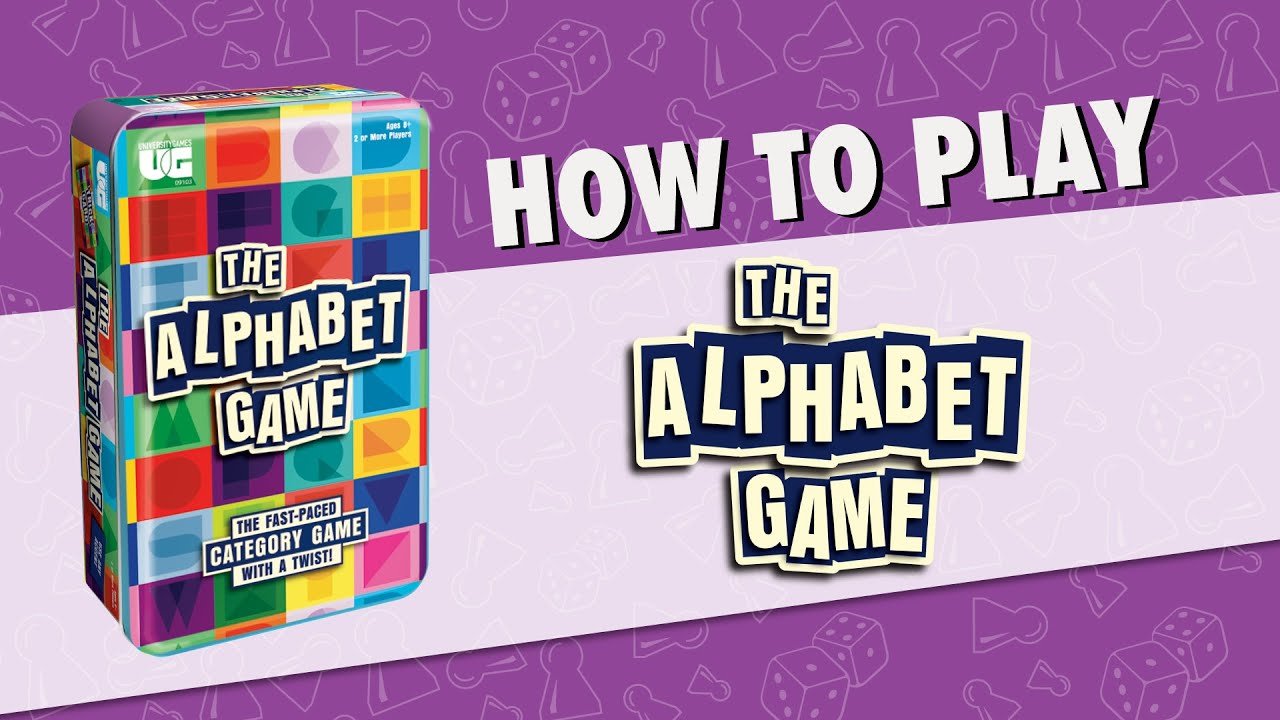
To play the alphabet game, you name things in alphabetical order, typically within a chosen category, with each turn progressing to the next letter.
Ever wondered about fun ways to pass the time, especially on a long car trip? One classic game that’s easy to understand is the alphabet game. How do you play the alphabet game, you might ask? It’s actually quite simple and can be adapted to various ages.
The basic idea involves picking a category – maybe animals, countries, or foods. Then, players take turns naming items starting with each letter, in order, from A to Z. It’s a great way to test your knowledge and have some laughs with friends and family.

How Do You Play the Alphabet Game?
The alphabet game, also known as the ABC game or categories game, is a super fun and simple way to pass the time, whether you’re on a long car ride, waiting in a doctor’s office, or just hanging out at home. It’s a game that’s easy for almost anyone to learn and play, and it can be modified to fit different age groups and interests. The basic idea is to come up with words or phrases starting with each letter of the alphabet, in order. But there are many ways to play, and we’re going to explore them all!
The Classic Alphabet Game: Simple and Straightforward
The most common way to play the alphabet game is to simply go through the alphabet, letter by letter. Here’s how it works:
- Starting with ‘A’: The first player begins by saying a word that starts with the letter ‘A’. It could be anything at all – an animal, a food, a place, a feeling, anything that pops into their head. For example, “Apple”.
- Moving to ‘B’: The next player has to say a word beginning with ‘B’. For example, “Banana”.
- Continuing the Alphabet: You continue taking turns, with each player saying a word starting with the next letter of the alphabet. So the third player would need to think of something starting with ‘C’, like “Cat,” and so on.
- Completing the Alphabet: You keep going until you reach the letter ‘Z’. That’s the whole alphabet!
This version is great for younger players just learning their letters, as it helps to reinforce their knowledge of the alphabet while making it a game. It’s also great for improving vocabulary and encouraging quick thinking. There are no winners or losers; the point is just to play together and have fun.
Adding Categories to the Alphabet Game
To make the game a bit more challenging, or just to add some variety, you can introduce categories. This means everyone has to think of a word within a certain group that starts with the current letter. Here’s how to do it:
Choosing a Category
Before you begin, agree on a category for the whole game. This could be anything! Here are some ideas:
- Animals: Think of animals like “Ant,” “Bear,” “Cat,” and so on.
- Foods: Imagine things you can eat like “Apple,” “Bread,” “Carrots”.
- Countries: Name countries like “Argentina,” “Brazil,” “Canada.”
- Cities: Name cities around the world such as “Amsterdam,” “Berlin,” “Chicago.”
- Things You Find in a House: Think of things at home, such as “Armchair”, “Bed”, “Clock.”
- Colors: Like “Aqua,” “Blue,” “Cyan”.
- Names: Think of people’s names such as “Alice,” “Bob,” “Charlie.”
You can make up silly categories too, like “Things That Are Funny” or “Things You See on the Road.” The category can change every round for more variety and fun!
Playing with Categories
Once you have chosen the category, the game plays out the same as the classic version, except each word must fit into the category.
- Starting with ‘A’: The first player says something that fits the category and begins with ‘A’. So, if the category is ‘Animals’, a player might say “Ant”.
- Moving to ‘B’: The next player says another animal that begins with ‘B’, like “Bear.”
- Continuing the Alphabet in the Category: Continue taking turns, with each player saying a word that fits the chosen category, beginning with the next letter of the alphabet.
Playing with categories adds a new layer of thinking and helps to expand vocabulary in specific areas.
Themed Alphabet Game
Instead of just categories, you can try a themed alphabet game where the entire game revolves around a central theme. This adds another level of creativity and can make it extra interesting. Let’s see how:
Selecting a Theme
Start by picking a theme. This can be almost anything that piques your interest. Some ideas include:
- Sports: Think of different sports or related terms, like “Archery,” “Baseball,” “Cricket”.
- Movies: Name movies from A to Z. Like “Avatar,” “Batman,” “Cars”.
- Books: Name books, such as “Alice in Wonderland,” “The Hobbit,” “Charlotte’s Web”.
- Music: Name music artists or music genres, such as “ABBA,” “Beatles,” “Country”.
- Holidays: Name different holidays or related terms like “April Fool’s Day,” “Birthday,” “Christmas”
- Science: Think of scientific terms, such as “Atom,” “Biology,” “Chemistry.”
Playing with a Theme
Once you’ve chosen the theme, follow the rules of the classic alphabet game, except each word or phrase must relate to the theme. If you’ve chosen the theme ‘Movies’, for example:
- Starting with ‘A’: The first player says the name of a movie that begins with ‘A’, like “Aladdin.”
- Moving to ‘B’: The next player says another movie that begins with ‘B’, like “Batman.”
- Continuing the Alphabet in the Theme: Continue taking turns, with each player saying a word or phrase that fits the theme, beginning with the next letter of the alphabet.
Themed games are fun because it creates a more focused and creative kind of thinking. It is great for people who already have some knowledge or interest in a certain area.
Variations for More Fun
The basic alphabet game can be adjusted to create variations, keeping the game exciting and different every time you play. Here are a few variations to try:
The “Around the World” Variation
Instead of just words, you use phrases. One player starts with a phrase that begins with ‘A,’ for instance, “A big, red apple,” and continues the phrase as the alphabet advances “Biting the big, red apple,” “Cracking open the big red apple,” and so on, each phrase adds onto the phrase before it. This creates a longer story as you move through the alphabet.
The “Quick Thinking” Variation
Set a time limit for each letter. Players might have 10 or 20 seconds to come up with a word, making it a test of quick thinking and putting a little bit of pressure on everyone. If someone can’t think of something in time, they might be ‘out’ for that round.
The “Alliteration” Variation
Players come up with words that follow alliteration, which is using the same sound at the start of connected words. So instead of just saying ‘apple’, the player could say ‘Amazing apples’. Then, for ‘B’ they could say ‘Big, bright balloons’ and so on, making it more fun with the sounds.
The “Storytelling” Variation
Make the alphabet game part of creating a story. Each player says one sentence at a time, starting with the next letter of the alphabet. The player beginning with ‘A’ might say, “A long time ago, there was a big, blue dragon.” The next player with ‘B’ might say, “Because he was very bored, he flew off to find adventure.” This can help to improve the whole group’s creative thinking and imagination.
The “Reverse Alphabet” Variation
Play the alphabet game in reverse order, starting from ‘Z’ and going all the way back to ‘A’. This can be tricky but fun, as it’s not as natural as the forward way. This variation is great for people who know the alphabet well and need a challenge.
Tips and Tricks for a Great Game
Here are a few tips to make your alphabet game experience more enjoyable for everyone:
- Be Patient: Remember, this game is meant to be fun. Don’t put too much pressure on yourself or others. Everyone has moments when they can’t think of something and that’s ok.
- Encourage Younger Players: If you’re playing with young children, you can offer hints or accept words that are close enough if they’re struggling.
- Mix it Up: Don’t be afraid to try different categories, themes, or variations to keep the game fresh and interesting.
- Write Things Down: If you are playing a longer game, writing down the words that have been said can help people keep track of what’s been used and what hasn’t.
- Adapt to the Players: Modify the game to fit the age and interests of the people who are playing with you.
Benefits of Playing the Alphabet Game
The alphabet game is not just a fun pastime; it also comes with a lot of good benefits:
- Builds Vocabulary: The game makes you think of lots of different words, growing your vocabulary.
- Improves Letter Recognition: Especially for young children, it helps to learn and remember the letters of the alphabet in order.
- Encourages Quick Thinking: Coming up with words quickly improves mental agility and can help with fast recall.
- Enhances Creativity: When using categories, themes, or making stories, it improves creative thinking and problem-solving.
- Promotes Social Interaction: It is a great way to connect, communicate and have fun with others, creating a sense of team play.
- Simple and Accessible: It needs no special equipment and can be played anywhere, at any time.
The alphabet game is more than just a game; it’s an exercise for the brain, a source of laughter, and a way to connect with friends and family. It is a simple game that brings plenty of entertainment, especially on long trips or rainy days!
It’s also something that you can use to keep kids entertained when you are out at a restaurant or in any other situation where you might need something fun to pass the time. And remember that you can always make up your own rules and variations so that it is always fresh and fun for all players.
How To Play: The Alphabet Game
Final Thoughts
Essentially, you begin by choosing a category like animals or countries. Then, each player takes turns naming items from that category, in alphabetical order. The next person must give an example that begins with the next letter in the alphabet.
The game continues until someone cannot think of an appropriate word. ‘how do you play the alphabet game’ involves remembering your place and thinking quickly. It is a simple but engaging pastime for all ages, suitable for long car journeys.

