
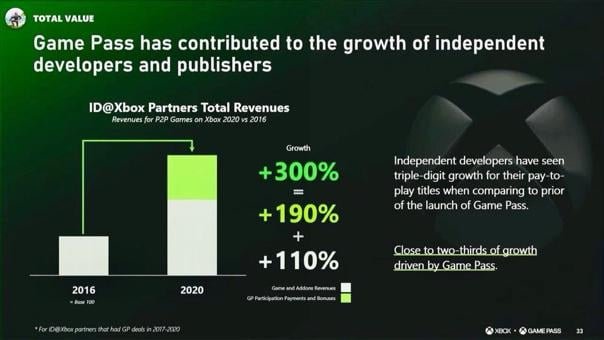
Game Pass pays developers through various agreements, including upfront fees, performance-based payments related to player engagement, and royalties from sales.
Ever wondered how developers make a living when their games land on Xbox Game Pass? It’s a frequent question, and understanding the financial side offers great insight into the ecosystem. The big question on everyone’s mind is, how does game pass pay developers, and it’s not as straightforward as a single payment model.
Different deals are struck based on game size, exclusivity, and projected popularity. These deals can involve initial lump sums, and ongoing payments based on how much players engage with their game. This system allows for a sustainable game development environment.

How Does Game Pass Pay Developers?
Alright, let’s dive deep into the fascinating world of how Xbox Game Pass actually pays the talented people who make the games we love. It’s not as simple as just selling a copy of a game, so things get a bit more interesting. Think of it like a really big buffet for gamers – they pay a monthly fee and get to try all sorts of different games. But how do the chefs, or in this case, the game developers, get paid for their hard work? Let’s explore the main ways.
The Core Compensation Models
There isn’t one single way that Game Pass pays developers. Instead, it’s a mix of different models, tailored to different game types and situations. Let’s take a look at the primary approaches:
Upfront Payment or Licensing Fee
The most straightforward way developers get paid is through a one-time payment or licensing fee. This is like buying the rights to use a game. Imagine Microsoft saying, “We really like your game and we want it on Game Pass, so we will pay you X amount of money.” This payment can vary significantly based on a few things:
The size and popularity of the game: A big, popular game is going to get a larger upfront payment than a smaller, indie title. It’s like a famous restaurant paying more for their ingredients.
The exclusivity of the deal: If the game is only available on Game Pass, that’s usually worth more money to the developer than if the game is available on other services. It is similar to getting a higher price for a rare item.
The length of time the game will be available on Game Pass: A game that’s available for a long period, maybe even permanently, will often lead to a higher upfront payment. It is like renting an apartment for longer, you might pay a lower price per month.
The overall budget of the game: If a game required a big investment to make, there are chances they might get higher money than the smaller ones.
This upfront payment gives developers a guaranteed amount of income, which can help them fund their next project and gives them the ability to keep creating.
Performance-Based Compensation
This method is where things get really interesting. Instead of a one-time payment, developers might get paid based on how well their game performs on Game Pass. This is where data tracking comes into play. Let’s look at what performance means here:
Engagement metrics
Game Pass keeps track of how much people are playing each game and for how long. Things like total playtime, how often the game is being launched, and if users are reaching later parts of the game get tracked. If a lot of people are playing a game and enjoying it, the developers get a share based on this engagement. This motivates developers to make games that people want to play again and again.
Downloads and installations
If a game is downloaded or installed by lots of Game Pass subscribers, it’s a good sign that people are interested in playing. The more downloads, the more likely developers are to get paid. This encourages a wider audience to discover new games and helps the service promote different games too.
User Feedback
While less direct, feedback from players is a very valuable metric too. Reviews and ratings that players provide can have impact to the overall success of the game and influence the compensation. When players love a game they are more likely to recommend it to others, which can encourage others to try it too.
Hybrid Model
Often, the compensation model is not just one thing. It’s often a combination of the two main models that we talked about earlier.
Part upfront, part performance: Game studios might get some payment upfront, plus a little extra based on how well their game performs. This gives them security as well as gives them an incentive to make good games.
Tiered approach: Game Pass may have a system where developers get paid more if their games hit certain milestones. This gives them targets to aim for and can encourage higher quality and engagement.
The Impact of Game Pass for Developers
Now that we know how developers are paid, let’s talk about the impact Game Pass has on the people who make the games.
Reduced Risk
One big thing for game developers is that Game Pass reduces their risk. Creating games can be very costly, and it’s not always sure that the game will sell well. With Game Pass, the guaranteed money gives them some safety. They know they will get something for their work, no matter what happens with sales, which can help them take some new risk with creative new games.
Access to a Larger Audience
Game Pass provides access to many players who might not have heard about a game otherwise. This means that a game from a small studio can reach many more people than they would normally reach. A game on Game Pass is more likely to get played, which is great for new studios and their games. It’s like giving a small band a stage to perform in front of a big crowd.
Potential for Long-Term Revenue
While the initial payment is helpful, ongoing engagement through Game Pass can mean continuous income. If a game is popular, the developers could benefit from performance-based payments for an extended time. This can be very helpful for studios who wish to continue supporting their games.
The Financial Side of Game Development
It’s important to remember that making games isn’t cheap. Here are some of the costs developers have to cover:
Salaries: The talented people who design, code, and create the art for the games all need to get paid.
Software and Tools: They need special software, computers, and other tools to make the games.
Marketing: They have to let people know about their game, which costs money.
Other Costs: There are other expenses like office rent, legal fees, and other expenses.
Game Pass payments can go a long way in helping developers cover these costs.
Considerations for Developers
Before a developer puts their game on Game Pass, they need to consider a few things:
The exclusivity agreement: Will the game be only on Game Pass, or can it be on other services too? This impacts the amount that the game will make from this deal and also the exposure to other audience.
The length of time the game will be available on Game Pass: Is it for a few months, a year, or more? This affects the amount of revenue that game can generate through this deal.
How will performance be measured? Understanding how engagement is tracked will help to predict how much a game is likely to earn.
The game’s target audience: Will people on Game Pass like the game? Understanding this is crucial for a game to be successful on this platform.
The Future of Game Pass Payments
As Game Pass becomes more popular, the payment system may change. Here are some things we might see in the future:
More innovative compensation models: Game Pass could experiment with new ways of paying developers, perhaps based on different metrics.
Increased transparency: Maybe developers will have more insight into how payments are calculated.
More collaboration between Xbox and developers: We might see closer partnerships to make better games for the service.
How Game Pass Benefits Players Too
While this article is about developers, it’s important to know that Game Pass benefits players too.
Access to a huge library of games: Players get to try new games without having to buy them individually.
Discovery of new games: Players are able to try out games that they might never have heard of.
Lower cost of playing games: For a monthly fee, players get access to a wide range of titles.
Game Pass helps both developers and gamers, and it is important to see this system with that point of view.
In simple words, Game Pass is like a big club where people pay a fee to play all different kinds of games. The people who make the games get paid in different ways, like an upfront payment or based on how many people play their games. This system helps developers get money for their work and lets players try many cool new games. It’s like a win-win for both sides!
How Does Xbox Game Pass Pay Developers Short
Final Thoughts
Game Pass compensates developers through various models. Microsoft pays a flat fee for the license to include a game in the service. Developers also receive payments based on player engagement with their titles.
Essentially, how does game pass pay developers involves a combination of upfront payments and performance-based earnings. This unique model helps smaller studios gain visibility. This is a must considering how competitive the gaming market is.

