
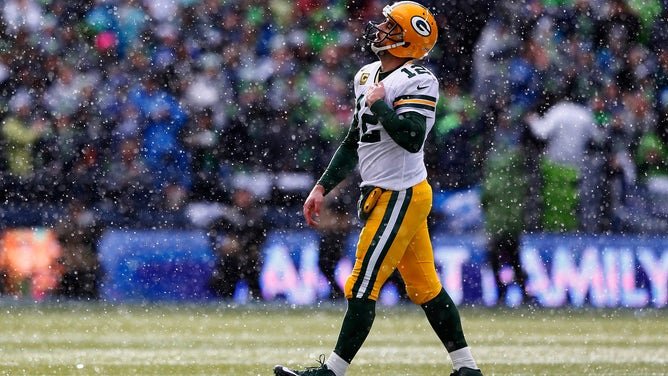
Rain significantly impacts NFL games by making the field slick, reducing player traction, and affecting the trajectory and grip of the football.
Have you ever wondered how weather conditions impact the play on the field? Specifically, how does rain affect nfl games? It’s not just about players getting wet; the change in conditions alters the entire dynamic of a match.
A wet field makes it harder for players to change directions quickly. This affects the speed and agility that fans are used to seeing. Also, the ball is more difficult to handle, leading to fumbles and missed passes.

How Does Rain Affect NFL Games?
Rain in an NFL game isn’t just a little sprinkle; it can totally change how the game is played! It impacts everything from how players run and catch the ball to the overall strategy teams use. Think of it like this: playing football on a sunny day is like driving a car on a smooth road, while playing in the rain is like driving on an icy road. Let’s dive deep into how rain messes with America’s favorite sport.
The Slippery Situation: How Rain Impacts Player Movement
When rain starts pouring down, the first thing you’ll notice is the field turning slick. Grass gets muddy, and even artificial turf can become slippery. This makes it way harder for players to do what they normally do. Let’s break it down:
Running the Ball
Running backs, who normally rely on quick cuts and changes in direction, find their footing greatly compromised in the rain. Imagine trying to sprint and suddenly the ground feels like a giant slip-n-slide! This makes them less able to generate power and can lead to more fumbles. They have to be more cautious, making them slower and easier to tackle.
Changing Direction
Quick turns and sharp angles? Much harder in the wet! Players are prone to slipping when trying to change direction quickly. This means that even a small move can lead to a stumble, taking away the explosiveness in their moves. Defenders also struggle to keep their footing which can lead to missed tackles.
Player Speed
Overall, players move slower. It takes more effort to gain speed on a wet field, and it’s hard to maintain top speed when you’re constantly worried about slipping. The speed and agility you normally see take a noticeable hit when the rain comes.
The Ball’s Behavior: How Rain Affects Throwing and Catching
It’s not just the field that changes; the football itself behaves differently in the rain. This significantly changes the passing game:
Grip Issues
Quarterbacks have a harder time gripping the football when it gets wet. Even with gloves, the ball can feel like a bar of soap, which directly impacts their ability to throw the ball accurately. Wet balls can easily slip out of their hand and cause a throw to be too short, too high, or just plain inaccurate. A missed grip can lead to a fumble.
Throwing Distance and Accuracy
Because of the grip issues, quarterbacks often can’t throw the ball as far or as accurately in the rain. The ball can wobble in the air, and its trajectory can be unpredictable. Longer throws, which rely on a solid grip and a powerful arm, become more of a gamble. Instead, they might have to throw shorter, safer passes.
Catching Challenges
Wide receivers and other players catching the ball have an equally hard time. A wet ball is tougher to hold onto. The ball can slip through fingers or get knocked loose more easily. Receivers often have to make diving catches or battle through the elements for each reception, and that’s not always easy or successful. The risk of drops increases quite a bit in wet conditions.
Game Strategy Changes: How Teams Adapt to the Rain
Rain doesn’t just affect individual players; it dramatically changes the overall game strategy. Teams have to adjust to the conditions:
Focusing on the Run Game
In rainy games, teams tend to favor the running game over the passing game. Running the ball is more reliable when the weather is bad because it doesn’t depend on the quarterback’s grip or the receiver’s ability to catch the ball. This means you’ll see more rushing plays, often with power running backs who can battle through the mud. It’s less risky than passing in the rain.
Shorter, Safer Passing Plays
When teams do decide to pass, they typically opt for shorter passes with higher completion rates, rather than attempting long bombs that can be easily mishandled. Think quick slants and short throws over the middle. This helps them maintain possession of the ball and avoid costly turnovers.
Defensive Strategies
Defenses also adapt to the rain. They might focus more on tackling and stopping the run. They may also look to capitalize on the increased risk of turnovers, meaning more focus on stripping the ball away from runners and pass catchers. They need to play a little tougher and more physically in the rain.
The Importance of Special Teams
Special teams, including punters and kickers, also face challenges. A wet ball is harder to kick accurately. Rain can reduce the distance of a punt and a field goal. Kickers are also susceptible to slipping when planting their kicking foot which can impact their kicking. The importance of accuracy during special teams plays becomes even more important when the ball is wet.
Weather Conditions and the Type of Rain
Not all rain is created equal. The type of rain can have different impacts on the game:
Light Drizzle
A light drizzle might not seem like much, but it can still cause the field to get a bit slippery, making it slightly harder for players to maintain their grip and balance. It’s enough to require slightly more caution.
Heavy Downpour
A heavy downpour, or the kind of rain that leads to puddles on the field, is a whole different ball game. The field becomes a mud pit. It becomes hard to see at times, creating a significant challenge for players who are already dealing with slippery conditions. Players and teams have to adjust significantly.
Wind and Rain
When rain is accompanied by wind, it adds another layer of complexity. The wind can affect how the ball travels through the air, making it even harder for quarterbacks and receivers to connect. Windy rain can also make it much harder for kickers. It can be unpredictable and very challenging for both the throwing and kicking game.
Examples of Memorable Rain Games in NFL History
Over the years, there have been numerous memorable NFL games played in the rain. These games often become the stuff of legends, showcasing how weather can impact the game:
- The “Tuck Rule” Game (2002 AFC Divisional Playoffs): While it wasn’t only rain, the snowy and wet conditions played a factor. In this famous game, the New England Patriots played the Oakland Raiders during a snowstorm. The conditions were horrible, with snow and rain coming down all day. There were lots of mistakes on the field, and the weather was a huge factor in the game’s outcome.
- Numerous Games at Lambeau Field: Lambeau Field, home of the Green Bay Packers, has seen many games impacted by rain and snow. The “frozen tundra” is known to get a soaking sometimes too, adding another layer to the already intense home field advantage for the Packers. These games show us how rain can make even the most skilled players struggle.
- Any game that involves a lot of turnovers: Any game where the field becomes incredibly slippery and difficult to catch the ball will show the impact of rain. The best example is when there are a lot of fumbles and interceptions throughout the game, and it can be a result of heavy rain.
Rain Gear and its Impact
Players and coaches aren’t totally helpless against the rain. They try to mitigate its effects by using some gear.
Gloves
Players on both offense and defense will wear special gloves designed to improve grip in wet conditions. These gloves are often made from a sticky material, and players often change them out during games in order to get a better grip during a game.
Towels
Players constantly use towels to dry their hands, and footballs in order to get a better grip during the game. Often you will see players with a towel tucked into their pants, so they can quickly wipe their hands and the ball before each play. Quarterbacks especially use them between snaps to dry their hands off.
Special Cleats
Players often wear cleats with different designs that are better suited for playing in the rain or mud. They will change to cleats that have more traction, which can help them from slipping on the wet field.
Impact on Fans and Spectators
Rain not only changes the game for the players but for the fans too:
Attendance
Bad weather can certainly deter fans from showing up at a game. Many fans would rather watch a game from the comfort of their home on a warm couch instead of sitting in the cold rain, and the impact can be seen in attendance at the games.
Viewing Experience
For those who do attend a game in the rain, the experience is quite different. Spectators may struggle to see the action clearly because of rain and can be cold and uncomfortable for fans who do not come prepared. The rain can make a usually great experience a bit miserable.
TV Viewership
Rainy games can sometimes be more unpredictable and exciting because they are often less polished, and may have more turnovers. This can make them interesting to watch for some fans, adding another level of drama.
Rain Game Summary
To sum it up, rain can turn a regular football game into a completely different contest. It makes the field slippery, the ball harder to grip, and it changes how teams plan their offense and defense. Rainy games favor the running game, shorter, safer passing plays, and more aggressive defenses. The type of rain, whether it’s a drizzle or a downpour, can impact things differently. Players use rain gear to help with grip and traction, but bad weather often leads to more turnovers and a less clean game overall. Even for fans, the experience is different, either deterring them from attending or providing them with a unique and unpredictable game to watch.
So, the next time you see an NFL game played in the rain, remember that it’s not just about the players; it’s also about the elements, and how they add an unpredictable challenge to America’s most popular game.
The Devastating Impact of Weather on NFL Games
Final Thoughts
Rain significantly impacts NFL games, affecting passing and catching. Wet conditions reduce grip on the ball, leading to fumbles and dropped passes. Running plays often become the preferred method.
Players adjust their strategy based on the weather. Teams with strong running games usually perform better in rain. The passing game takes a backseat due to difficulty in throws. how does rain affect nfl games is a key factor.
The field condition also degrades during heavy rain. Muddy or slippery surfaces hinder speed and agility. This affects traction for both offensive and defensive players.

